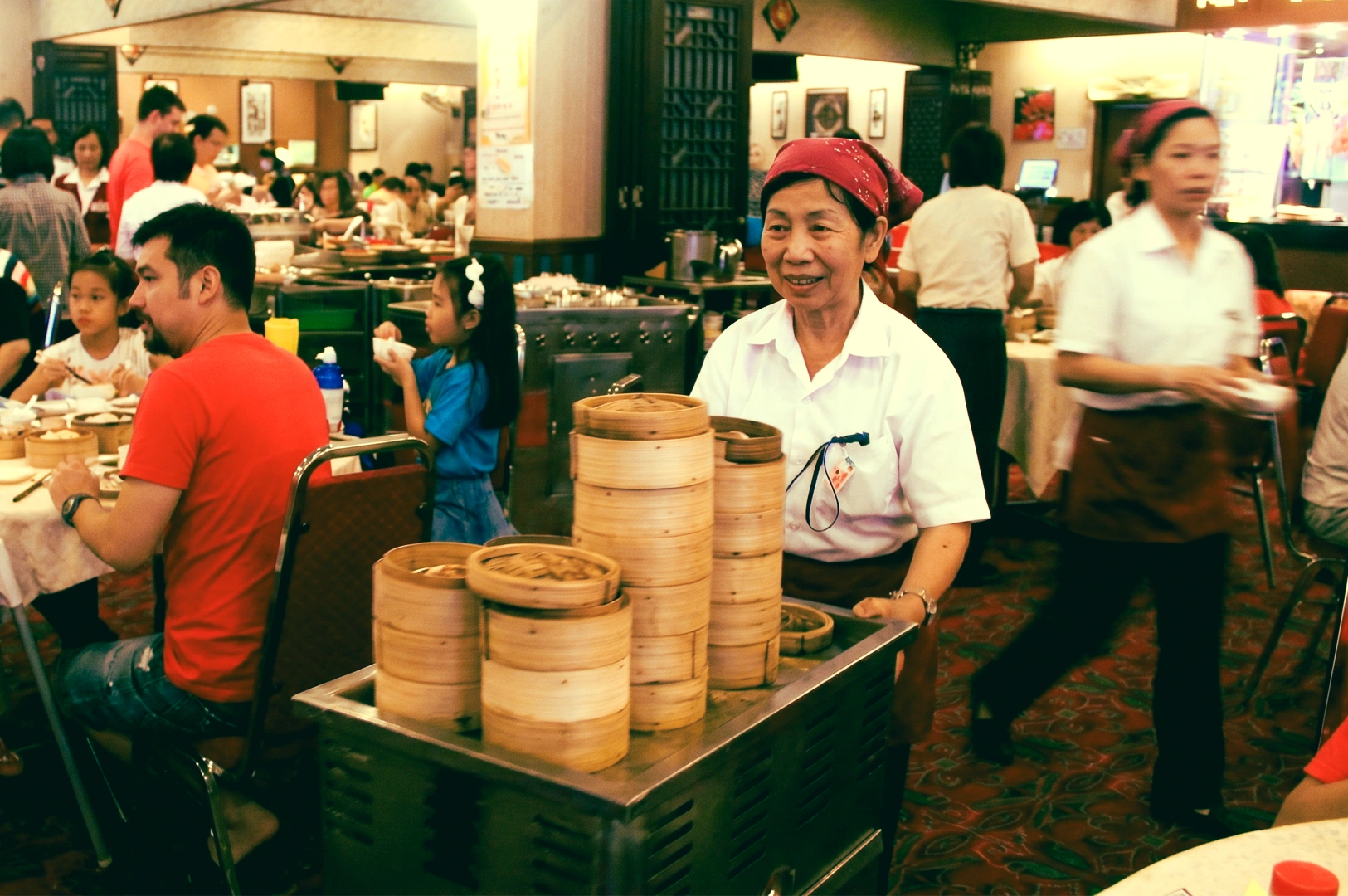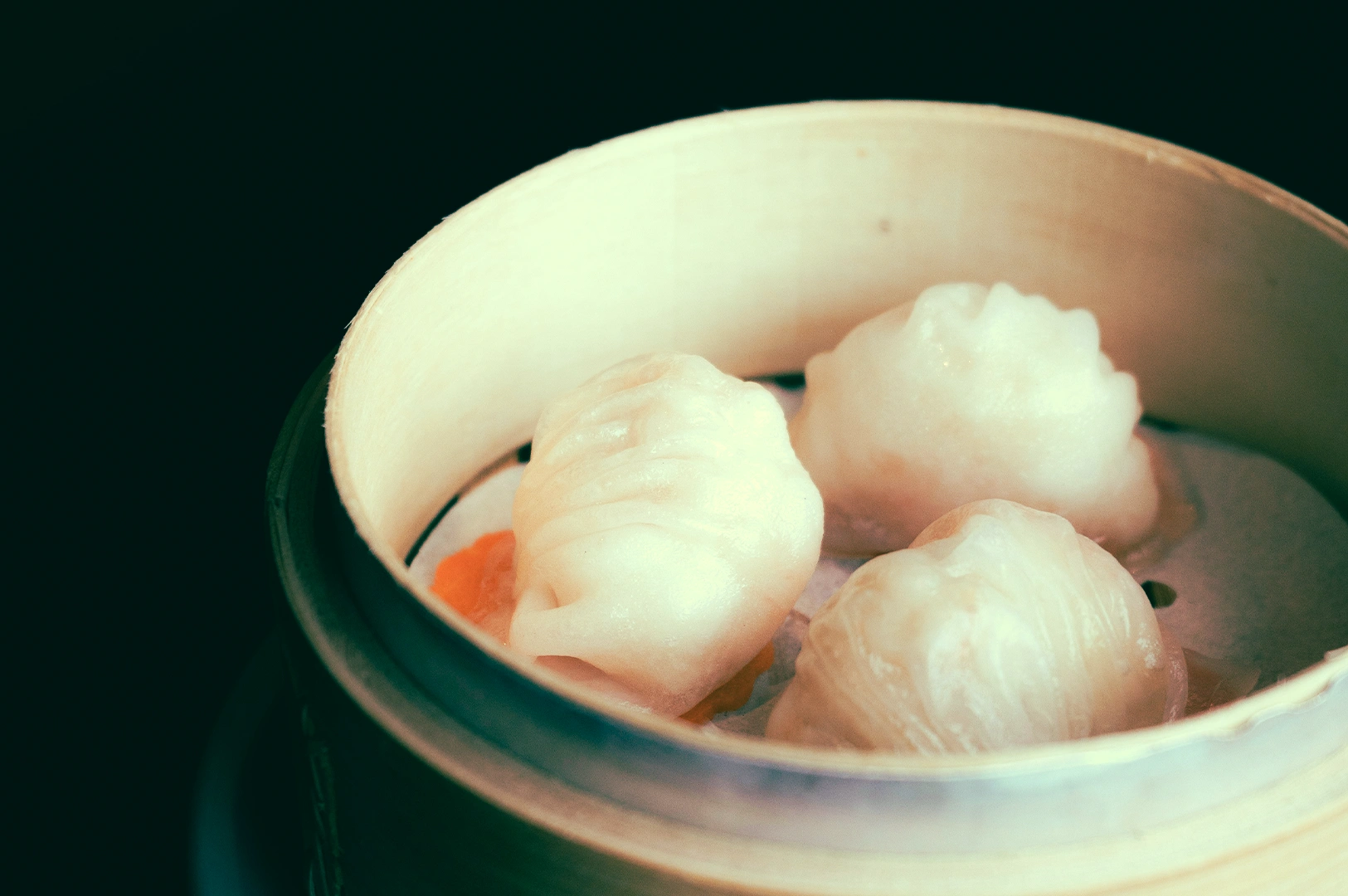
The restaurant was loud in the way yum cha restaurants always are. Cups knocked softly against saucers. Steam drifted out from bamboo baskets as servers moved quickly between crowded tables. Somewhere behind us, a child laughed loudly enough to turn half the room for a second before the rhythm of conversation settled back into place.
And yet, around our table, something felt strangely calm.
It took me a while to notice what it was.
No one had reached for their phone.
Not while the tea was being poured. Not while deciding whether to order another basket of siew mai. Not even during the small pauses between dishes, those quiet stretches where people usually drift back toward glowing screens out of habit more than necessity.
Instead, everyone stayed with the table.
Someone rotated the lazy Susan slowly so the last piece of turnip cake stopped in front of an aunt who had been eyeing it earlier. Another person lifted the teapot automatically when the cups began emptying. Conversations overlapped naturally, sometimes interrupted by the arrival of another bamboo steamer, only to begin again without urgency.
Yum cha has a way of stretching time gently. The meal never arrives all at once, so there is no pressure to rush toward an ending. Tea slows everything further. You sip, pause, wait for the next pour of hot water. The rhythm leaves room for stories that wander without direction and silences that never feel uncomfortable.
I think that is why the phones stayed untouched.
There was simply nothing elsewhere demanding our attention more than what was already happening at the table.
For a few hours, the world narrowed to warm porcelain cups, drifting steam, and the familiar voices sitting across from us. The meal felt full long before the table actually was.
And when the final pot of tea arrived, no one seemed particularly eager to leave.