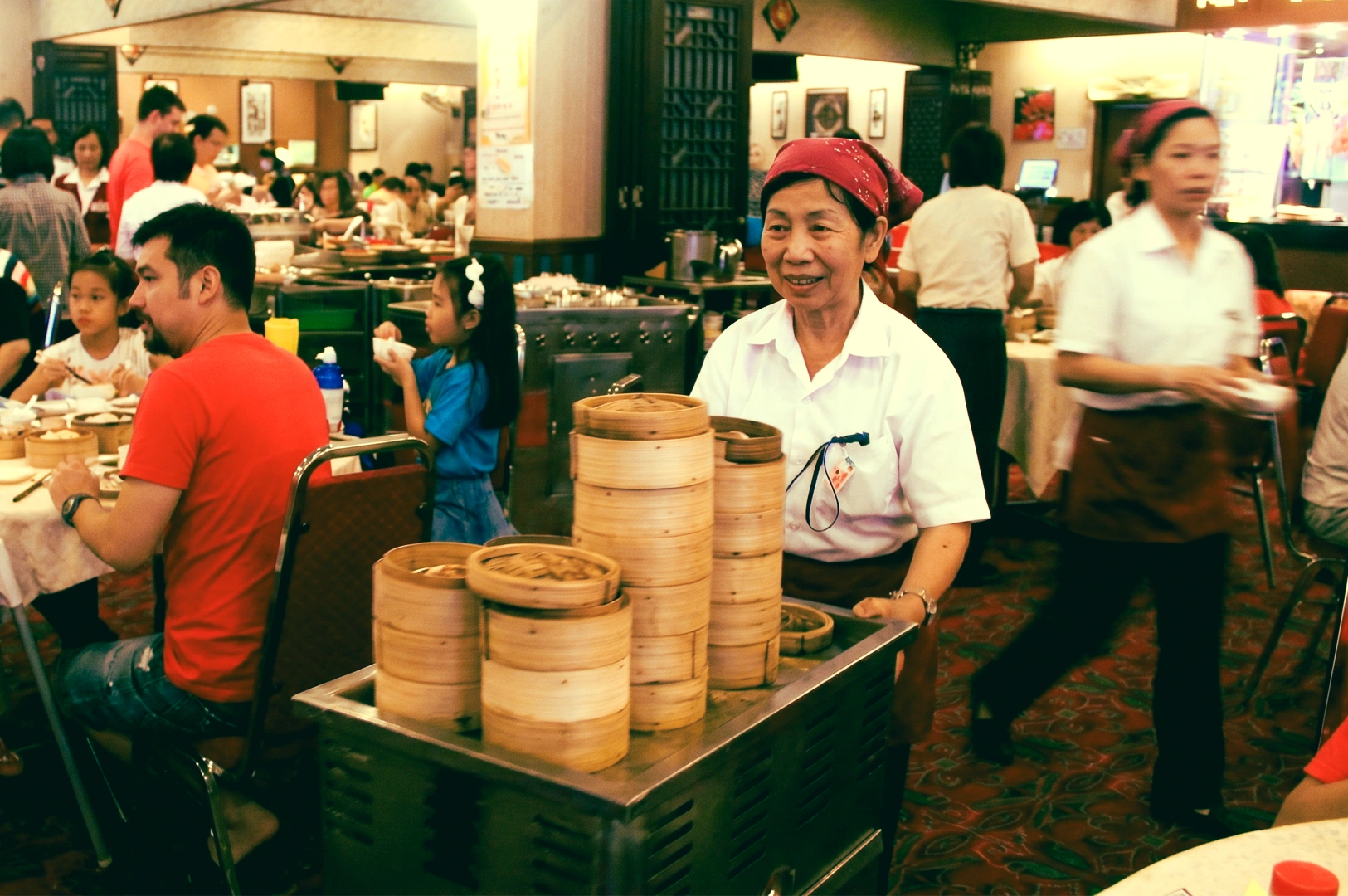
I started noticing the shift a few years ago during a casual lunch at a dim sum restaurant near Somerset. The queue outside was long, but what stood out more was the mix of diners waiting together. Families with older relatives. Office groups with different dietary requirements. Tourists comparing bamboo steamers on the table. Nobody seemed to be there specifically because the restaurant was halal-certified. They were there because the food worked.
That feels important.
For a long time, halal Cantonese dining in Singapore sat in a strange category. Restaurants either leaned heavily into novelty or struggled to convince diners that chicken-based dim sum could genuinely compete with traditional pork versions. A lot of places felt like substitutes rather than serious Cantonese kitchens.
That is starting to change.
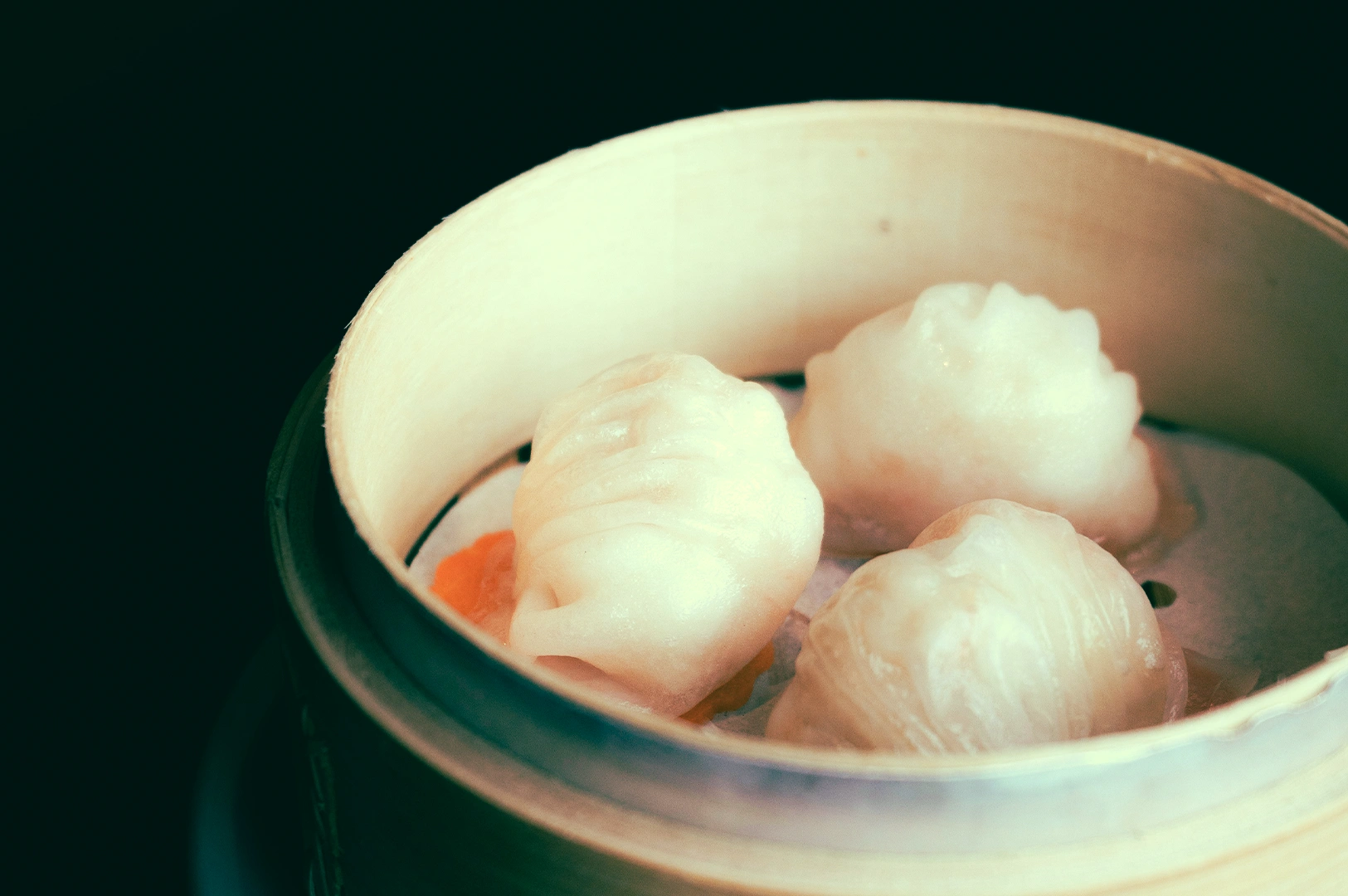
Restaurants like The Dim Sum Place have quietly proven that halal Cantonese food does not need to market itself as an alternative anymore. If the har gow skin holds properly, the siew mai stays juicy, and the kitchen can manage steady service during peak lunch traffic, most diners simply care that the meal is satisfying and reliable.
Convenience also plays a major role. Orchard Road, Bugis, and other high-traffic dining areas are now filled with groups looking for places that work for everyone without forcing complicated conversations around dietary restrictions. A halal-certified Cantonese restaurant solves that problem immediately. It allows larger groups to eat together without compromising too heavily on cuisine or atmosphere.
If you are curious about how different halal and traditional dim sum restaurants compare across Singapore, you can read more here. The landscape has expanded quickly over the last few years, and the gap between casual convenience and proper Cantonese execution is becoming much narrower than before.
I also think Singapore diners have become more practical overall. People are less interested in chasing overly formal dining experiences every weekend. They want restaurants that are accessible, efficient, and consistent enough to revisit regularly. Halal Cantonese dining fits naturally into that shift because it sits comfortably between casual mall dining and full-scale banquet restaurants.
Not every halal dim sum restaurant gets the execution right yet. Some still struggle with delicate pastry work or overly broad menus. But the demand is clearly there now, and more importantly, diners are beginning to judge these restaurants by the same standards they apply to any other Cantonese spot.
That is probably the biggest change of all.