Late-night dim sum does not operate like traditional yum cha.
By the time most heritage teahouses have finished washing their final bamboo steamers for the afternoon, another category of dim sum service is only beginning to accelerate. Across parts of Singapore, particularly along Jalan Besar and Geylang, brightly lit dining rooms continue filling well past midnight. The atmosphere changes completely. Tea becomes secondary. The pacing sharpens. Tables turn faster.
Structurally, late-night dim sum evolved to solve a different problem from traditional Cantonese brunch dining.
Classic yum cha was built around extended family meals, slower tea service, and daytime social rituals. Late-night dim sum emerged instead from urban convenience. Shift workers, nightlife crowds, hospitality staff, and post-supper diners required kitchens that could operate deep into the night while still delivering familiar Cantonese staples quickly and consistently.
This shift changed the food itself.
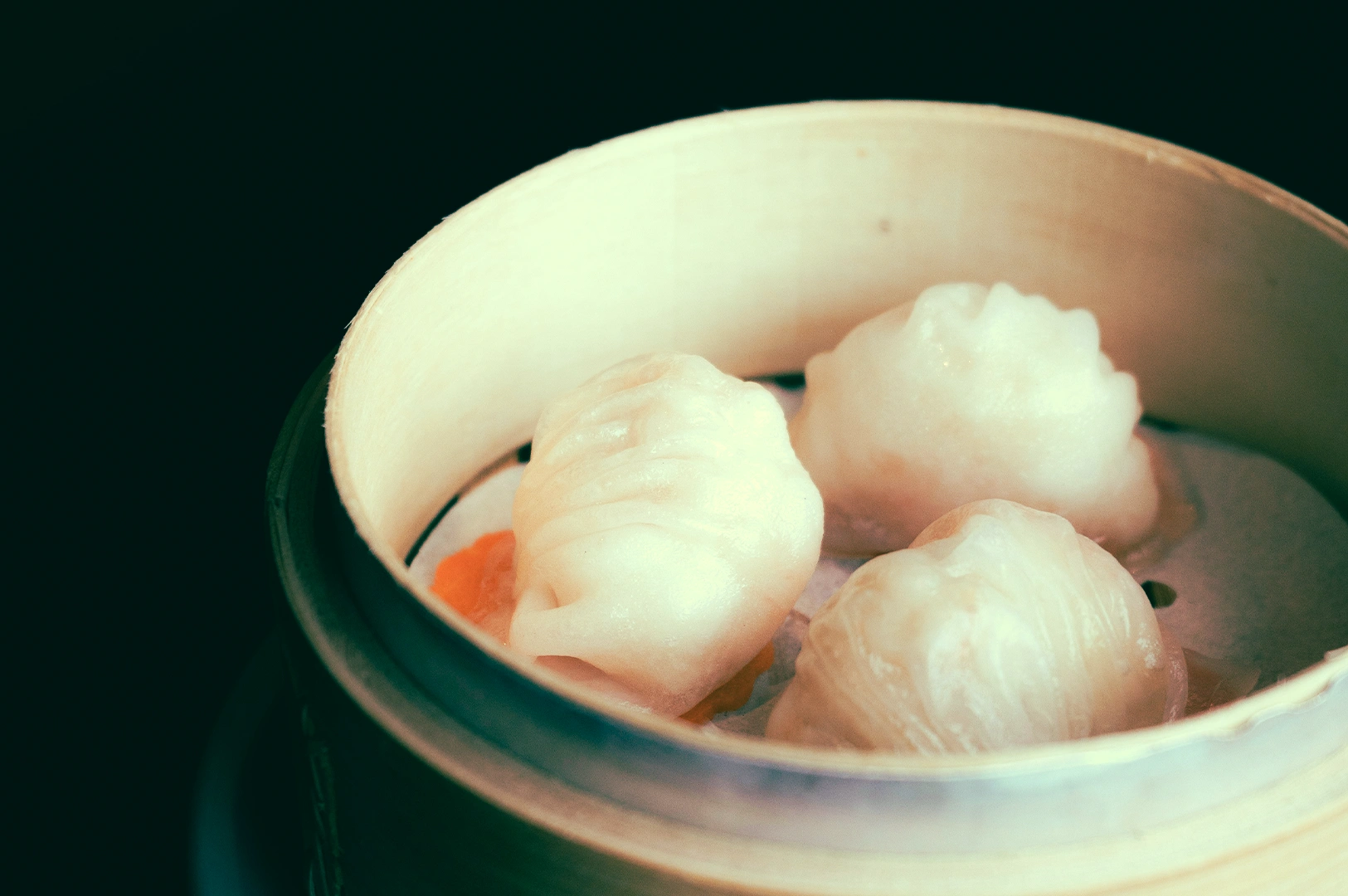
Restaurants operating after midnight often prioritize dishes that withstand volume and holding pressure more effectively. Fried items become increasingly prominent. Spring rolls, carrot cake, and yam puffs tolerate extended service conditions better than delicate har gow wrappers or highly temperature-sensitive rice noodle rolls. Kitchens adapt operationally, simplifying workflows to maintain speed during unconventional hours.
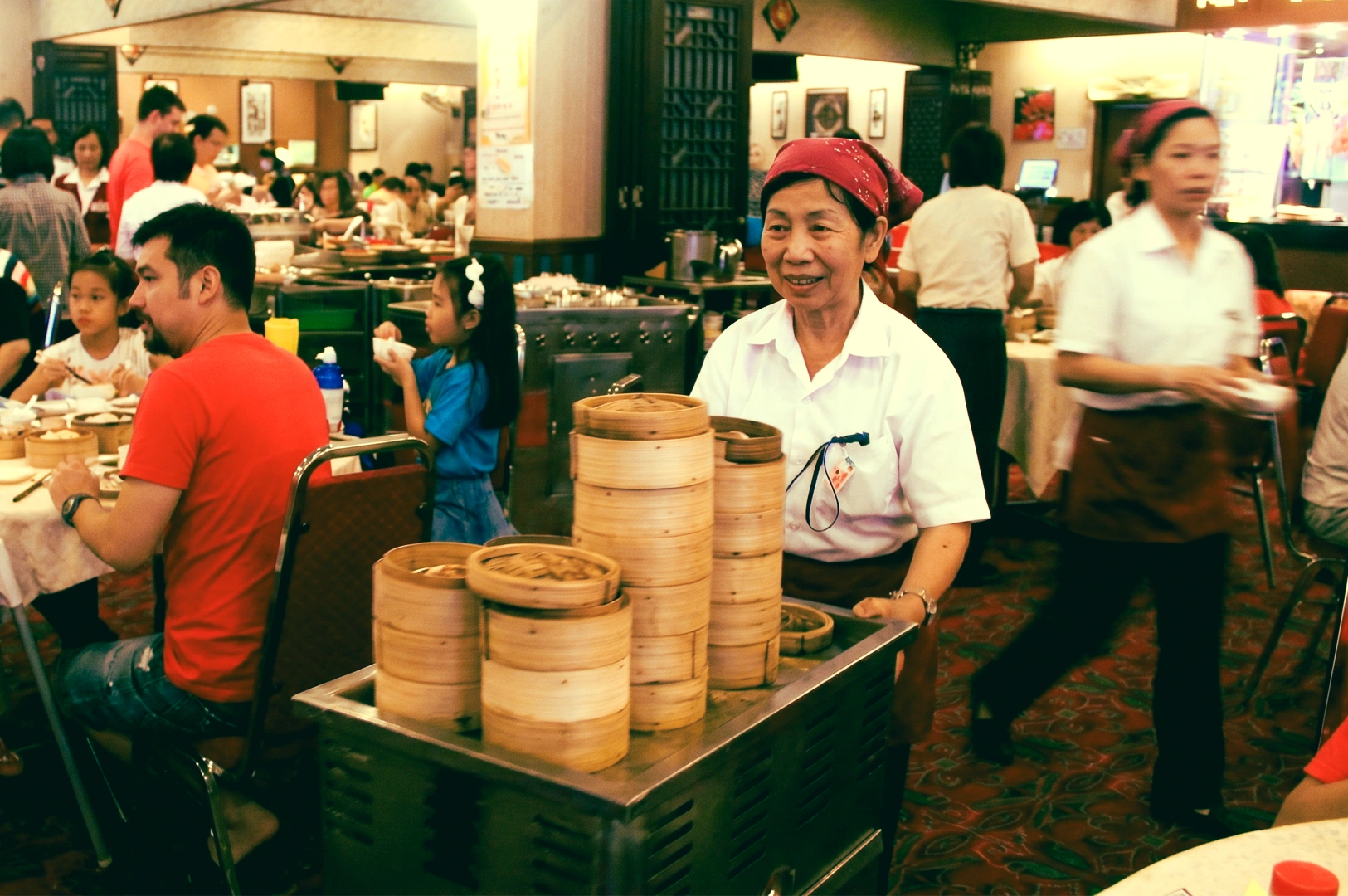
The dining rooms reflect this structural change. Conversations are louder. Tables are smaller and more transient. Groups arrive unpredictably rather than through coordinated reservations. Service becomes less ceremonial and more functional.
Even the pacing of ordering changes. Traditional yum cha unfolds gradually through rounds of tea and shared baskets. Late-night dim sum tends to condense into shorter, denser meals focused on immediate satisfaction rather than prolonged dining rhythm.
Yet despite these operational differences, the appeal remains closely tied to familiarity. The steam, the bamboo baskets, the sharp scent of vinegar and chili oil — the framework of dim sum remains intact, even as the surrounding context evolves.
This is why late-night dim sum feels distinct without feeling disconnected from the broader Cantonese dining tradition. It represents adaptation rather than replacement.
In Singapore, where dining habits continuously shift around transport schedules, work culture, and nightlife patterns, late-night dim sum quietly developed into its own category by responding to a very practical demand: providing warm, shareable food long after most kitchens have closed.