Adapting dim sum for modern palates is a fascinating journey that blends tradition with innovation, reflecting the evolving tastes of today’s diners.
The traditional dim sum menu has long relied on culinary staples like pork, shrimp, wheat starch, and precise steaming techniques.
However, shifting consumer preferences have prompted teahouses to reimagine their offerings while maintaining the essence of heritage cooking.
One noticeable trend is the introduction of premium flavor profiles, where high-value ingredients are used to elevate classic dim sum staples.
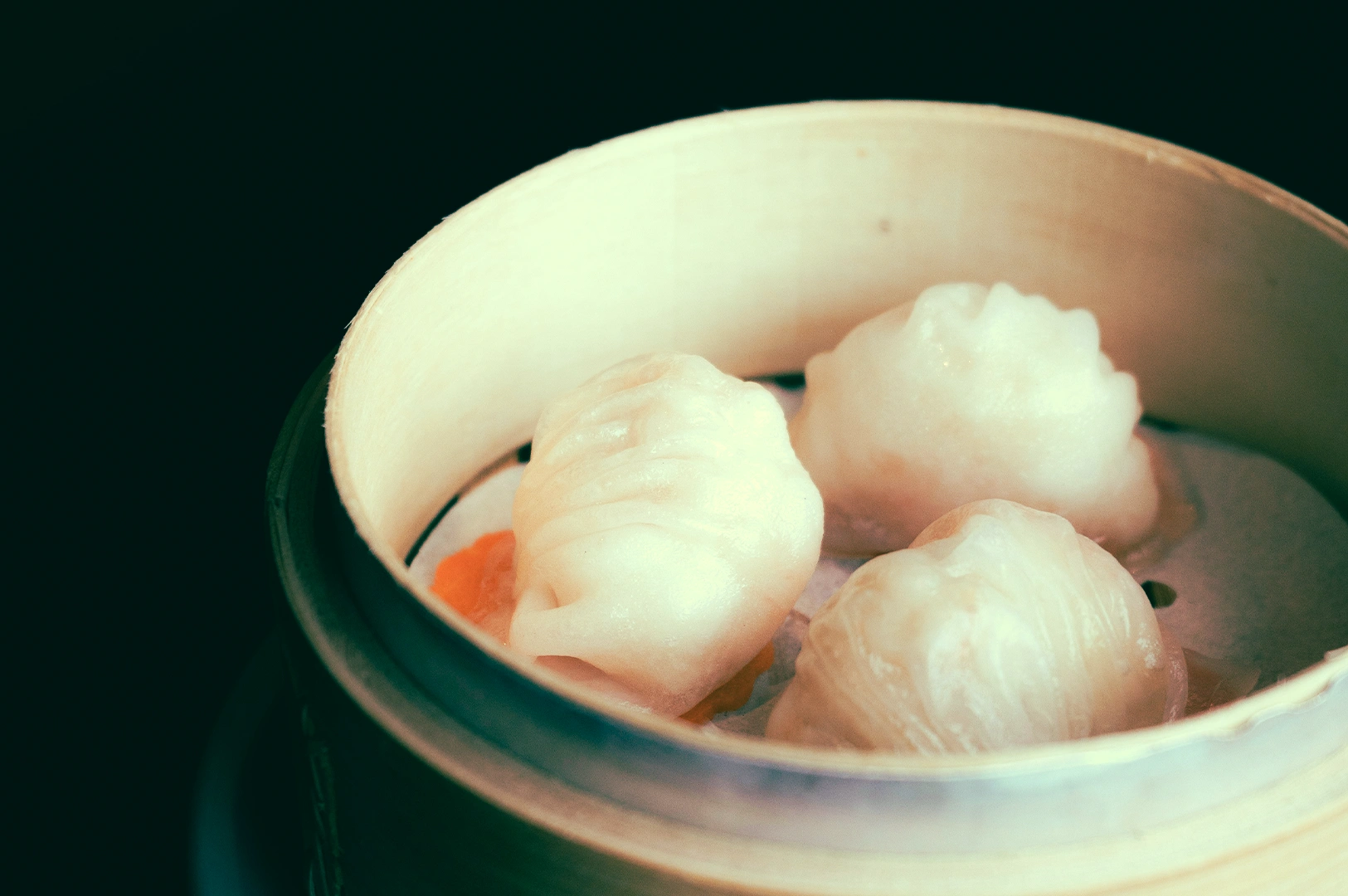
Black truffle, caviar, and foie gras are no longer rare sights on modern dim sum menus, catering to diners who crave an upgraded, luxurious experience. For instance, chefs are now infusing truffle oil or incorporating shaved black truffles into traditional har gow or wild mushroom dumplings, introducing a rich, earthy aroma that dramatically transforms the typically delicate flavor profile.
Similarly, siew mai is often adorned with caviar instead of the standard crab roe or green peas, adding a burst of salinity and an air of sophistication.
In parallel, the rising demand for vegetarian and vegan options has pushed kitchens to rethink foundational recipes. Traditional dim sum relies heavily on pork fat for moisture, flavor, and texture, making plant-based adaptations a technical challenge. Kitchens have started incorporating specialized plant-based proteins to replicate the springy texture of classic pork dumplings or the rich filling of barbecue buns.
For less processed options, chefs turn to creative blends of ingredients like king oyster mushrooms, taro, and water chestnuts to mimic the structural bite of meat.
Achieving the right texture in these dishes often requires meticulous adjustments to starch ratios, hydration levels, and mixing techniques to ensure the dumplings maintain their signature bounce and chew.
Balancing innovation with execution is key to modernizing dim sum offerings. Introducing plant-based options, for instance, demands rigorous cross-contamination protocols in shared equipment like steamer baskets and fryers, while stocking perishable premium ingredients such as truffles and caviar increases both inventory costs and quality control requirements.
Ultimately, no matter how innovative the ingredients or luxurious the garnishes, the success of these new creations hinges on maintaining the technical benchmarks of traditional dim sum preparation.
The wrappers must have the correct thickness, translucency, and structural integrity, ensuring they hold up through the steaming process and deliver the perfect bite.
By expanding ingredient lists without compromising on these core techniques, teahouses can successfully adapt dim sum to meet the needs of modern palates while preserving the artistry of this cherished culinary tradition.