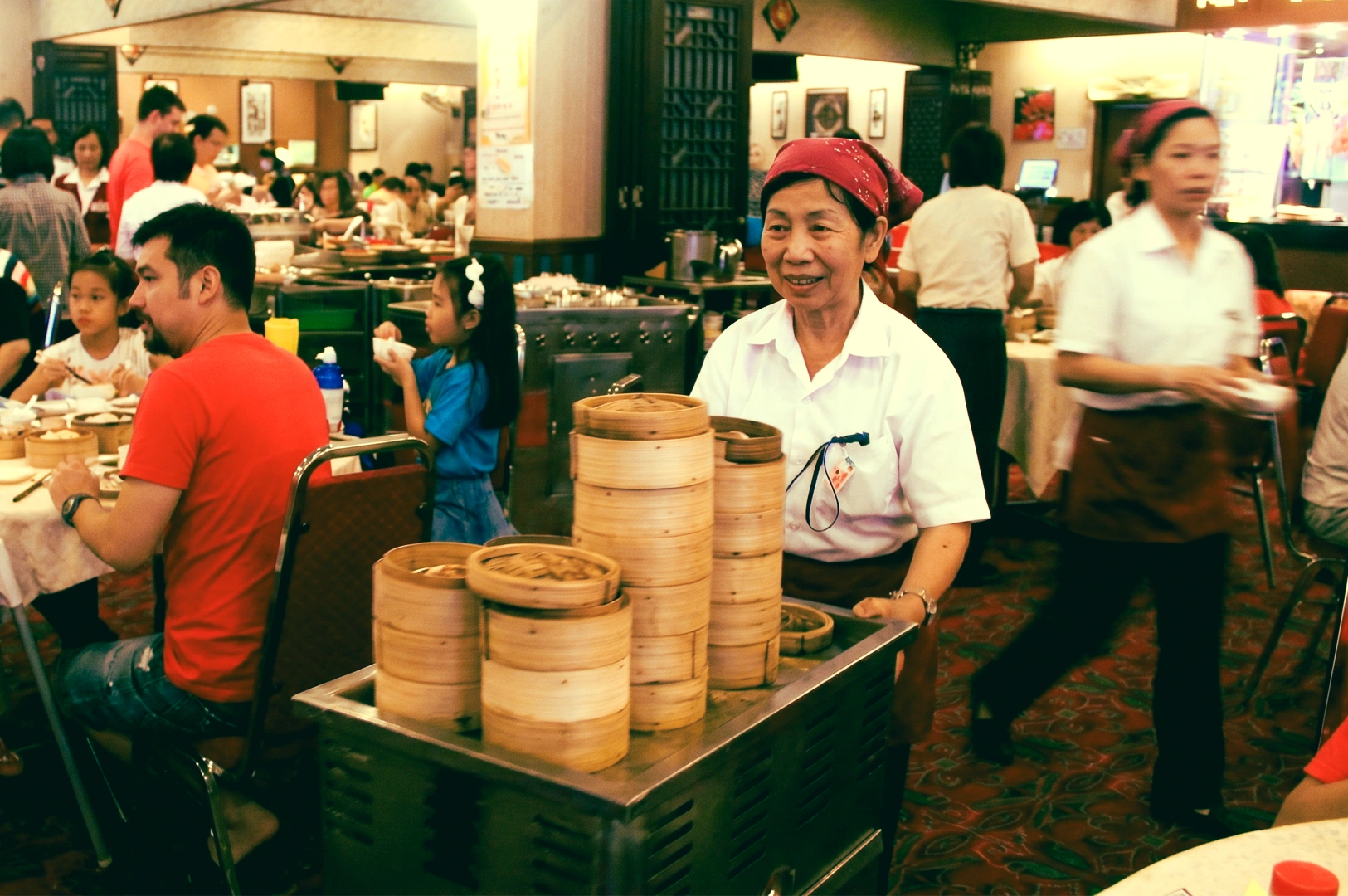
I’ve spent countless hours at dim sum tables, torn between the charm of pushcarts and the precision of à la carte service. There’s something exciting about the clang of wheels signaling a pushcart nearby, stacked with steaming pork buns and bamboo baskets ready to grab. It feels special to point and choose in the moment. But some of my memories also include dumplings with soft skins or oversteamed fillings, likely from sitting too long on the cart.
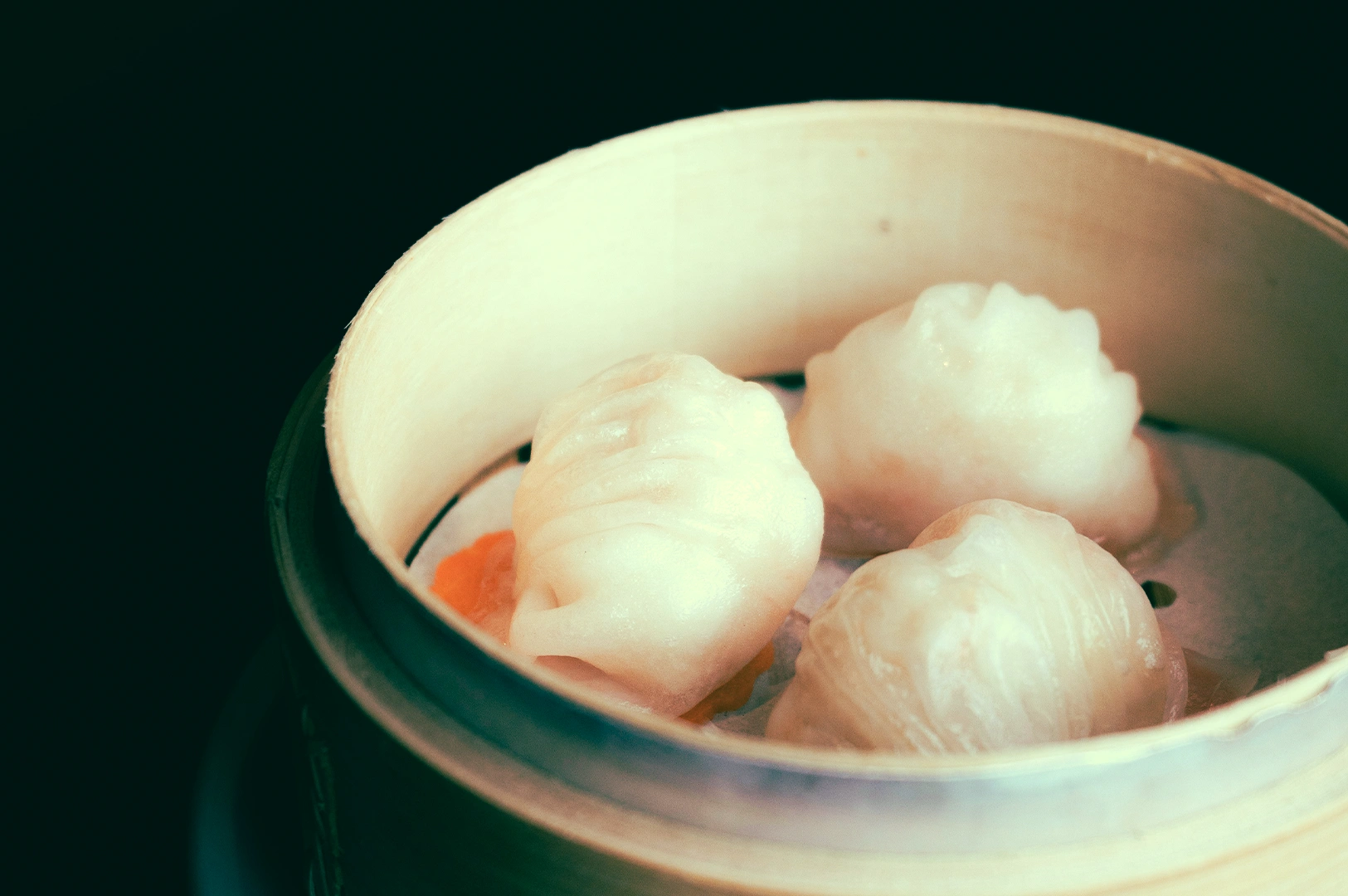
À la carte dim sum offers a different experience. The first time I ordered from a chit at a sleek modern spot, I was struck by how the dishes arrived perfectly timed. The har gow was hot and springy, the fried spring rolls crisp and fresh—unlike the limp versions I’ve had from pushcarts. You lose some of the nostalgia and energy, but the quality and freshness are undeniable.
Both formats have distinct moods. Pushcarts bring bustling energy, surprises, and spontaneity. À la carte allows for precision, conversation, and intentional pacing. When I crave bright flavors and careful preparation, à la carte is the clear winner. Yet there’s still a joy in the lively pushcart atmosphere, where meals feel like shared discoveries. Depending on my mood, I enjoy both for different reasons.
The Traditional Pushcart Format
The pushcart format is exhilarating. I’ll never forget running after a cart packed with siu mai just before another table claimed them. The sight and smell of stacked baskets is part of the fun. Grabbing a hot pork bun or a tofu skin roll right off the cart feels alive and spontaneous.
But it comes with downsides. Dumplings often become too soft, and spring rolls can lose their crunch after sitting in the cart too long. Fried items especially suffer from trapped steam, which dulls their texture.
If you’re lucky, you might catch a fresh batch straight from the kitchen, but that’s not always the case.
- Advantages: Immediate gratification and visual selection. Diners can inspect dishes before ordering. Pushcarts also preserve the lively, nostalgic atmosphere of traditional teahouses.
- Limitations: Food quality can degrade over time in heated carts. Dumpling wrappers absorb moisture, turning soggy, and fried items lose their crispness quickly.
The Modern À La Carte Model
À la carte dining feels more deliberate from the start. There’s no chasing carts, only quiet anticipation as you mark your selections. Dishes arrive freshly made, served moments after leaving the steamer or fryer.
The difference is clear. Har gow arrives hot and plump, with translucent, perfectly chewy skins. Siew mai stays juicy, and fried items like spring rolls or taro puffs have a crispness that signals their freshness. The experience feels like a guided tasting, where every dish is served at its peak. While you miss the spontaneity of pushcarts, the improved quality makes up for it.
- Advantages: Optimal freshness and temperature control. Steamed items retain their structure, and fried items remain crispy and light. Each dish arrives as intended, ensuring the best flavors and textures.
- Limitations: It lacks the interactive element of pushcarts. There’s also a waiting period between ordering and receiving food, which changes the dynamics of the meal.
Which Format Delivers Better Quality?
If I’m being honest, à la carte consistently delivers better quality. Every dish is timed perfectly—dumplings are hot and bouncy, fried rolls snap with freshness, and the flavors shine. There’s no guessing when the next cart will come or dealing with soggy or oversteamed items. For meals focused on flavor and execution, à la carte wins every time.
However, pushcarts still hold cultural value. The energy and interactive nature of the experience cannot be replaced by a digital menu. If you prioritize food quality and precision, à la carte is the better option.
If you want a nostalgic, lively atmosphere, pushcarts are still worth the experience.