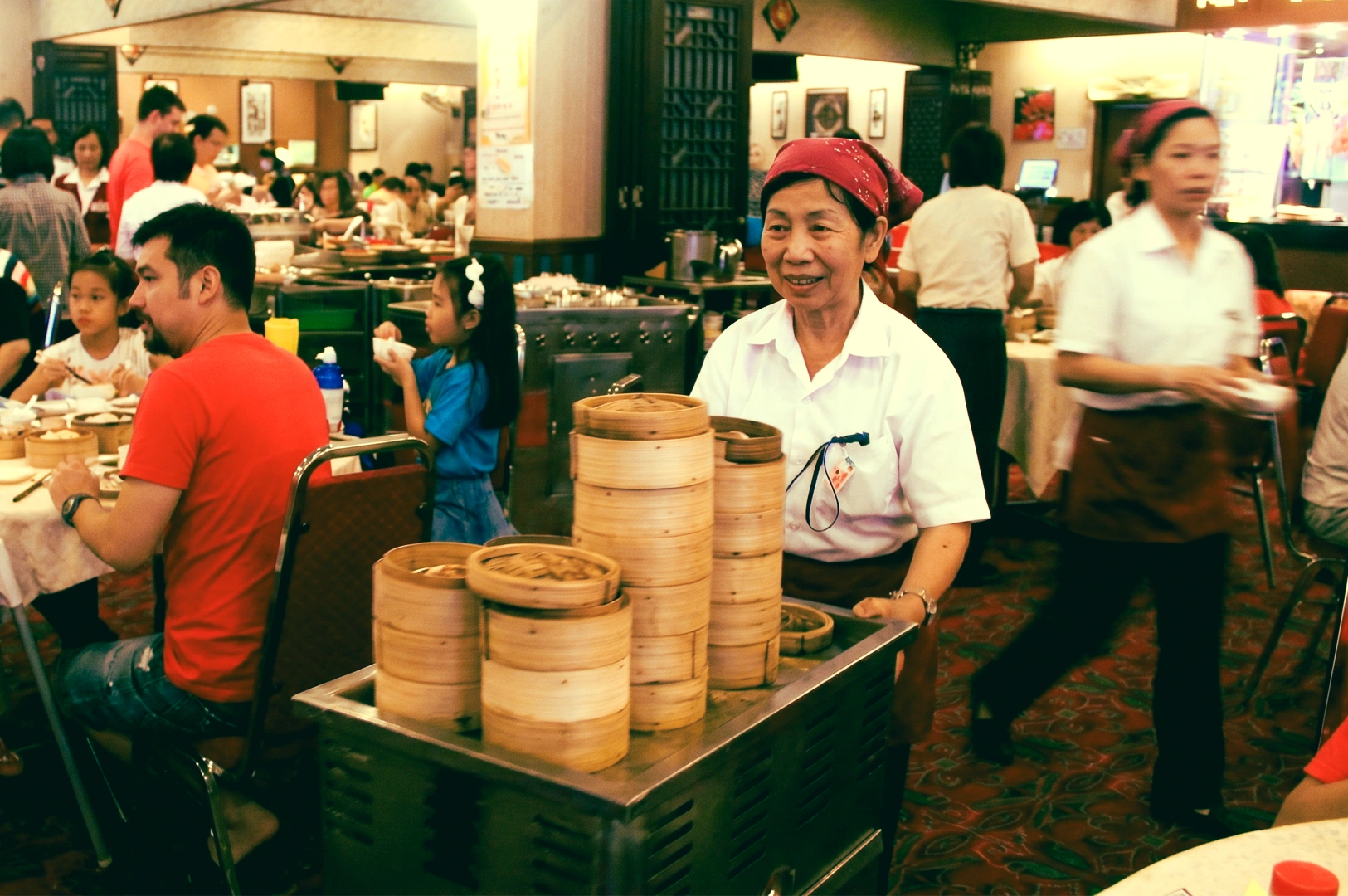
A loud, bustling dining room is the hallmark of a good dim sum restaurant. But there is a sharp line between high-energy efficiency and structural collapse. I recently visited a popular spot on a Sunday afternoon, and within twenty minutes, I knew the kitchen was completely overwhelmed.
Recognizing the signs of a struggling service saves you time, money, and frustration. Here is what I look for to determine if a kitchen has lost control.
The Temperature Disconnect
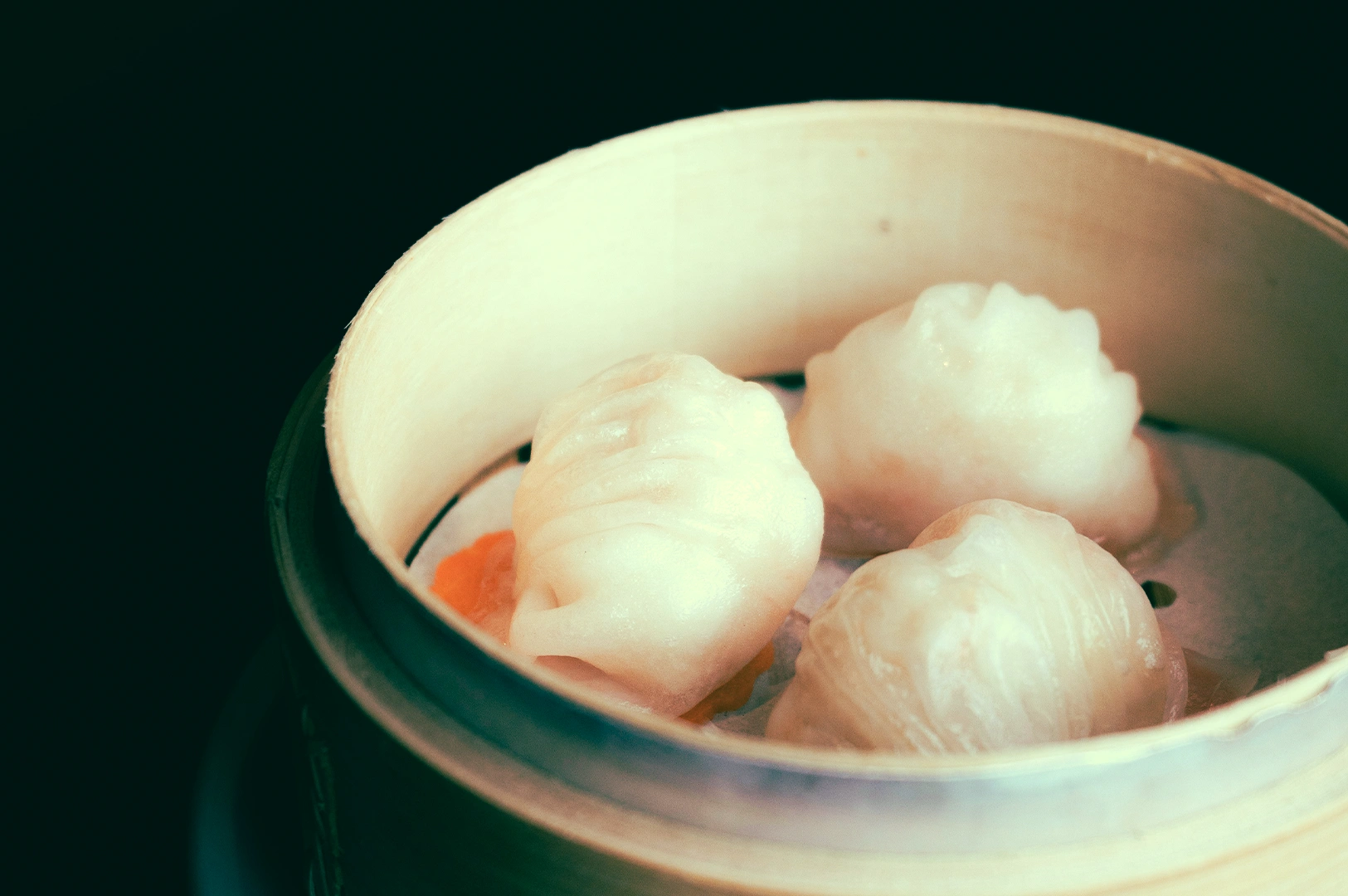
Dim sum relies on strict temperature management. During my recent visit, my table received a basket of har gow (shrimp dumplings) where the translucent wrappers were gummy and fused to the bamboo paper. A few minutes later, an order of deep-fried taro puffs arrived lukewarm and saturated in oil.
This is a classic indicator of a service bottleneck. The kitchen is cooking the food, but there are not enough runners to deliver it. The delicate steamed items overcook in their resting baskets, while the fried items die on the pass and absorb excess grease.
The Sequencing Breakdown
In a well-run service, dishes arrive in a relatively logical flow. Light steamed items generally appear first. If your table receives a massive plate of beef hor fun or dense barbecue pork buns before a single dumpling shows up, the kitchen is struggling.
I watched this happen to three tables next to me. When steam stations back up, chefs start pushing out bulk carbohydrates to placate hungry diners. It is a defensive move that signals the delicate preparation lines are failing.
Front-of-House Paralysis
Watch how the floor staff handle routine maintenance. If you tilt the lid of your teapot to signal for a refill and it sits ignored for ten minutes, the system is breaking down. When staff actively avoid eye contact and rush across the floor empty-handed, they are fighting fires behind the scenes.
How to Navigate the Chaos
If you spot these signs early in your meal, you must adjust your strategy immediately to salvage the experience.
- Cancel complex orders: Tell your server to cancel delicate items like rice noodle rolls or intricate baked pastries. The kitchen lacks the bandwidth to execute them well right now.
- Pivot to low-touch items: If you need more food, order chilled appetizers, roast meats, or simple blanched vegetables that require minimal prep time.
- Cut your losses: If you wait thirty minutes for core items and the quality is visibly poor, pay for what you ate and leave.
You cannot fix an overwhelmed kitchen. Recognize the signs early, adjust your ordering, and know when to walk away.