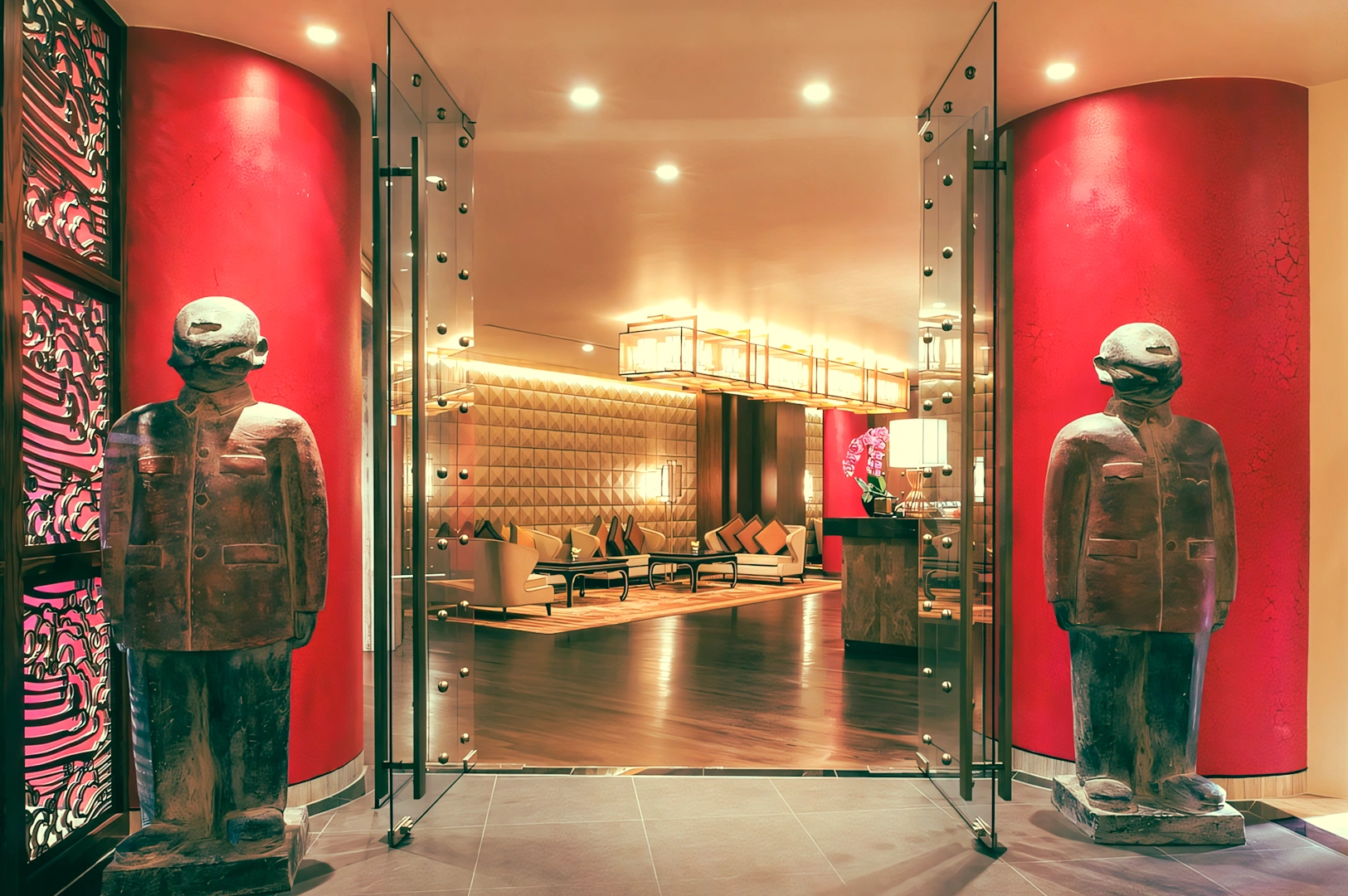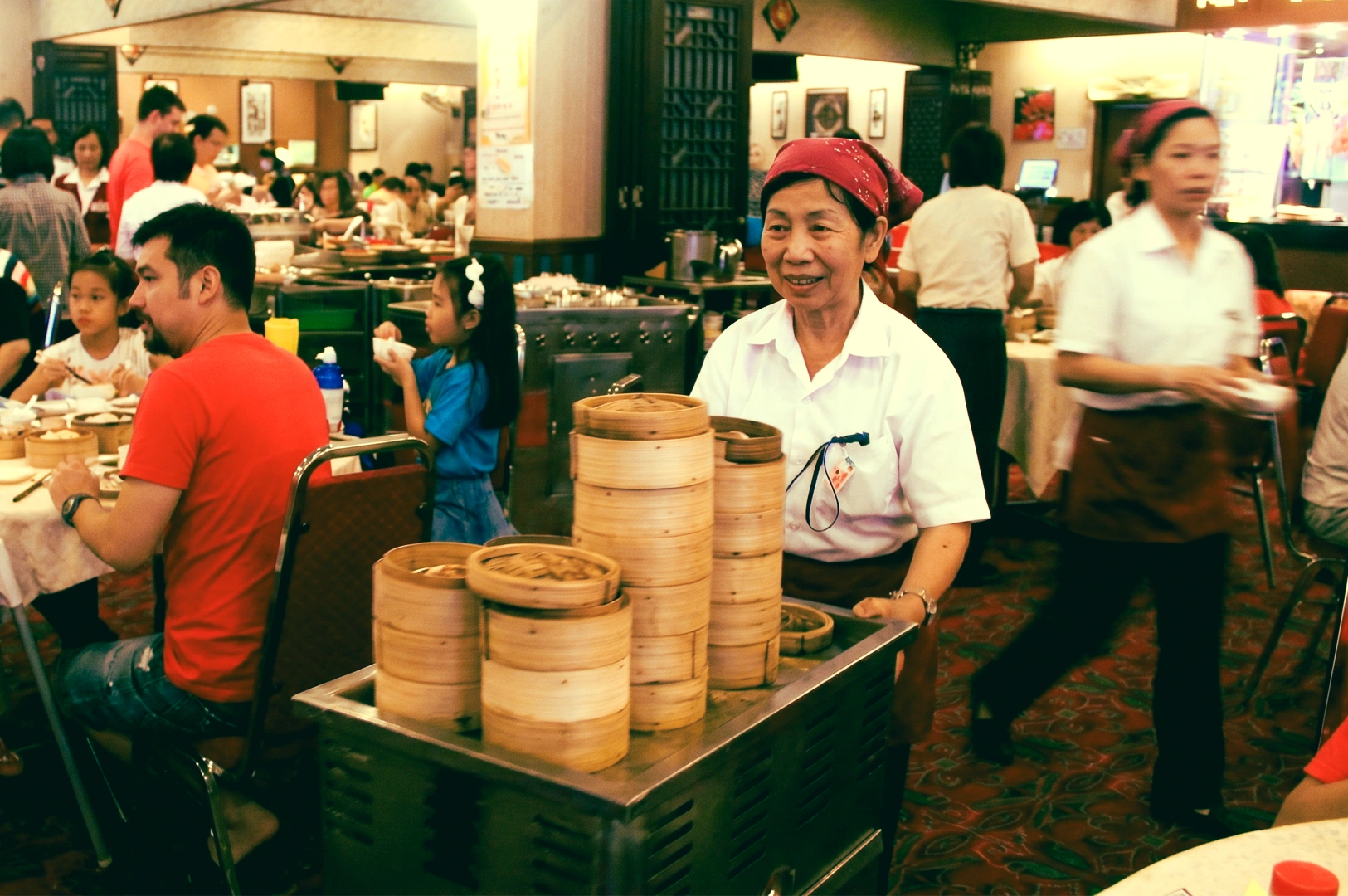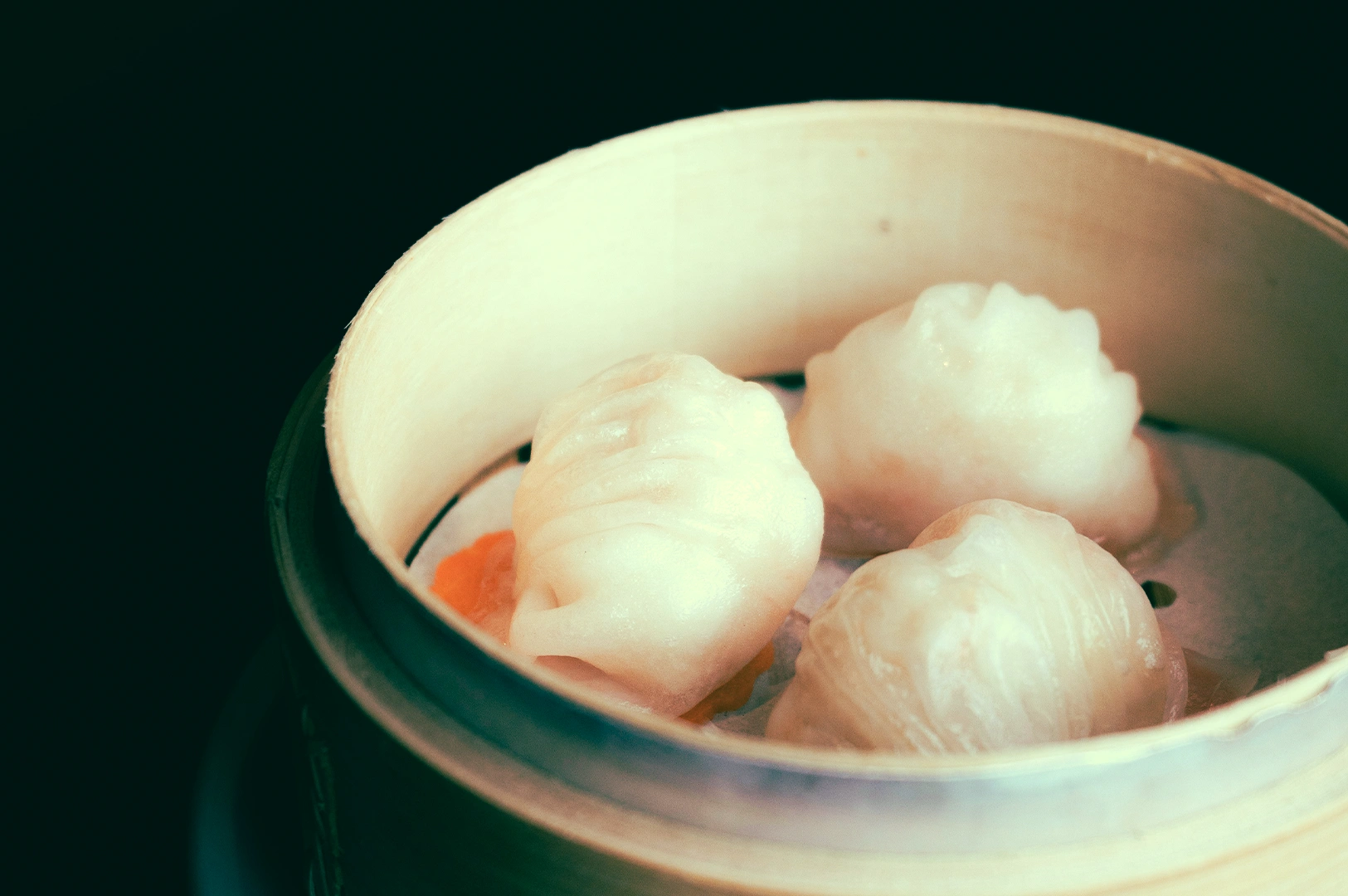
The dining room is a familiar symphony of clattering porcelain, scraping wooden chairs, and lively conversation. Steam rises in thick, fragrant clouds from towering stacks of bamboo baskets, carrying the savory scent of roasted meats and sweet lotus paste.
We sit at the round table, eagerly awaiting the arrival of translucent shrimp dumplings and golden, flaky egg tarts. In the modern yum cha experience Singapore offers, the food easily commands our immediate attention. It feels like the undeniable center of the morning.
The Quiet Centerpiece
Yet, as the server places a heavy, ceramic teapot quietly in the center of our table, a different reality begins to unfold. We treat the intricate dumplings and baked pastries as the main event, gathering specifically to feast on them. But historically, these delicate bites were never meant to carry the weight of the entire meal.
When you look closely at the rhythm of the table, you realize the food is actually moving around something else entirely. The true anchor of the morning sits quietly in our small, handle-less porcelain cups. Dim sum feels like the focus today, but exploring its roots reveals a much quieter, slower, and more grounding tradition.
The Meaning of Yum Cha: Drinking Tea First
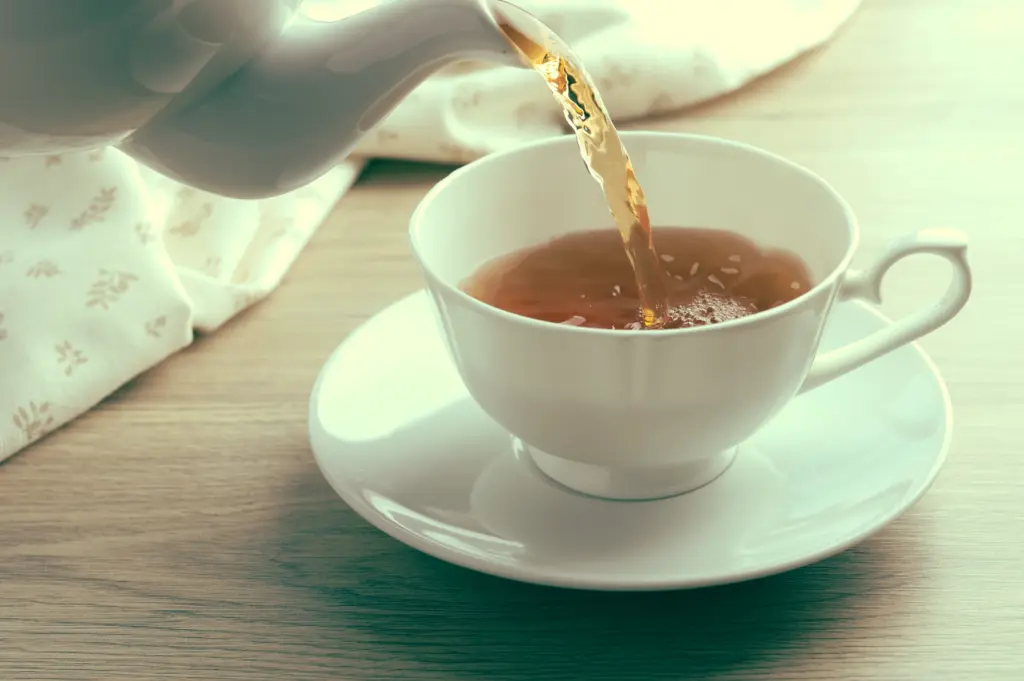
Long before the first plate of pan-fried turnip cake arrives, the foundation of the gathering is established through the pouring of hot liquid. The very phrase we use to describe this meal, “yum cha,” translates literally to “drink tea.” It does not translate to eating dim sum. This linguistic detail is not an accident, but a gentle reminder of the original purpose of the gathering.
When we sit down at a traditional Chinese restaurant, the very first question asked is never about the food. The server simply asks what kind of tea we would like to drink. Whether it is the floral lightness of jasmine, the earthy depth of pu-erh, or the crisp finish of oolong, the choice of tea dictates the tone of the hours ahead.
This initial act of brewing and pouring establishes a distinct atmosphere. Chinese tea rituals demand patience and a willingness to pause. You cannot rush boiling water, and you must wait for the tightly rolled leaves to unfurl in the dark ceramic pot. In this collective waiting, the frantic energy of the morning softens. The tea grounds us, serving as the quiet centerpiece that brings everyone to the table.
How Dim Sum Began as Small Accompaniments
To understand why the food was originally secondary, we have to look back at the origins of the yum cha tradition. Centuries ago, along the ancient Silk Road, weary travelers and merchants needed safe places to rest. Small teahouses emerged along these vast trading routes, offering a quiet sanctuary to sit, converse, and find shelter from the long journey.
The proprietors of these teahouses served hot tea to restore the travelers’ energy and warm their bodies. Eventually, they began offering small, bite-sized snacks to accompany the beverages. These snacks were not intended to serve as a heavy, multi-course feast. They were simply modest accompaniments meant to complement the complex flavor notes of the brewed tea leaves.
The translation of “dim sum” itself beautifully captures this original intent. The phrase translates loosely to “touch the heart.” The food was designed to satisfy a light craving, offering just enough sustenance to comfort the traveler without overwhelming the stomach. Dim sum was the supporting act, carefully crafted to elevate the simple, restorative act of drinking tea.
A Shift from Tea to Table
It’s a contrast that becomes more apparent when you compare how we choose where to eat today—often guided by lists of the best Chinese restaurant Singapore offers for dim sum—rather than by the slower traditions that once shaped the experience.
Why the Table Still Moves Around Tea
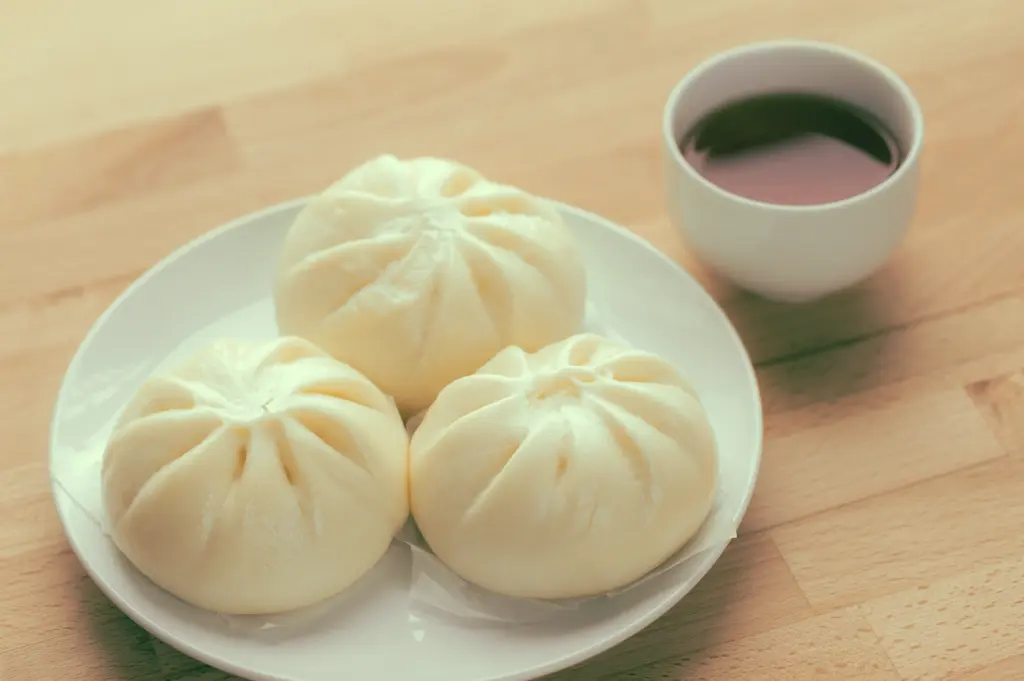
Even in a bustling, modern dining room, the underlying structure of the meal still revolves around the teapot. Unlike a standard dinner where food arrives in a strict, sequential progression of appetizers and mains, this experience is beautifully fluid. Dishes arrive in overlapping waves, creating a continuous cycle of tasting, sipping, and talking.
The tea serves as the metronome for this cycle. We take a bite of a savory pork dumpling, and then we naturally reach for our cups to cleanse the palate. The hot liquid resets our senses, preparing us for the next delicate pastry or steamed dish. Without the tea, the richness of the food would quickly become overwhelming, and the meal would end much sooner.
The Role of Tea in Digestion and Pacing
The presence of hot tea also plays a vital physiological role in how the meal unfolds over time. Fermented teas, particularly pu-erh, are traditionally served to aid in digesting the rich, roasted meats and fried pastries common in dim sum culture.
The warmth of the beverage soothes the stomach and naturally slows our eating pace. We cannot consume scalding tea quickly, which gently forces us to pause, lower our chopsticks, and simply sit with one another.
How Different Dishes Complement Tea
Notice how the flavors of Chinese tea with dim sum interact seamlessly on the palate. The subtle bitterness of an oolong tea cuts cleanly through the richness of a steamed spare rib with black bean sauce. The light, fragrant notes of chrysanthemum lift the delicate flavor of a fresh shrimp dumpling. The food highlights the tea, and the tea elevates the food. They function as equal partners in a delicate, sensory dance.
The Balance Between Eating and Lingering
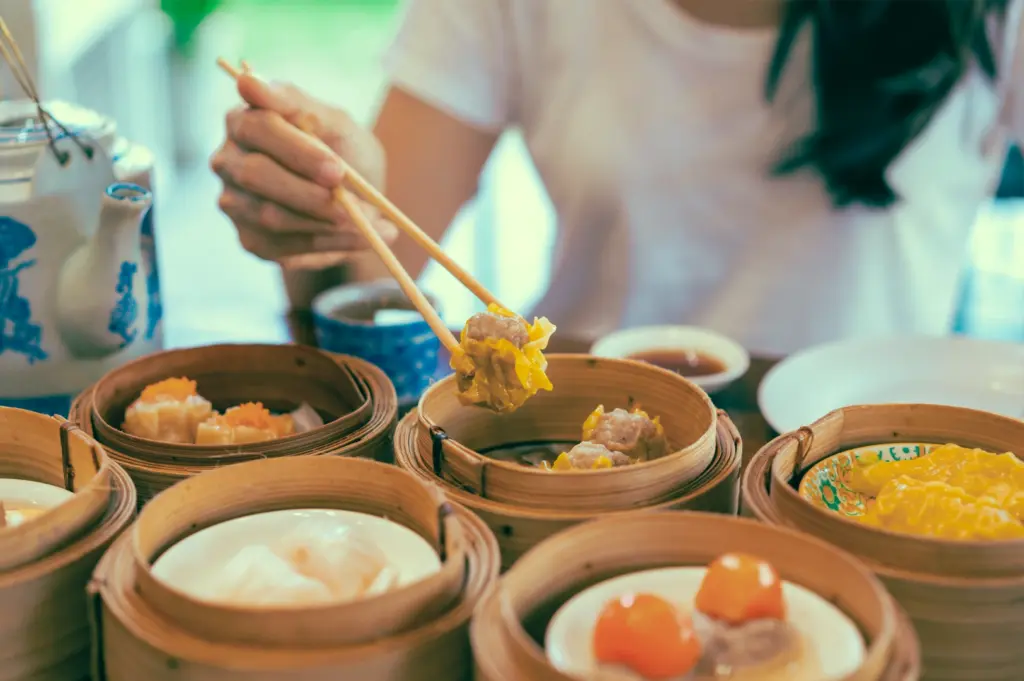
Yum cha represents an increasingly rare approach to eating in our fast-paced society. It is an exercise in lingering, a practice that encourages us to stretch time rather than compress it. In a typical restaurant setting, the arrival of the final dish signals the end of the meal. The plates are cleared, the bill is paid, and the table is quickly vacated for the next group.
At a dim sum table, the completion of the food does not signal an immediate departure. Empty bamboo baskets are often cleared away while the teapot remains firmly in place. When the pot runs dry, we do not ask for the check. We simply prop the ceramic lid slightly ajar, a silent signal for the server to add more hot water to the leaves.
This simple, wordless gesture extends the gathering indefinitely. We stay to steep a second or third pot of tea, allowing the conversation to stretch out comfortably into the late morning. The meal is not defined by how quickly we can consume the food, but by how long we can sustain the connection with the people sitting across from us.
What Happens When Dim Sum Becomes the Focus
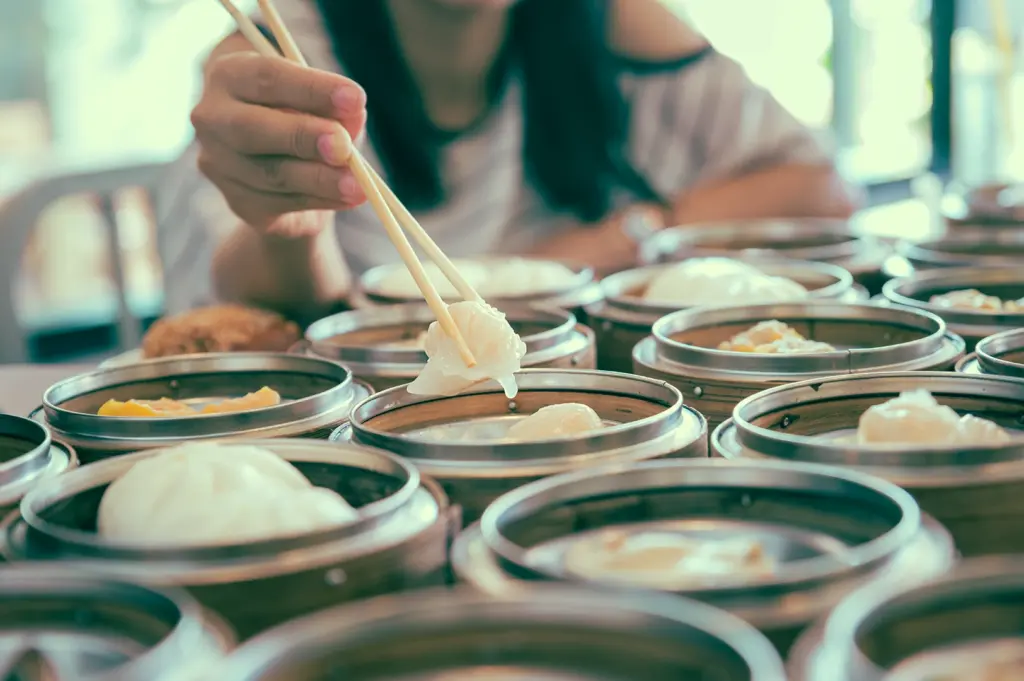
As dining culture evolves, the original balance of this tradition sometimes slips away. It is incredibly easy to treat a modern teahouse visit as a race to order as much food as possible. We check dozens of boxes on the paper menu, eagerly anticipating a table overflowing with complex dishes, heavy carbohydrates, and fried items.
When the focus shifts entirely to the food, the rhythm of the meal changes abruptly. We rush to eat the dumplings before they grow cold and lose their delicate textures. We prioritize securing the last egg tart over maintaining the natural flow of conversation. The teapot gets pushed to the edge of the glass turntable, poured hastily only when we feel terribly thirsty.
In this rush, we lose the subtle grace of the experience. The meal becomes heavy and transactional, moving from a shared ritual to a simple act of consumption. We leave the restaurant feeling overly full rather than gently nourished. By turning the accompaniments into the sole focus, we accidentally strip away the pacing and the presence that make the tradition so special.
Returning to the Original Rhythm
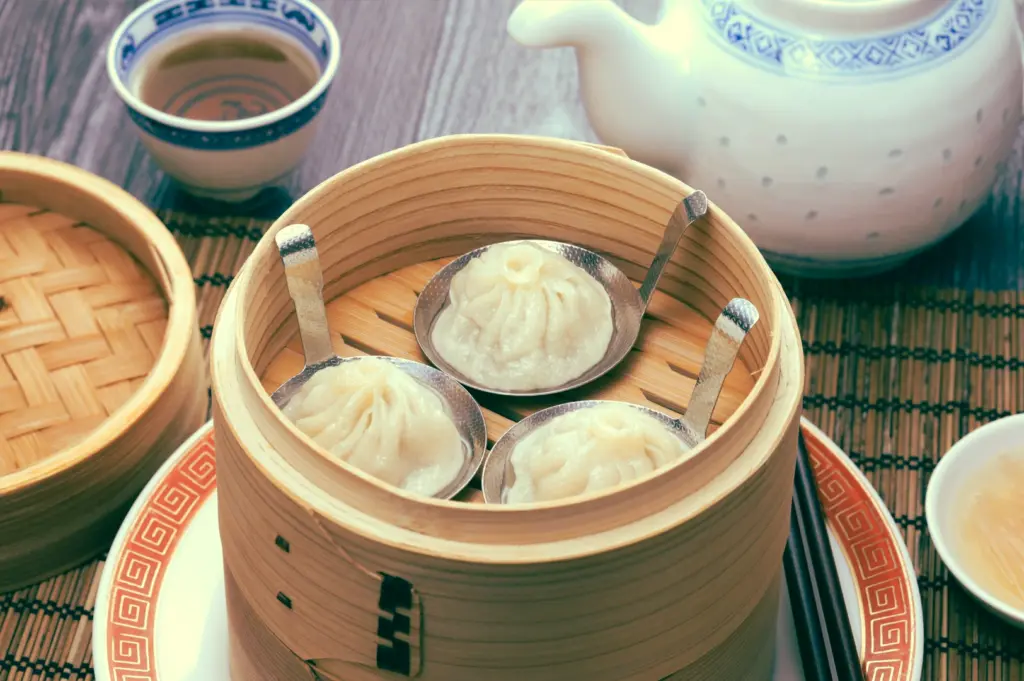
We do not need to change what we order to recapture the true spirit of the teahouse. We only need to shift our attention back to the center of the table. Returning to the original rhythm begins with noticing the small, quiet interactions that happen between the bites of food.
It starts with watching how the tea is shared among companions. You lift the heavy pot and pour for the elders at the table first, a seamless demonstration of care and respect. Your companion gently taps two fingers against the tabletop as you fill their cup, silently thanking you without interrupting the flow of their story.
Why Meals Feel More Complete When Balanced
When we allow the tea to lead the meal again, a profound sense of completeness washes over the table. The pauses between the arrival of the dishes no longer feel like frustrating delays in service. Instead, they become welcome spaces to catch our breath, sip our tea, and truly listen to our family and friends.
The food tastes better when it is savored rather than rushed. A single, perfectly steamed dumpling, followed by a warm sip of jasmine tea, feels infinitely more satisfying than a hastily consumed feast. This balance reminds us that dining is fundamentally an act of connection, sustained by the quiet spaces we create for one another.
The Importance of Mindful Dining
In today’s fast-paced world, it is easy to fall into the trap of mindless eating. We often find ourselves rushing through
The next time you find yourself surrounded by the beautiful noise of a weekend morning teahouse, take a moment to look at the center of your table. Notice the steam rising from the spout of the ceramic pot, waiting patiently to be poured. Watch how the simple act of pouring and pausing brings everyone just a little bit closer together. Embrace the quiet rhythm of the tea, and you will discover that the most fulfilling part of the meal was never actually on the plate.