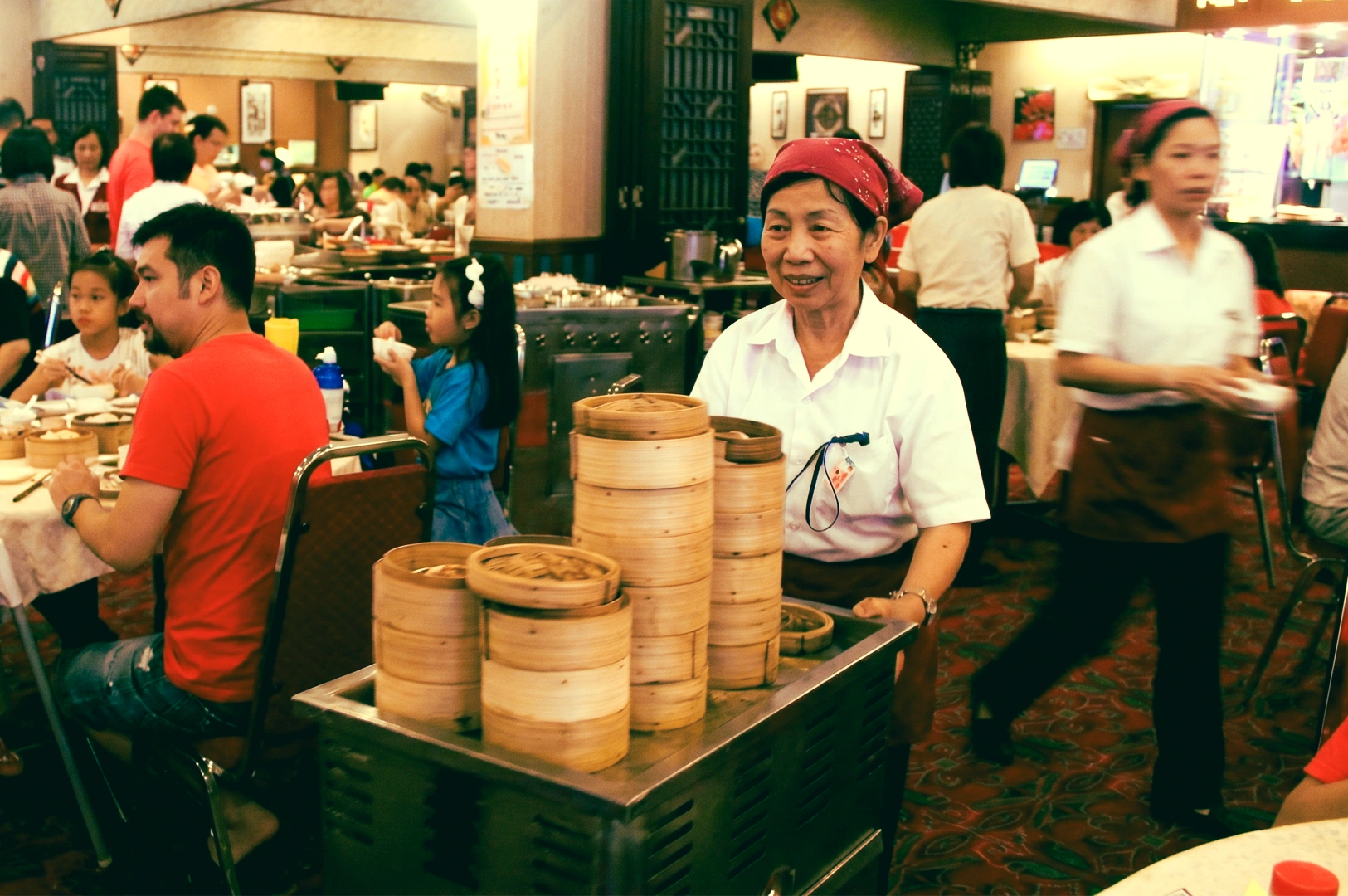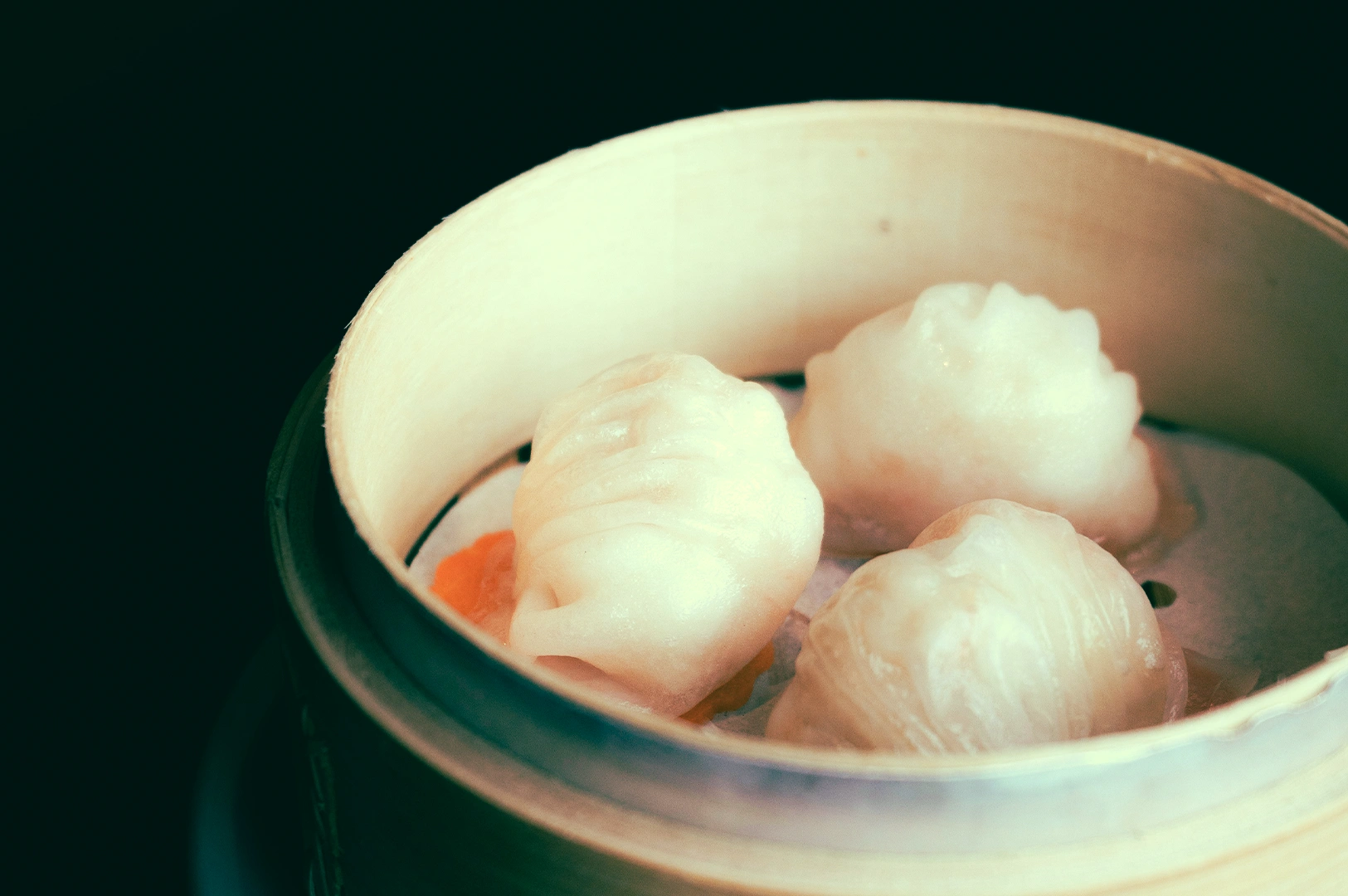
The dining room is a symphony of ambient noise and movement. Wooden chairs scrape lightly against tiled floors, carts rattle as they weave through narrow aisles, and the air hangs thick with the savory, enveloping scent of steamed bamboo and roasted meats. In the heart of a bustling teahouse, there is an energy that feels at once chaotic and perfectly choreographed.
To sit at a round table here is to participate in something much larger than a simple weekend meal. It is an immersion into dim sum culture, a culinary tradition built as much on human connection as it is on delicate shrimp dumplings and flaky egg tarts.
For many diners searching for the best Chinese restaurant Singapore has for a proper yum cha experience, it is often this balance—between food and feeling—that quietly defines the places worth returning to.
The Unspoken Language of Care
Yet, amid the towering stacks of steamer baskets and the lively hum of conversation, the true essence of the meal is often found in the quietest moments. What makes a yum cha experience feel entirely whole is not just the extensive menu or the vibrant atmosphere. Instead, it is the invisible, unbroken thread of small, thoughtful gestures passing between diners.
These subtle, often wordless interactions—the tilt of a teapot, the tap of a finger, the gentle nudging of a plate—form a quiet language of care. They transform the simple act of eating into a shared ritual of warmth, respect, and enduring kinship.
The First Pour: Beginning with Tea
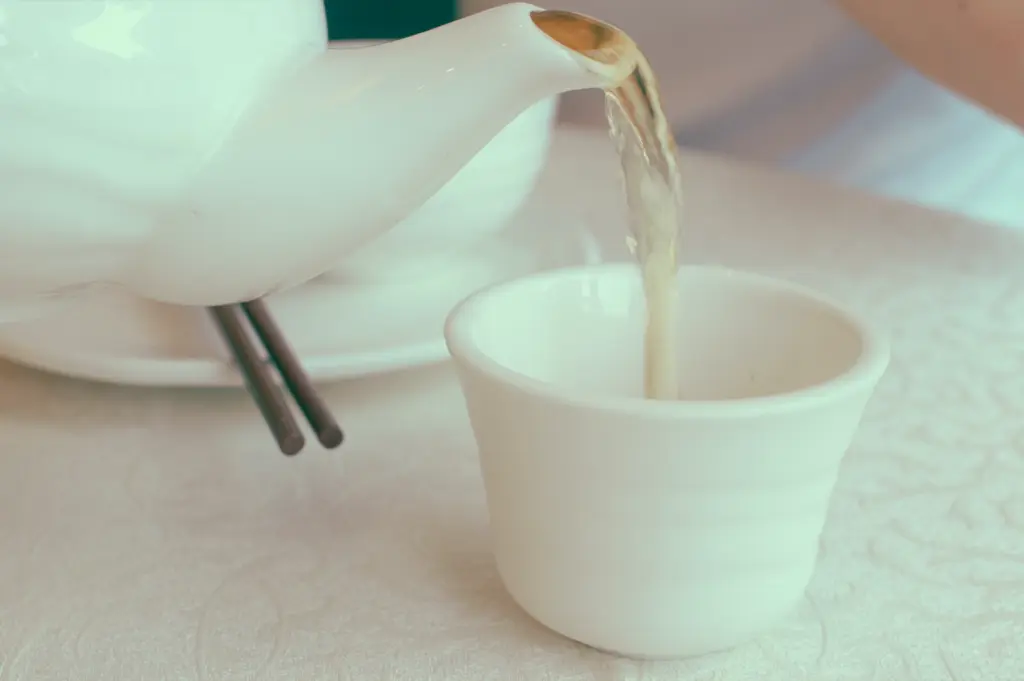
Long before the first plate of har gow or crisp turnip cake arrives, the foundation of the meal is established through tea. The very phrase yum cha translates to “drink tea,” underscoring the beverage’s central role in the experience. When the server places the heavy, ceramic teapot on the table, a distinct shift occurs. The chaotic energy of the outside world softens, giving way to the unhurried rhythm of the dining room.
The first pour is a grounding ritual. As the amber liquid cascades from the spout into small, handle-less porcelain cups, a fragrant ribbon of steam rises into the cool air. The floral notes of jasmine or the deep, earthy aroma of pu-erh begin to open the palate and settle the mind. This initial act of pouring is not a hurried necessity to quench thirst; it is a deliberate, pacing mechanism.
Chinese tea rituals inherently demand time. You cannot rush boiling water. You must wait for the leaves to unfurl, for the liquid to steep, and for the cup to cool just enough to hold comfortably. In this waiting, conversation naturally blooms.
The Gentle Wash
In many traditional settings, the first pot of hot water or tea is used to rinse the cups, bowls, and chopsticks at the table. A large communal basin is often provided for this purpose. This practice, deeply rooted in Cantonese heritage, is less about modern hygiene and more about preparing the space.
The clinking of porcelain as hot water is swirled and discarded sets a sensory baseline for the meal, a tactile confirmation that the table is ready to receive food and company.
Pouring for Others Before Yourself
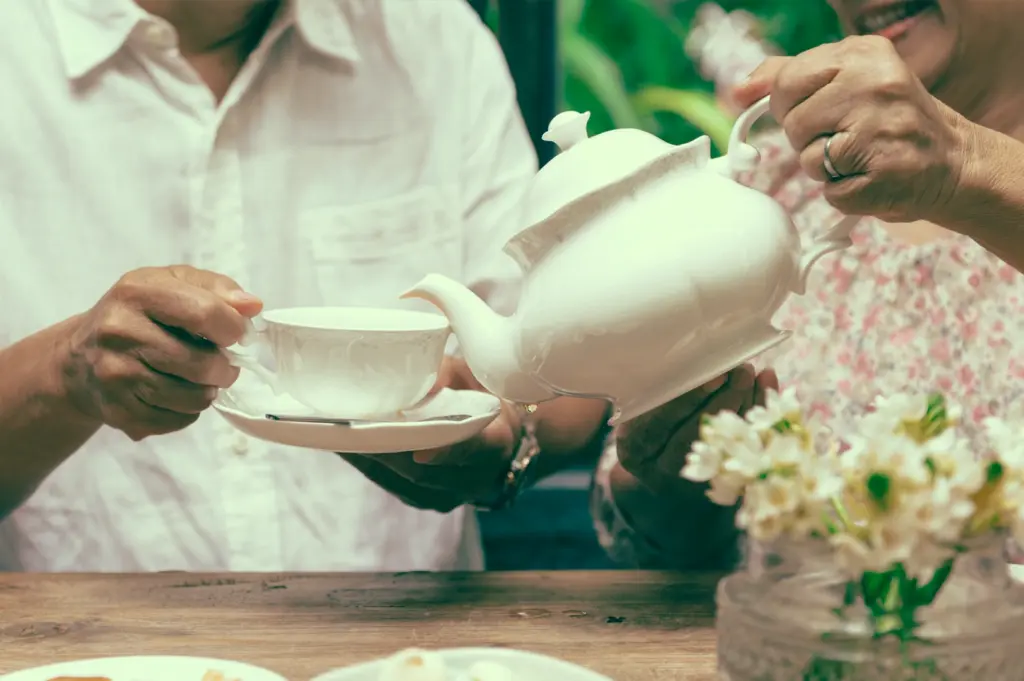
Perhaps the most defining element of yum cha etiquette is the unspoken rule of the pour. When you hold the teapot, your cup is always the very last to be filled. It is a seamless, almost unconscious act of selflessness that dictates the flow of the entire morning.
You lift the heavy ceramic pot, feeling the heat radiating through the handle, and lean across the table to fill the cups of your companions. You pour for the eldest members of the table first, a quiet acknowledgment of respect and hierarchy, before moving to your peers, and finally, yourself. There is a profound, understated beauty in this action. No one ever needs to ask for tea, because everyone is collectively watching out for one another.
If a cup sits half-empty, a hand will naturally reach for the pot. It is a continuous loop of providing and receiving, establishing a physical manifestation of care that sustains the table for hours.
The Finger Tap: A Quiet Language of Thanks
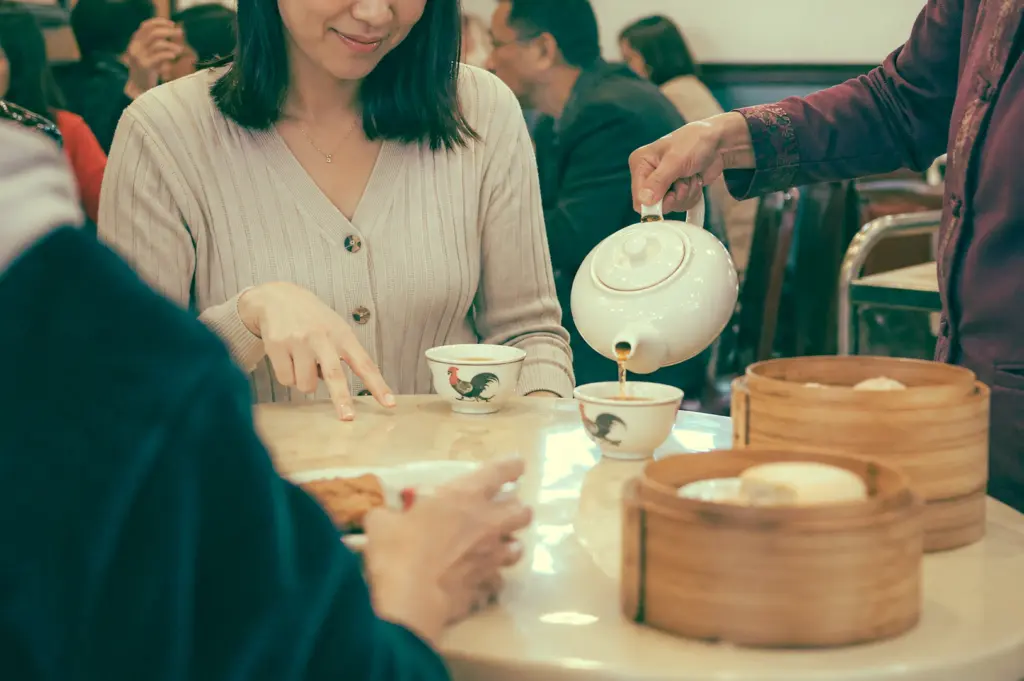
When a friend or family member leans over to refill your cup, the conversation rarely stops to accommodate a verbal thank you. Instead, gratitude is expressed through one of the most charming and unique gestures in dim sum culture: the finger tap.
As the hot tea flows into your cup, you gently tap your index and middle fingers on the tabletop, usually two or three times. This soft, percussive sound blends seamlessly into the ambient noise of the restaurant, yet it registers perfectly with the person pouring.
A Legend of the Emperor
The gesture carries a delightful folklore origin. It is said to trace back to the Qing Dynasty, when Emperor Qianlong would travel the country in disguise to observe his subjects. Not wanting to blow his cover by having his guards and servants bow to him in public when he poured them tea, they devised a subtle system. They bent their index and middle fingers to mimic the act of a kneeling bow on the table.
Today, that quiet tap is stripped of its imperial weight but retains its core purpose: acknowledging a kindness without interrupting the flow of shared stories and laughter. It is a micro-interaction that feels incredibly intimate, a secret language spoken right out in the open.
Sharing Without Asking: How Plates Move Around the Table
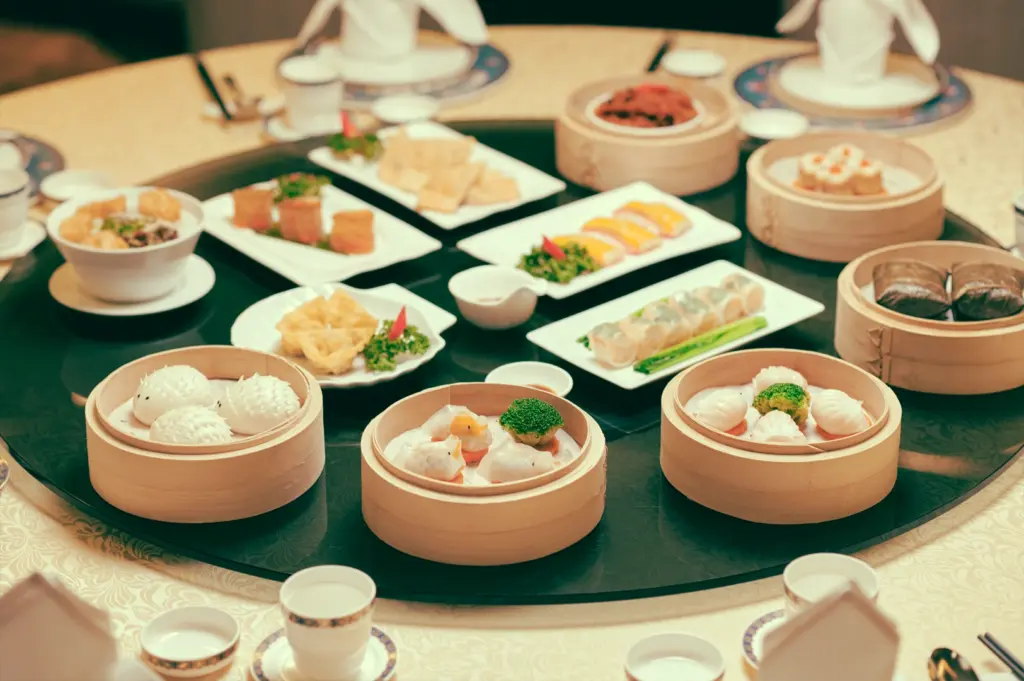
Yum cha dismantles the formality of the individual, plated meal. Here, food is a collective resource, arriving in small, fragrant portions meant to be divided. The architecture of a traditional Chinese dining table, often featuring a spinning glass lazy Susan in the center, is specifically designed to facilitate this sharing.
However, the true grace of the meal lies in how the dishes actually move. You might notice a dining companion’s eyes linger on a bamboo steamer of spare ribs with black bean sauce. Without a word, you gently rotate the glass, bringing the dish to rest directly in front of them. When a plate of crispy spring rolls arrives, you instinctively use your chopsticks to transfer a piece to your neighbor’s bowl before taking one for yourself.
This unspoken distribution of food requires a keen awareness of the people around you. You are constantly reading the table, ensuring that the favorite dishes of your loved ones are always within their reach.
Offering the Last Piece
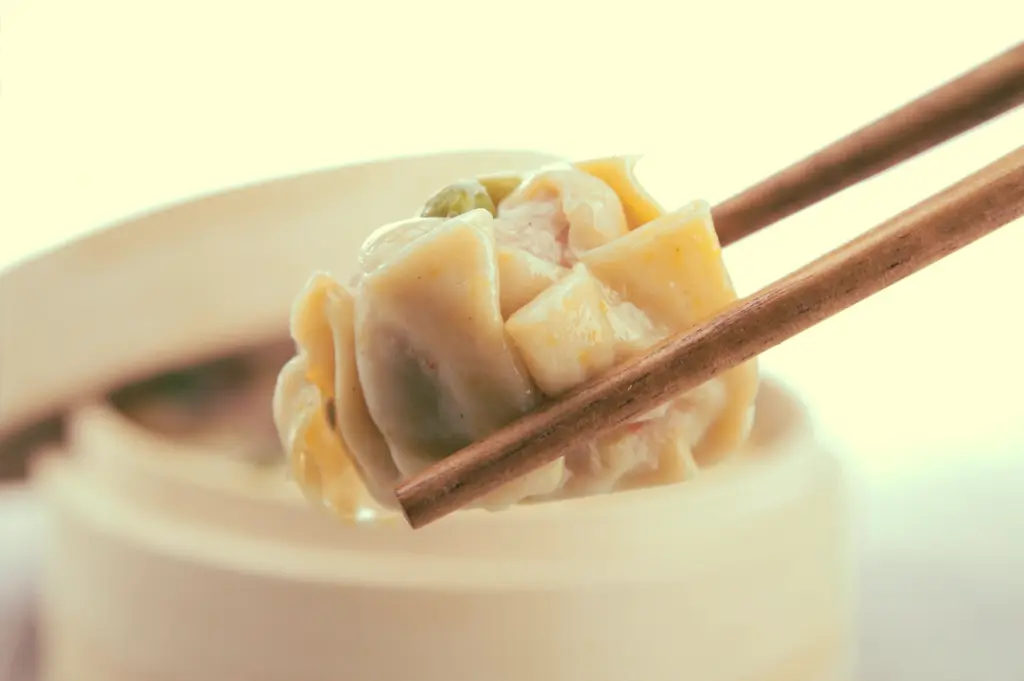
As the bamboo baskets slowly empty, a familiar dance inevitably unfolds around the final piece of food. Whether it is a solitary, glistening siew mai or the last golden wedge of a baked egg tart, the remaining morsel often sits untouched in the center of the table for an extended period.
This hesitation is a cornerstone of yum cha traditions. To immediately claim the last piece without offering it to others is considered mildly thoughtless. Instead, a gentle, polite negotiation takes place. You gesture toward the steamer basket, offering it to your friend. They smile and decline, insisting you take it. Sometimes the piece is carefully divided in half; other times, someone finally relents and happily consumes it, acknowledging the table’s collective generosity.
This hesitation is never about a lack of appetite. It is a practiced demonstration of putting the desires of others before your own, a small but meaningful exercise in communal restraint.
How These Gestures Shape the Experience
When you strip away the intricate folds of the dumplings and the crispy layers of the pastries, what remains is the framework of human connection. The small gestures—the tapping fingers, the tilted lids, the careful sharing of a final egg tart—are not just quaint traditions. They are the mechanisms that keep us connected to one another.
In a modern world that often feels rushed, digital, and disconnected, the teahouse remains a sanctuary of tactile, present-moment care. It forces us to put down our phones and look at the people across from us. It asks us to notice when their cup is empty and to fill it.
The next time you find yourself seated at a round table, enveloped in the steam and the beautiful noise of a weekend morning, take a moment to look beyond the bamboo baskets. Notice the quiet language of the hands around you. Watch how the tea flows, how the plates are offered, and how the rhythm of the meal naturally draws people closer together.
When you participate in these small, selfless acts, you quickly realize that the beauty of this tradition lies not just in what we consume, but in how we take care of each other while we do.