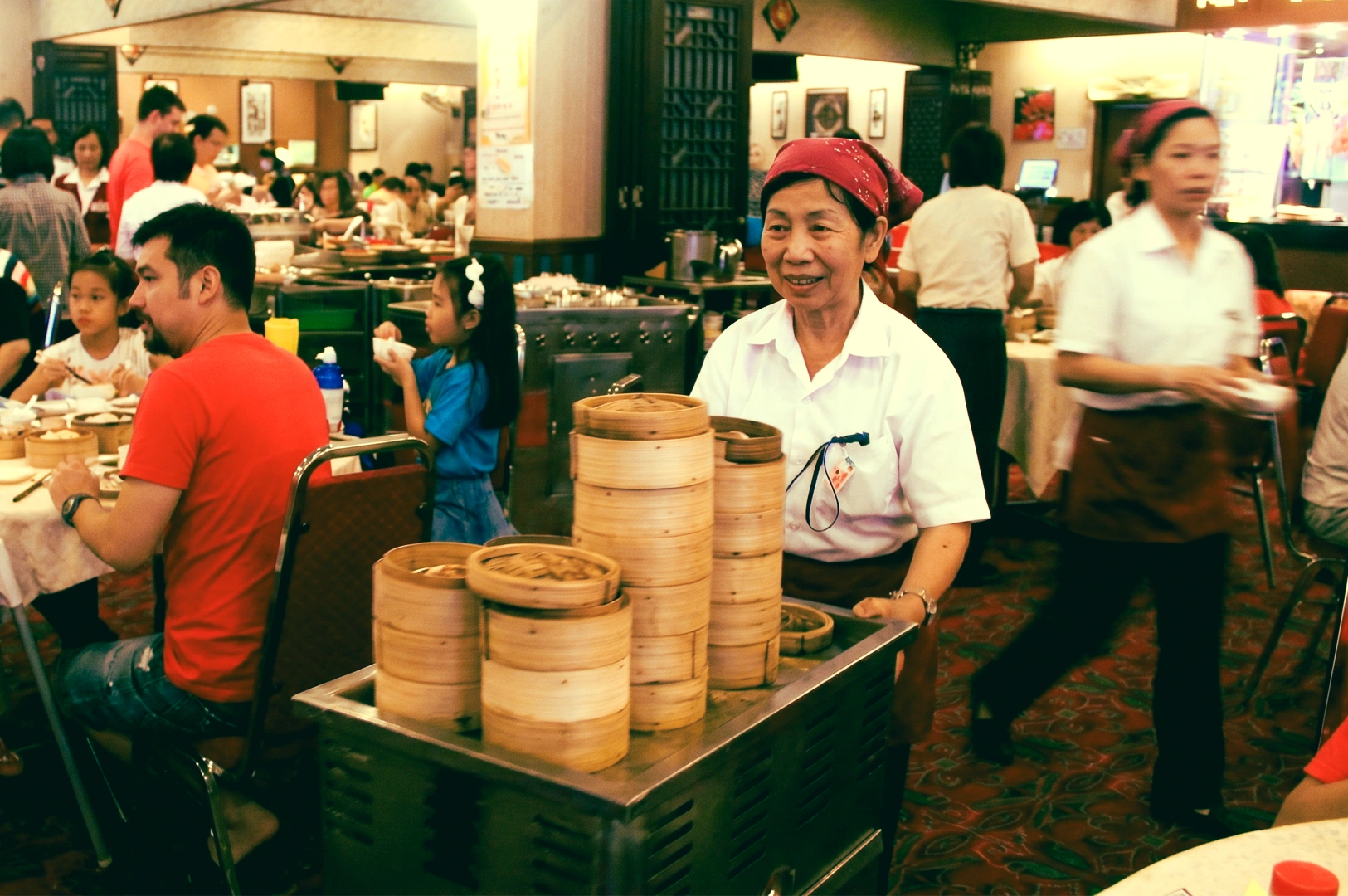
You arrive at a dim sum restaurant at 1:00 PM on a weekend, ready to eat. You scan the menu and select your favorite baked BBQ pork pastries and fresh shrimp rice rolls, only to have the server tell you they are sold out. This is a common frustration, but it is rarely an accident.
The unavailability of certain dim sum dishes comes down to strict kitchen mechanics, ingredient management, and predictable diner habits. Understanding these factors helps you plan your meal more effectively.
The Mechanics of High-Demand Dishes
Dim sum kitchens operate on a precise calculation of time and inventory. Items sell out early due to three main factors:
- Preparation complexity: Baked goods, such as egg tarts and flaky pastries, require dedicated oven space and highly specific timing. Unlike steamed dumplings, which kitchens can produce continuously, baked items are made in limited, distinct batches. Once the morning batch is gone, kitchens rarely start a new one during peak service.
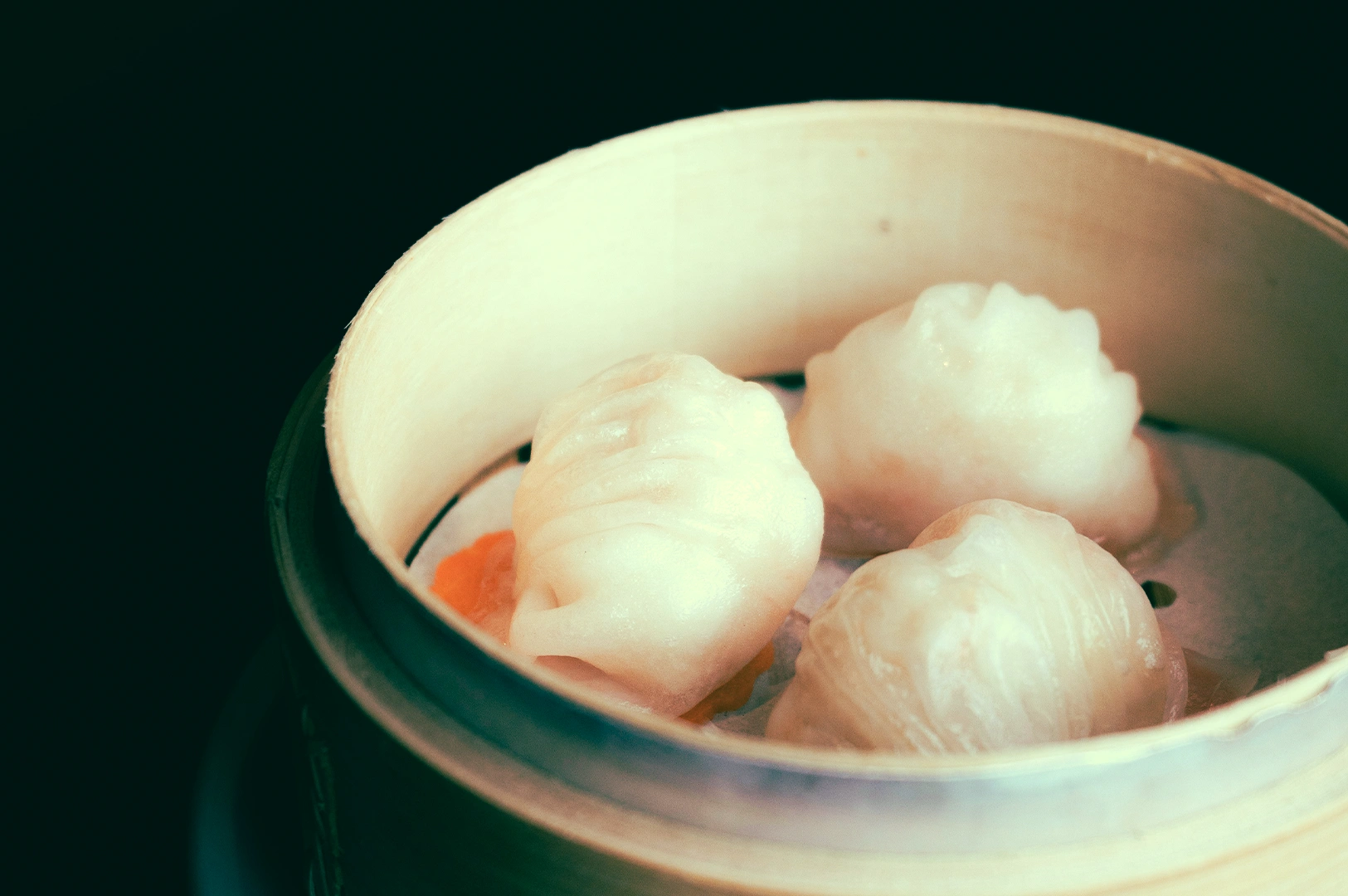
- Ingredient constraints: Quality dim sum relies on highly perishable ingredients. Dishes featuring fresh seafood, like har gow or delicate rice noodle rolls, require exact daily inventory. Restaurants prep strictly what they project to sell to minimize expensive food waste.
- Diner preferences: Ordering patterns are heavily skewed. A table of four will typically order three baskets of core proteins (like siew mai) but only one heavy carbohydrate dish. This concentrated demand rapidly depletes the inventory of premium items.
How to Secure the Best Items
To avoid missing out on the best dishes, you need to adjust your timing and your ordering strategy.
- Arrive during the golden window: The optimal time to sit down for dim sum is between 10:30 AM and 11:00 AM. The kitchen is fully stocked, the frying oil is fresh, and the first batch of baked goods is just coming out of the oven.
- Prioritize limited items in round one: Submit your order for egg tarts, baked pastries, and fresh rice rolls immediately. You can order your heavy staples, like fried rice or congee, later in the meal.
- Ask about daily limits: When you sit down at a popular establishment, ask the server which items are running low right away.
Eating dim sum is an exercise in inventory management. By understanding how the kitchen operates and timing your arrival correctly, you can ensure you get the exact meal you want.