Dim sum culture in Singapore represents a dynamic culinary sector that continuously adapts to changing diner preferences. Originally rooted in traditional teahouse settings, the local dim sum landscape has expanded into a multi-tiered industry.
This evolution reflects a balance between preserving heritage practices and integrating modern culinary techniques. We can observe this transformation through distinct shifts in dining formats, ingredient sourcing, and service models.
The Endurance of Traditional Teahouses
Despite rapid industry changes, traditional establishments maintain a strong presence in Singapore. These venues serve as cultural anchors, preserving original preparation methods and service styles.
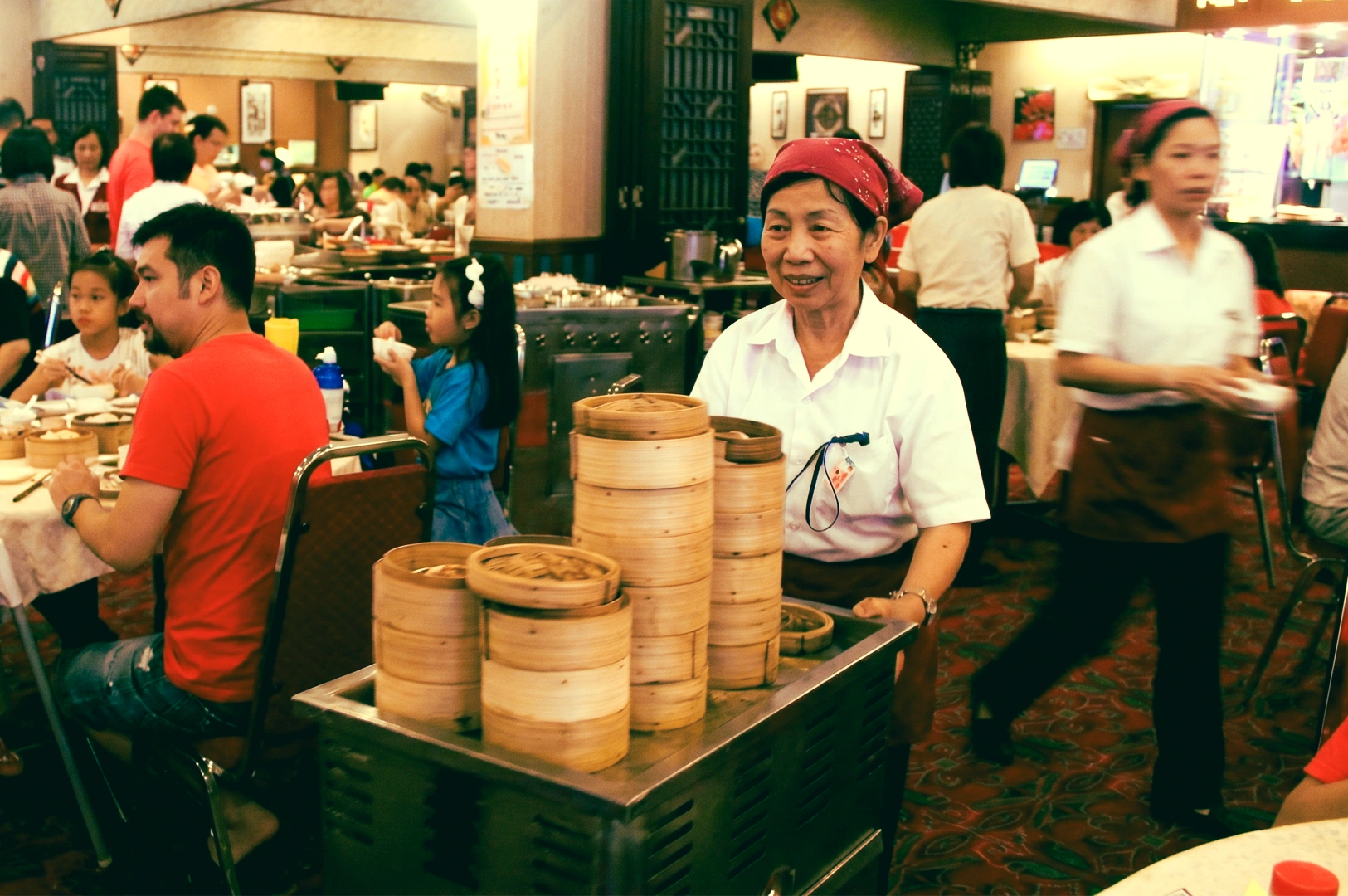
- Pushcart service: A select few heritage restaurants continue to operate roaming carts, offering visual selection and a bustling acoustic environment.
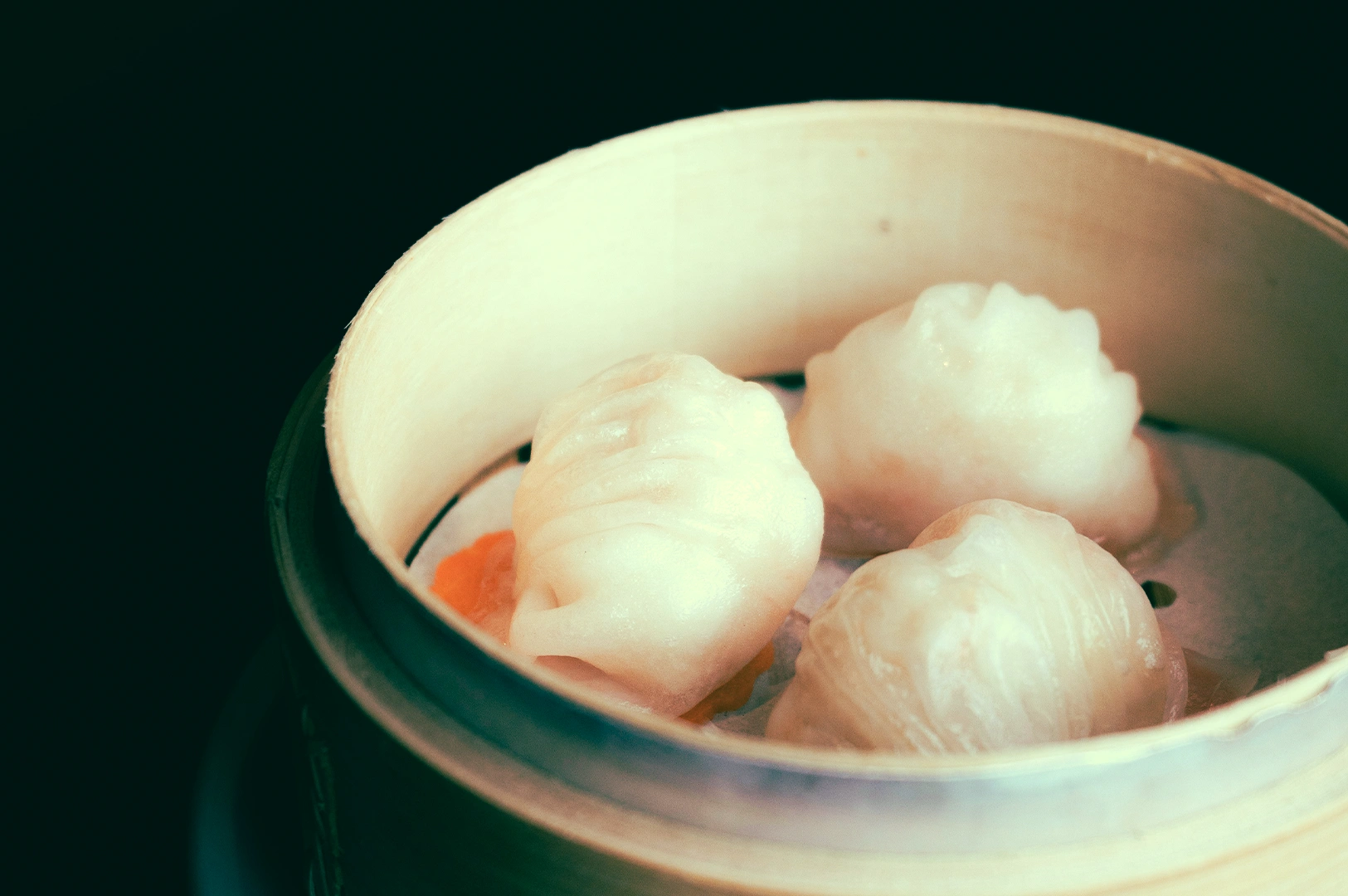
- Standardized recipes: Classic items like har gow (shrimp dumplings) and siew mai (pork dumplings) remain largely unchanged, relying on established techniques passed down through generations.
- Volume-focused operations: Neighborhood venues prioritize high turnover, accessible pricing, and late-night availability.
The Rise of Modern Dim Sum Concepts
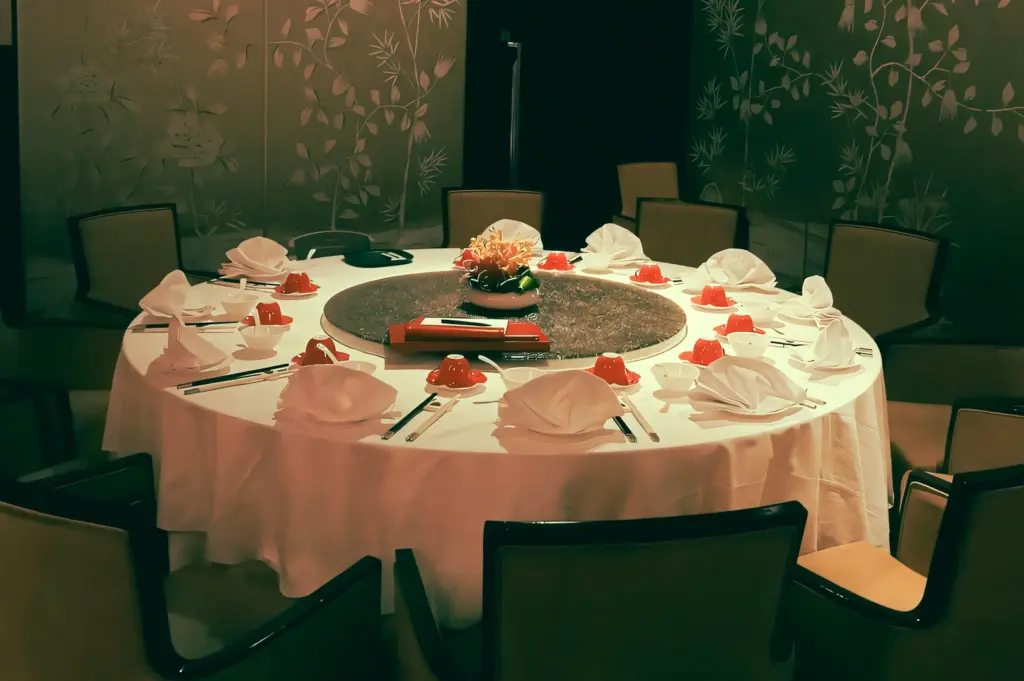
The past decade introduced a wave of modern dim sum establishments designed to meet contemporary dining expectations. These venues shift the focus from high-volume output to refined execution and updated aesthetics.
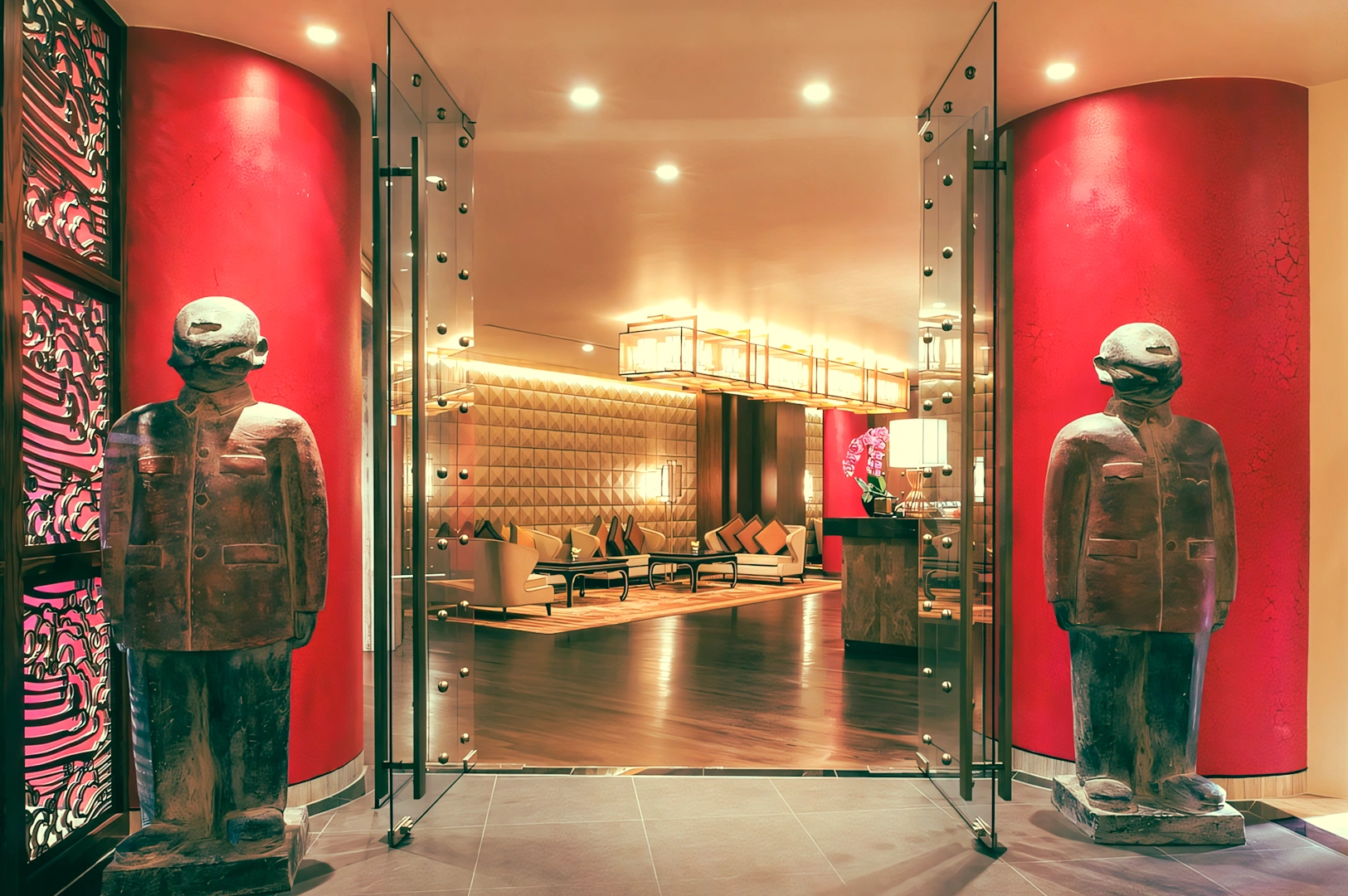
- Atmosphere and design: Modern concepts utilize conceptual interior design, sophisticated lighting, and curated acoustics to elevate the dining experience.
- Made-to-order models: Many restaurants have replaced the pushcart system with digital à la carte ordering. This ensures strict temperature control and precise cooking times for delicate steamed items.
The Influence of International Trends
Global culinary trends heavily influence current dim sum menus in Singapore. Chefs frequently integrate premium, imported ingredients into classic frameworks to create distinct offerings.
- Luxury ingredient integration: Staples are regularly updated with items like black truffle, Iberico pork, caviar, and foie gras.
- Visual innovation: Modern kitchens experiment with natural food colorings, intricate pastry folds, and contemporary plating techniques to appeal to visually driven consumers.
The current dim sum landscape in Singapore accommodates a wide spectrum of dining preferences. By maintaining traditional teahouses alongside innovative dining concepts, the industry ensures that heritage practices survive while simultaneously pushing the boundaries of culinary execution.
This dual approach guarantees that dim sum remains a relevant and central component of Singapore’s food culture.