The transition begins quietly around 11:15 AM.
At first, the dining room still feels manageable. A few occupied tables. Tea pots arriving steadily. Steam baskets moving out of the kitchen at a measured pace. Then, almost within minutes, the entire operational rhythm changes. Queue numbers accelerate. Reservation groups arrive simultaneously. Kitchen tickets begin stacking faster than steamers can cycle through the pass.
Inside a high-volume dim sum restaurant, lunch service operates less like traditional dining and more like synchronized traffic management.
Every station moves independently while remaining tightly connected to the others. Steam cooks monitor bamboo stack rotation constantly, ensuring dumplings do not remain inside condensation-heavy baskets for too long. Fry stations cycle through spring rolls, yam puffs, and carrot cake in rapid succession, balancing oil temperature against increasing order volume. Expeditors stand between the kitchen and dining room controlling pacing, redirecting dishes before bottlenecks form.
From the table, the room appears chaotic. Servers move quickly between tightly packed aisles carrying multiple bamboo trays at once. Conversations overlap beneath the sharp sound of porcelain lids striking tea cups. QR-code orders continue arriving even as physical queue lines stretch outside the entrance.
But underneath the noise, the structure remains highly controlled.
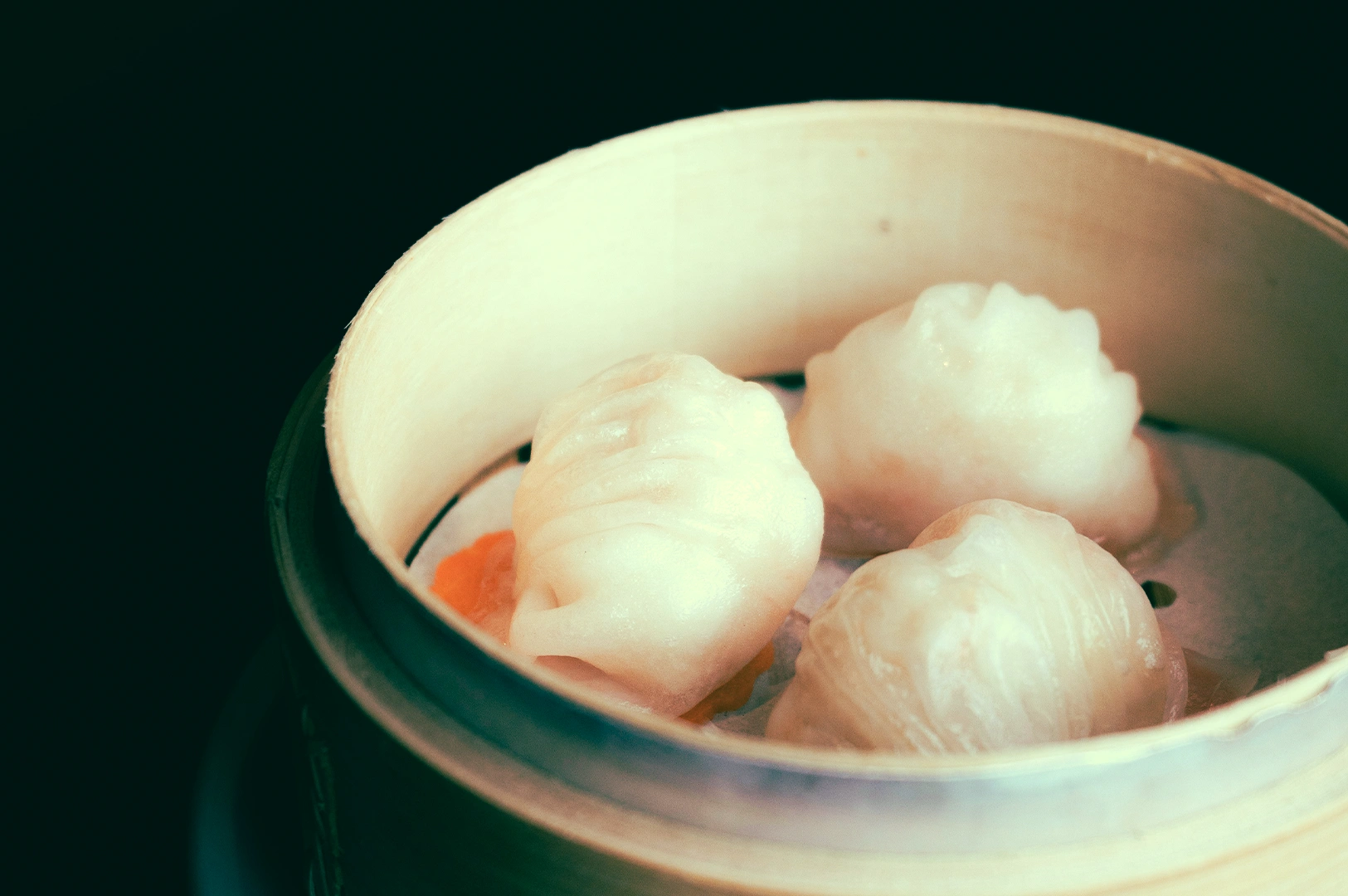
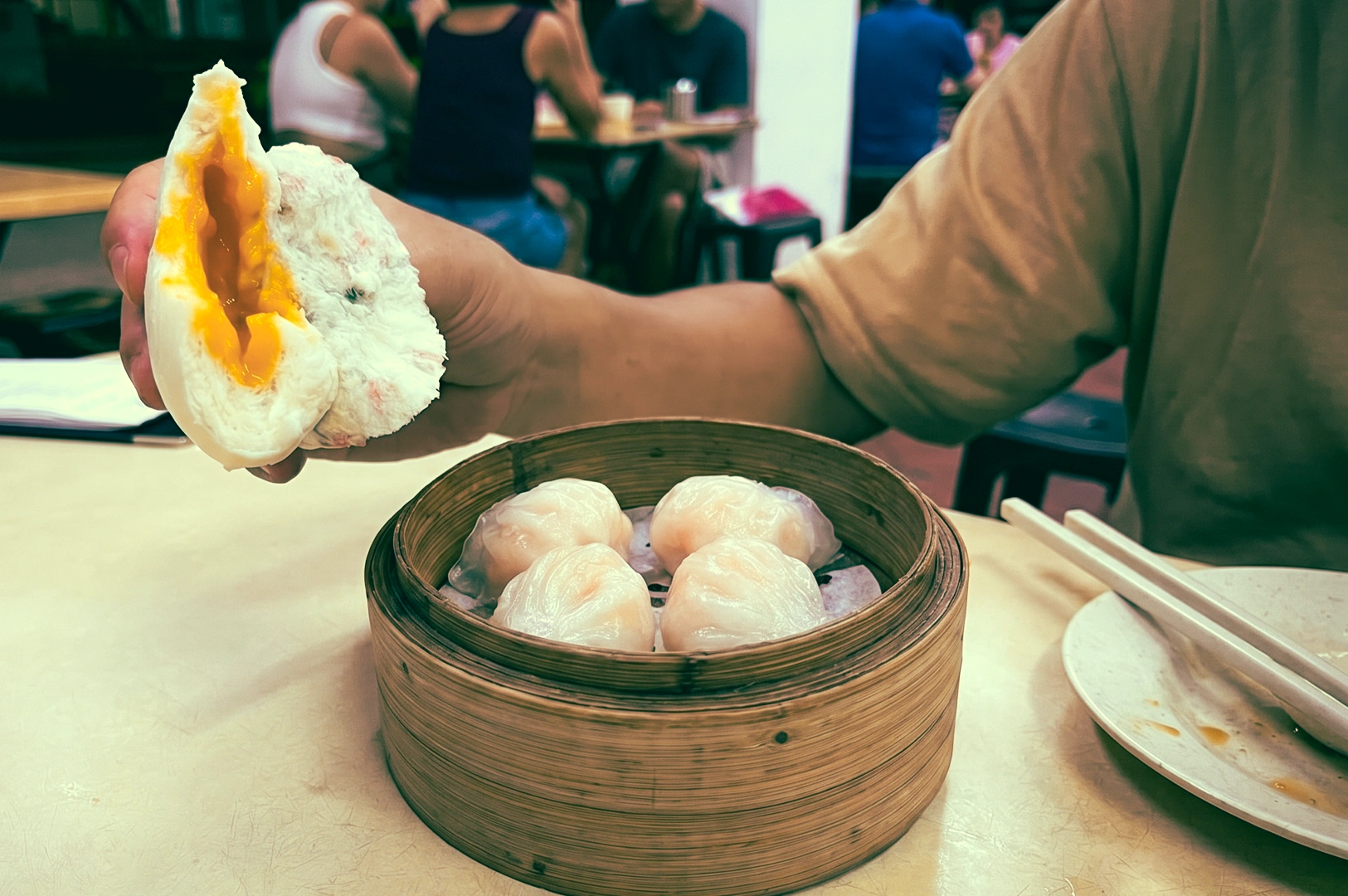
The strongest dim sum restaurants maintain consistency through repetition and sequencing rather than speed alone. Har gow wrappers must still remain translucent and elastic despite the rising ticket count. Siew mai cannot sit too long under steam or the pork texture tightens. Fried items lose integrity quickly if held under warming lamps for even a few additional minutes.
Lunch rushes expose operational weaknesses immediately.
A delayed steamer station creates cold dumplings. Poor table coordination overwhelms runners. Excessive batch production softens wrappers and dulls textures. Restaurants unable to regulate turnover begin losing consistency long before diners consciously notice it.
This is why experienced dim sum diners often arrive either very early or deliberately after peak service. The technical quality of the meal is closely tied to kitchen load, staff coordination, and the restaurant’s ability to maintain precision under pressure.
By 1:45 PM, the room gradually begins decompressing. Steam output slows. Queues shorten. Tea service becomes less frantic. The controlled chaos recedes, leaving behind only stacked bamboo lids, scattered order slips, and the lingering scent of hot tea and frying oil hanging lightly across the dining room.