Evaluating dim sum quality requires looking past elaborate modern presentations and focusing on the foundational execution of a kitchen. In professional culinary environments, a restaurant is rarely judged by seasonal specials or premium ingredient upgrades.
Instead, industry professionals assess a kitchen based on its handling of core staples. Technique, precise ingredient sourcing, and daily consistency manifest most clearly in fundamental dishes.
Understanding how to evaluate dim sum begins with three central pillars: har gow (shrimp dumplings), siew mai (pork dumplings), and char siew bao (barbecue pork buns). These three dishes operate as rigorous technical benchmarks.
Evaluating a Kitchen's Skill
They expose a kitchen’s mastery over diverse culinary disciplines, ranging from delicate starch handling and meat binding to yeast fermentation and precision roasting.
By analyzing the execution of har gow, siew mai, and char siew bao, diners can accurately gauge the overall operational standard of any teahouse or restaurant.
For a structured overview of where to apply these benchmarks across different venues, thebestdimsum.com.sg organises Singapore’s dim sum landscape by dining format, pricing tier, and restaurant type.
Why Core Dim Sum Items Define Restaurant Quality
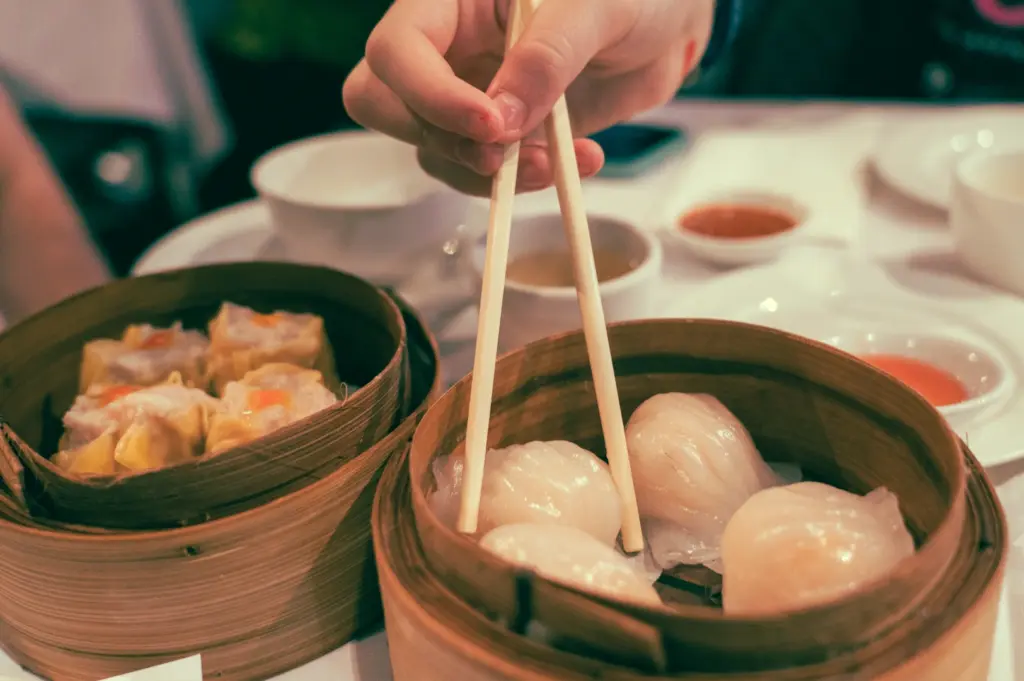
The trio of har gow, siew mai, and char siew bao are universally recognized as the definitive test of a dim sum chef’s skill. They define restaurant quality because they leave absolutely no room for error, shortcuts, or concealment. Heavy sauces and deep-frying techniques can easily mask inferior ingredients or poor preparation methods. In stark contrast, steamed dim sum items rely entirely on precise timing, exact ingredient ratios, and strict temperature control.
These items test distinct skills within the kitchen brigade. Har gow requires a dedicated dumpling maker capable of handling volatile, gluten-free starches. Siew mai demands a deep understanding of butchery, fat-to-lean ratios, and protein extraction to create the correct structural bounce. Char siew bao tests a pastry chef’s knowledge of hydration, ambient humidity, and precise fermentation. If a kitchen executes these three items flawlessly, it demonstrates a high level of rigorous training and operational discipline. Consequently, the quality of these core items almost always predicts the standard of the entire menu.
How to Evaluate Har Gow (Shrimp Dumplings)
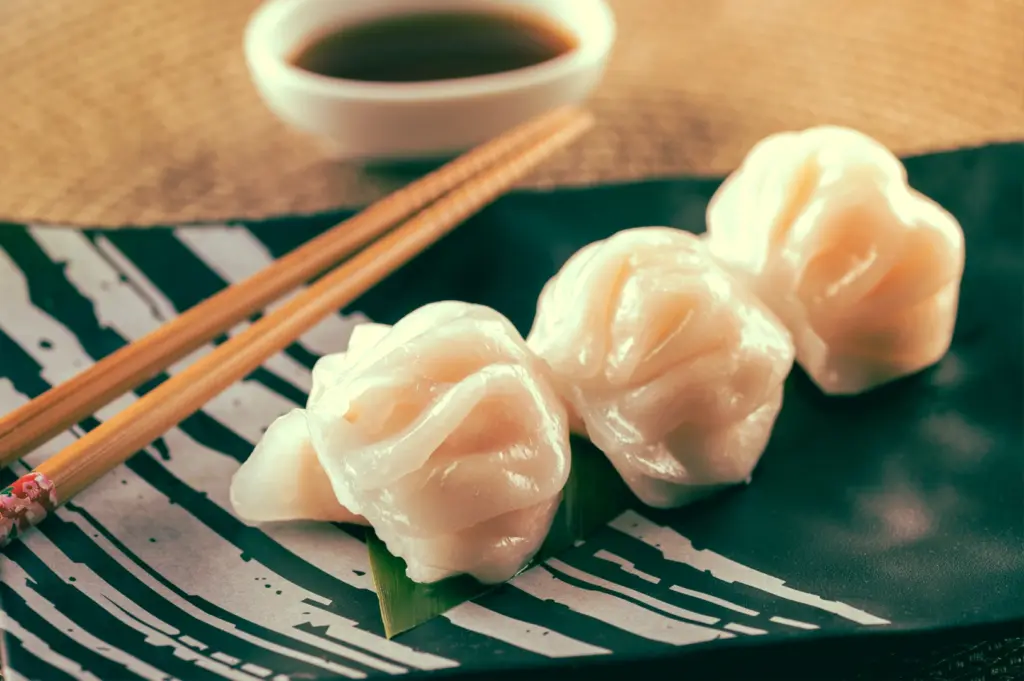
Har gow stands as the ultimate test of delicacy and precision. The dish combines a translucent, fragile wrapper with a crisp, cleanly flavored shrimp filling. Achieving the correct balance between the thin skin and the dense protein requires years of specialized practice.
Key Indicators of Quality
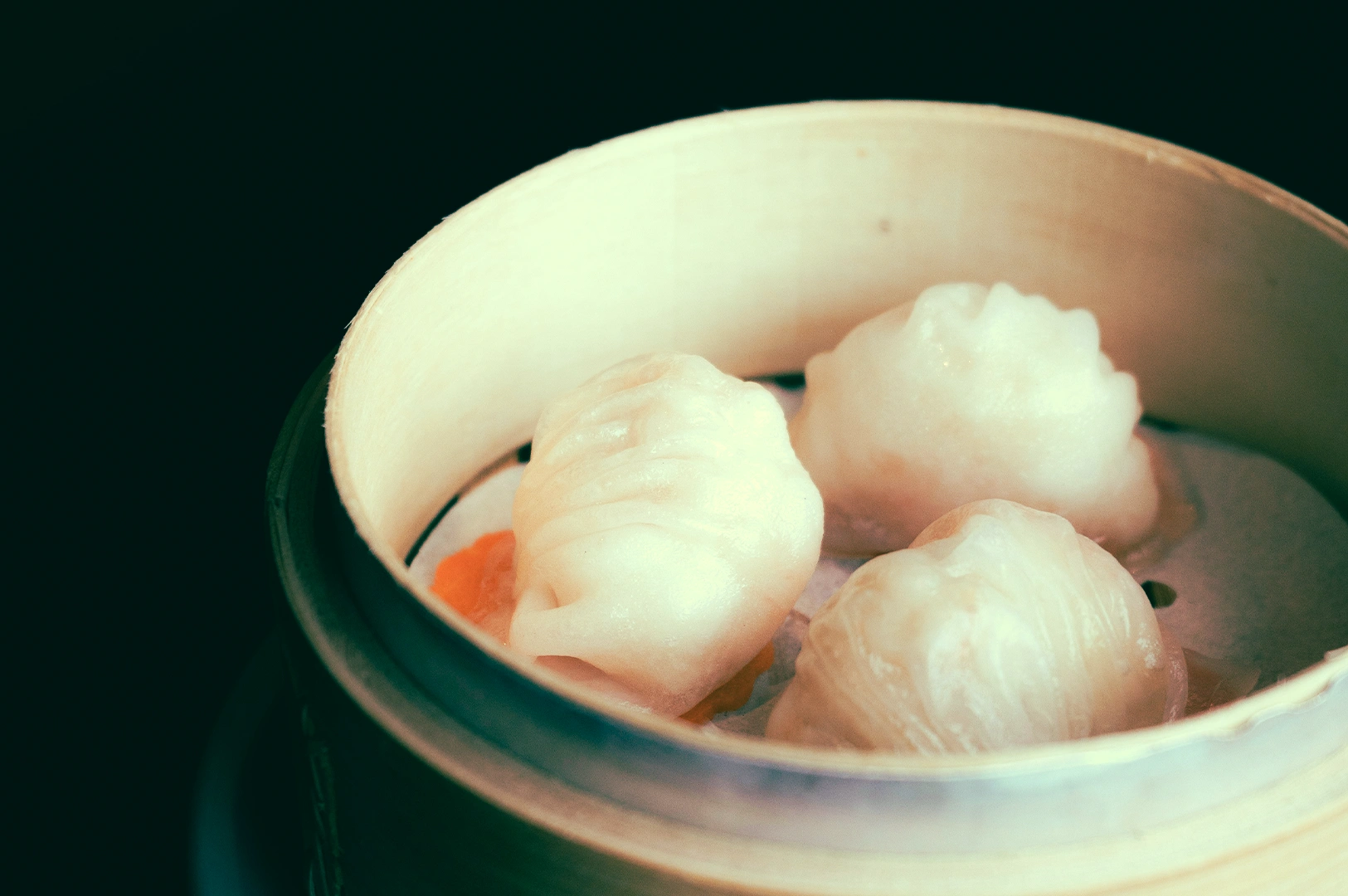
- Wrapper translucency and thickness: A high-quality wrapper appears slightly translucent, allowing the pink hue of the shrimp to show through clearly. The dough, made from a precise blend of wheat starch and tapioca starch, should be thin enough to feel delicate but strong enough to contain the filling without tearing upon lifting.
- Filling texture (shrimp firmness and freshness): The filling should deliver a distinct, clean snap when bitten. Kitchens achieve this texture by thoroughly washing fresh shrimp and treating it briefly with alkaline water or baking soda before rinsing it completely. This rigorous process enhances the firmness and preserves the natural sweetness of the seafood.
- Shape and pleating consistency: A technically sound har gow features a distinct crescent shape, often likened to a traditional Chinese comb. The pleating should be neat, tight, and uniform. Traditional culinary benchmarks demand at least nine to thirteen distinct pleats along the curve of the dumpling.
Common Issues to Watch For
- Thick or doughy skin: A wrapper that appears opaque, stark white, or feels gummy in the mouth indicates an incorrect ratio of starches or insufficient rolling technique. Thick skins mask the flavor of the shrimp and ruin the mouthfeel completely.
- Mushy or over-processed filling: If the shrimp filling resembles a paste rather than distinct, chunky pieces, the kitchen has either over-chopped the protein or used old, degraded seafood. A lack of structural snap represents a primary failure in har gow execution.
- Breakage when lifted: If the dumpling wrapper tears instantly when picked up with chopsticks, or if the bottom fuses entirely to the bamboo steamer paper, the dish has been over-steamed or left to sit on the pass for too long before serving.
How to Evaluate Siew Mai (Pork Dumplings)
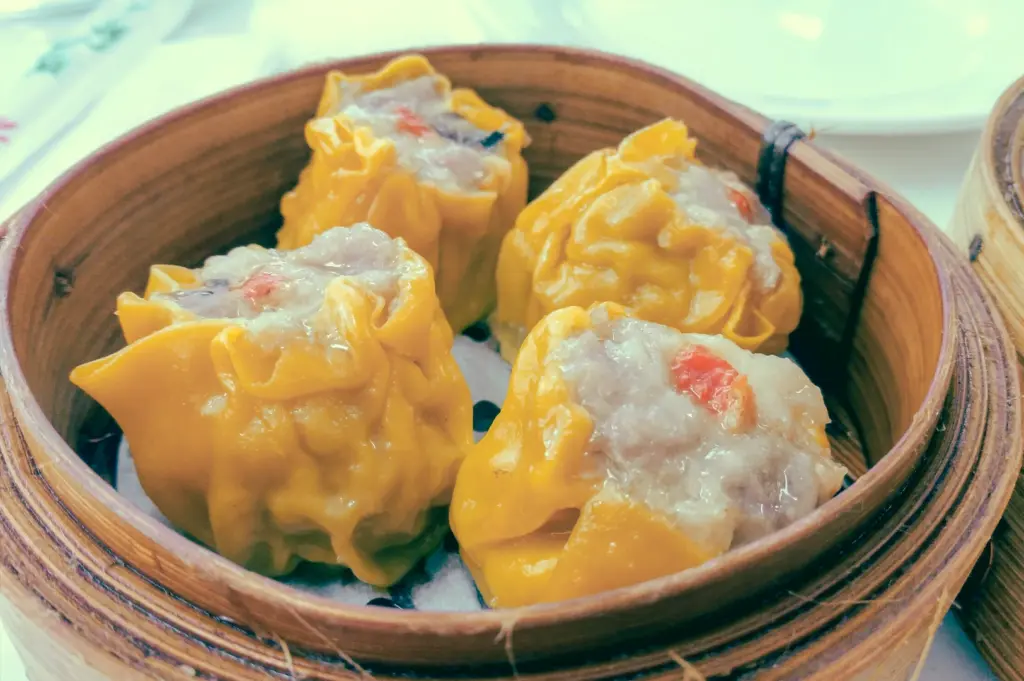
While har gow tests delicacy, siew mai tests structural integrity and meat composition. This open-topped dumpling relies on a precise understanding of fat-to-lean ratios and manual mixing techniques to create its signature texture.
Key Indicators of Quality
- Meat-to-fat ratio: A standard siew mai requires a balanced mixture of lean pork shoulder and hard pork fat. The ideal ratio hovers around seventy percent lean meat to thirty percent fat. This ensures the dumpling remains juicy throughout the steaming process without rendering into a greasy puddle in the basket.
- Texture (springy vs dense): High-quality siew mai exhibits a springy, elastic texture. Chefs achieve this by hand-chopping the meat rather than using a mechanical grinder, and by mixing the filling vigorously in one continuous direction. This manual mixing extracts myosin, a protein that binds the meat together and creates a satisfying bounce.
- Binding and structure: The thin, lye-water wrapper should cling tightly to the meat filling. The dumpling should maintain its cylindrical shape perfectly when removed from the steamer basket, standing upright without slumping or bulging at the sides.
Common Issues to Watch For
- Overuse of fillers: Kitchens looking to reduce costs often add excessive amounts of cornstarch, water chestnuts, or mushroom stems to bulk up the filling. While a small amount of filler adds texture, an over-reliance on these ingredients results in a spongy, artificial bite that lacks the rich flavor of actual pork.
- Dry or crumbly texture: If the dumpling falls apart easily or feels dry upon chewing, the kitchen has used meat that is far too lean, or they have skipped the crucial step of emulsifying the fat and lean meat through vigorous manual mixing.
- Inconsistent portioning: Siew mai in the same basket should be identical in height and width. Uneven sizing indicates rushed prep work and poor quality control, which almost always leads to uneven cooking times within the same batch.
How to Evaluate Char Siew Bao (BBQ Pork Buns)
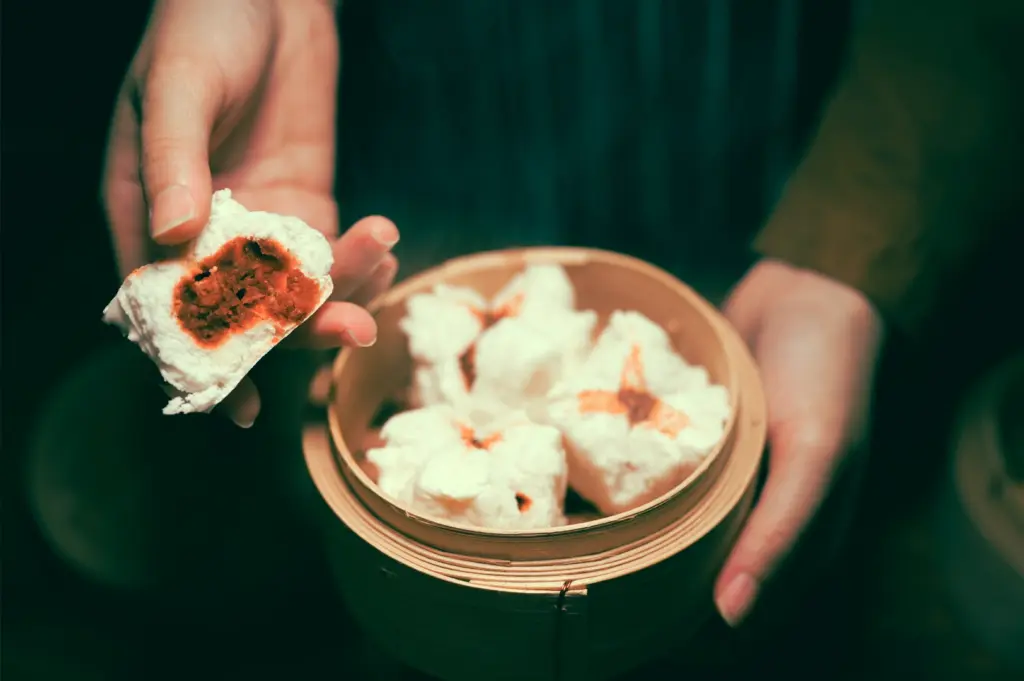
The steamed char siew bao represents the intersection of savory roasting and delicate pastry work. A well-executed bun requires active yeast fermentation and precise chemical leavening to achieve its iconic blooming shape.
Key Indicators of Quality
- Bun texture (soft, fluffy, slightly elastic): The dough must feel incredibly light, often described as cloud-like, while retaining enough elasticity to avoid sticking to the teeth. The exterior should be smooth and bright white, achieved through the use of low-gluten flour, precise fermentation times, and specific steaming techniques.
- Filling balance (sweet vs savoury): The barbecue pork filling must strike a careful equilibrium. The savory notes of soy sauce, oyster sauce, and roasted pork shoulder should shine through the sweetness of the sugar and hoisin. The pork itself should feature distinct, tender chunks rather than a unified paste.
- Sauce consistency: The sauce binding the pork should be thick and glossy. It needs to hold the meat together firmly without bleeding aggressively into the surrounding white dough.
Common Issues to Watch For
- Dense or overly dry bun: If the bun feels heavy, dense, or requires a beverage to swallow comfortably, the dough was either under-proofed, over-steamed, or mixed with the wrong type of flour.
- Overly sweet or diluted filling: A filling that tastes entirely of sugar, lacking the complex roasted notes of traditional char siew, points to a kitchen relying on mass-produced commercial sauces rather than in-house roasting. A watery sauce that turns the bottom of the bun soggy is equally problematic.
- Uneven distribution: A high-quality bun features the filling centered perfectly within the dough. If the meat sits entirely on one side, or if the dough at the base is exceptionally thick while the top is paper-thin, the folding technique during prep was fundamentally flawed.
Consistency Across Service
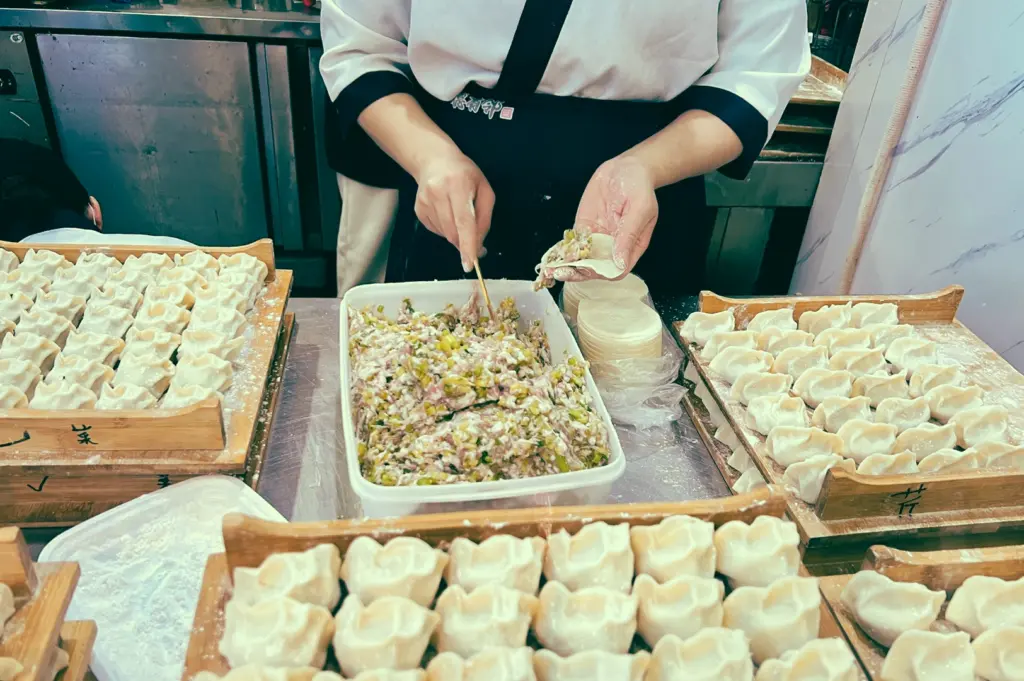
Understanding how to evaluate dim sum requires recognizing that quality is heavily tied to timing and operational flow. Evaluating har gow, siew mai, and char siew bao provides the most accurate data when observing the kitchen’s consistency across peak service hours. Dim sum operations rely heavily on batch production. A kitchen might execute a flawless har gow at ten in the morning, but struggle to maintain that exact standard during the chaotic rush at one in the afternoon.
Inconsistent food quality often points to a severe breakdown in kitchen workflow. If diners receive over-steamed dumplings with mushy wrappers alongside perfectly executed buns, it indicates that certain items were held in steamers for too long waiting for other dishes to finish. High-tier establishments manage their cooking times meticulously, ensuring that every bamboo basket hits the table within seconds of reaching optimal temperature, regardless of how busy the dining room gets.
Quick Reference Checklist for Diners
To systematically assess dim sum quality during a meal, diners can utilize the following evaluation points:
- Har Gow (Shrimp Dumplings):
- Check for wrapper translucency; the pink shrimp should be clearly visible.
- Count the pleats; look for neat, uniform folds along the curve.
- Test the wrapper strength; it should not tear easily when lifted from the basket.
- Bite for texture; the shrimp must deliver a distinct, firm snap.
- Siew Mai (Pork Dumplings):
- Observe the shape; the dumpling should stand straight without sagging.
- Check wrapper adhesion; the yellow skin must cling tightly to the meat.
- Evaluate the bounce; the pork should feel springy, not dense or crumbly.
- Look for a clean pork flavor balanced by a proper fat ratio.
- Char Siew Bao (BBQ Pork Buns):
- Look for the bloom; the top of the bun should be cracked open naturally.
- Test the dough; it should be fluffy, white, and non-sticky.
- Examine the filling; the pork should be in distinct chunks, not an overly processed paste.
- Check sauce control; the thick sauce should not bleed excessively into the surrounding bun.
Beyond the Bamboo Steamer
Assessing the technical execution of har gow, siew mai, and char siew bao offers a precise, reliable method for judging dim sum quality. These three staples strip away the distractions of modern culinary trends, forcing kitchens to rely entirely on their foundational skills.
By examining wrapper translucency, meat binding techniques, and dough fermentation, diners can easily differentiate between average establishments and exceptional teahouses.
The next time a dining decision arises, prioritize these core benchmarks before moving on to the rest of the menu. Apply the quick reference checklist to the order, analyze the textures and temperatures carefully, and use this guide to evaluate the true standard of the restaurant’s culinary execution.