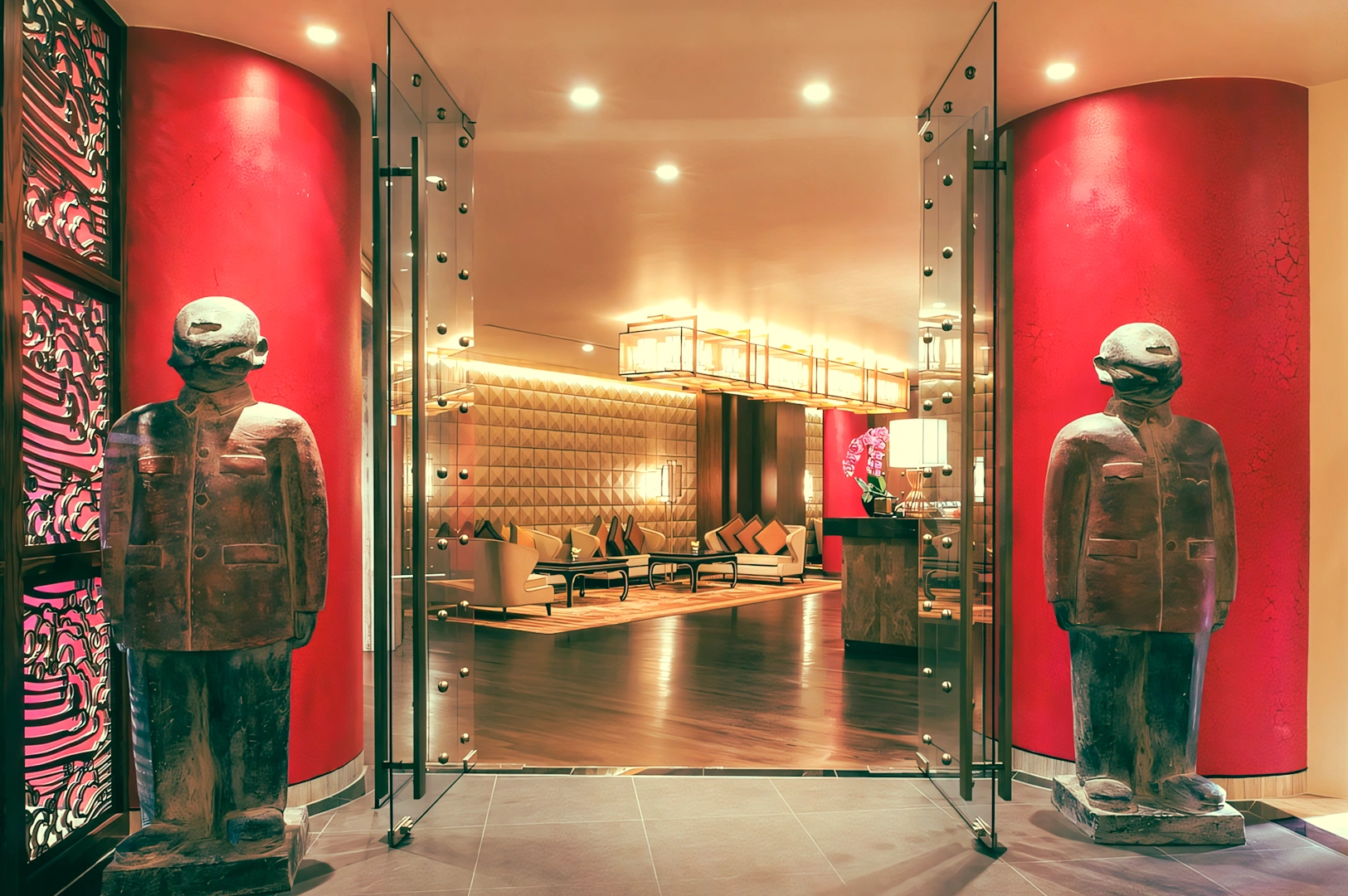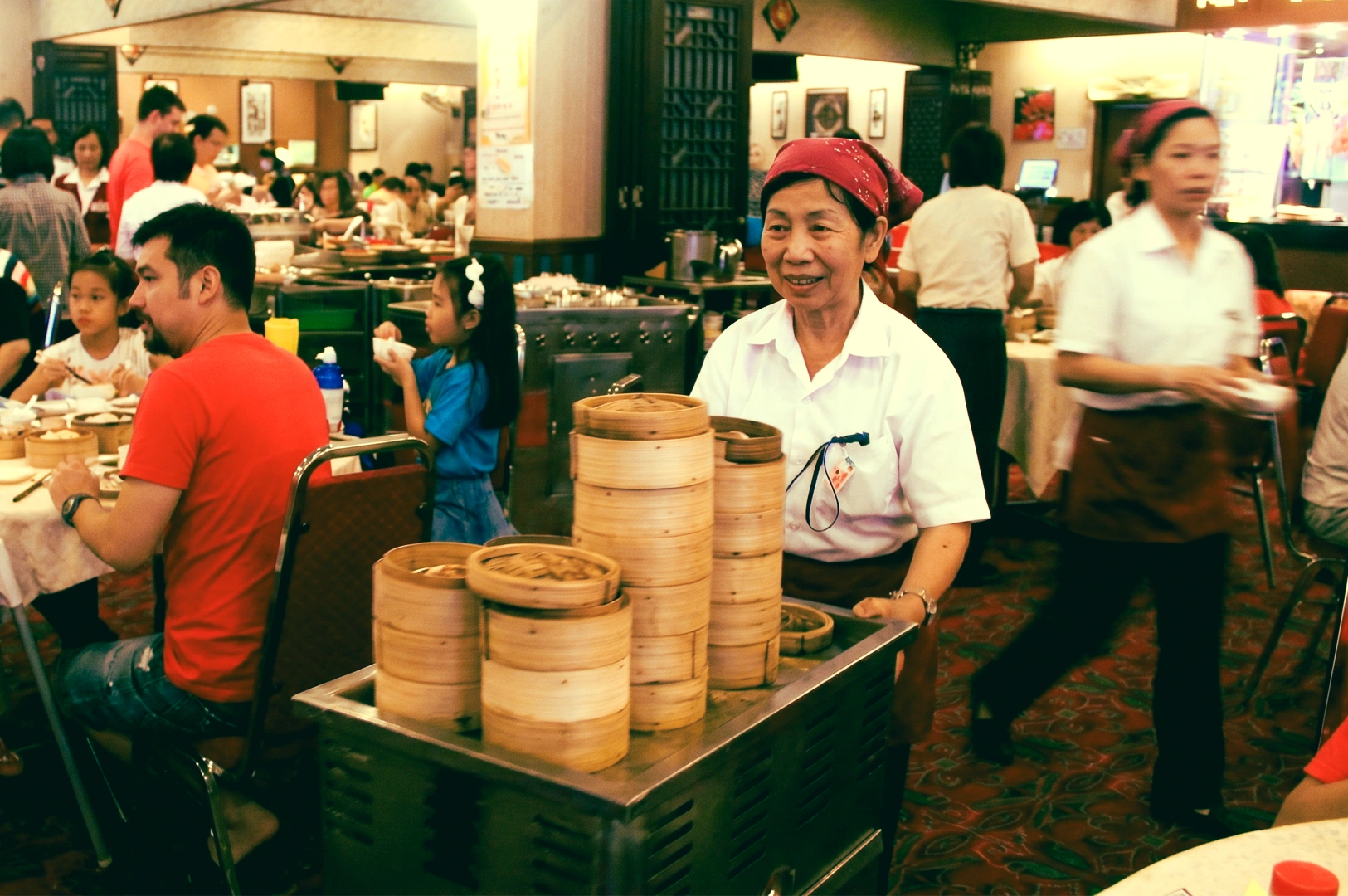
I’ve driven past the winding queues at Swee Choon Tim Sum Restaurant on Jalan Besar countless times, usually late at night when the local supper crowd completely takes over the pavement. I finally decided to see if the reality actually matched the long-standing hype of this quaint and popular dim sum spot in the heart of Singapore. To avoid the notorious evening chaos, I visited on a Tuesday around 3:30 PM, aiming for that quiet operational pocket between the lunch and dinner rushes.
Walking in, the vibe is purely functional and bustling. It’s a sprawling, no-frills setup spanning several shophouse units, feeling much more like a high-volume coffee shop than a traditional teahouse. I opted for the indoor dining room. The AC was aggressively strong—I actually had to put my light jacket on halfway through my meal. You can sit in the outdoor alley area, but it’s pretty loud and hard to hear your dining partner over the street traffic. The seating is tightly packed and basic, clearly designed to get diners in, fed, and out efficiently. This family-friendly tim sum restaurant is regularly patronized by locals and tourists alike, reflecting its long history as a staple in Jalan Besar.
Where the Menu Starts to Drop Off
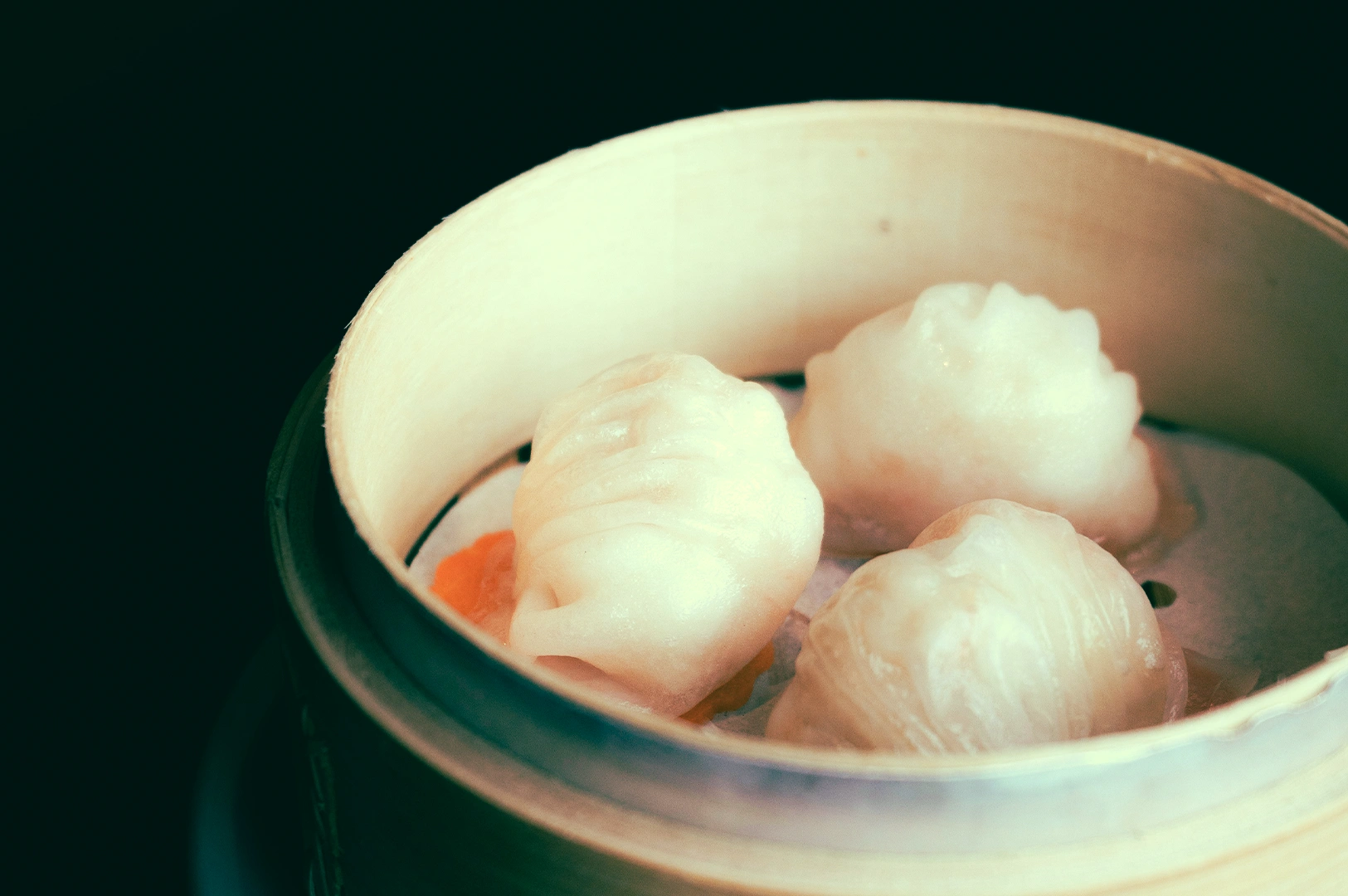
I ordered a mix of classic steamed and fried benchmarks via their digital system to gauge the kitchen’s consistency in delivering high quality dim sum. The Har Gow ($4.20 for 2pcs) arrived first, and it set a very strong baseline. The dumpling skin was impressively executed—translucent and thin, yet firm enough that it didn’t rupture when I grabbed it with my chopsticks. Inside, the shrimp paste was massive and bouncy, delivering a satisfying, clean snap with every bite.
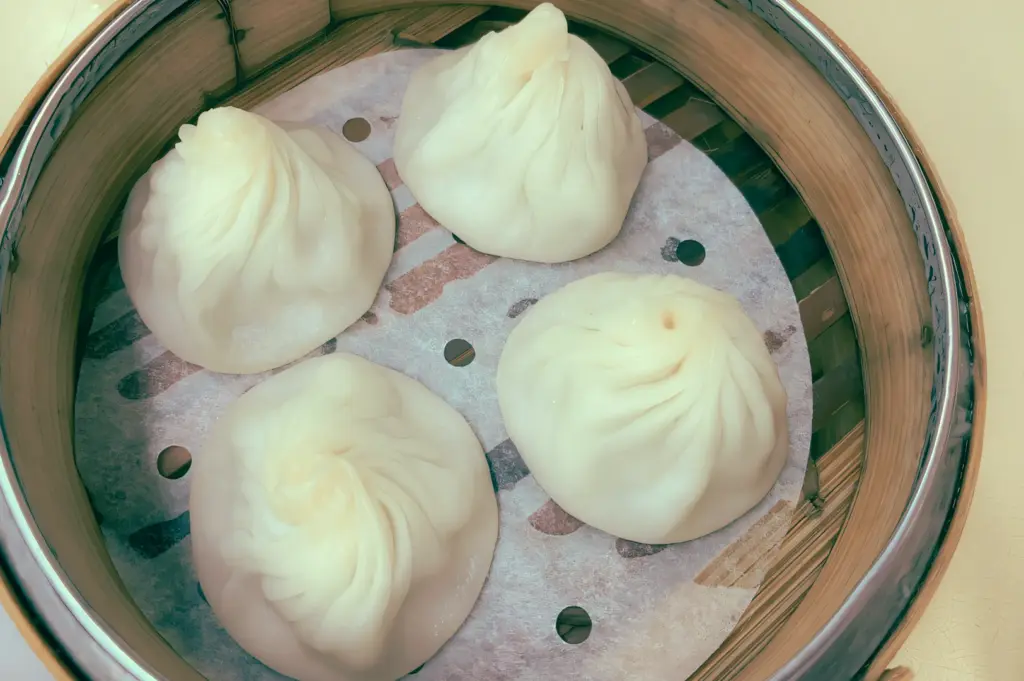
Next, I tried the Shanghai Xiao Long Bao ($6.40 for 4pcs), a highlight among the Shanghai dim sum dishes offered on their extensive menu. Soup dumplings are notoriously tricky to maintain in a high-volume kitchen, but these held up surprisingly well. The wrapper had solid structural integrity, trapping a rich, savory, and piping-hot pocket of pork broth that coated my spoon when punctured.
For some needed crunch, I went with the Beancurd Prawn Roll ($4.80 for 2pcs) and their signature Swee Choon Mee Suah Kueh ($3.80 for 2pcs). The prawn roll came out fresh from the fryer with a beautifully crisp, shattering exterior that contrasted perfectly with the juicy, densely packed prawn meat inside. The Mee Suah Kueh, a deep-fried vermicelli block, was a fascinating texture clash.
Heavier Dishes That Fill You Up Quickly
It featured a great crunchy crust, but the soft, starchy interior was incredibly heavy. The server actually recommended we share the portions when she dropped the plates off—good call, because eating just one piece of that dense kueh easily takes up half your stomach capacity.
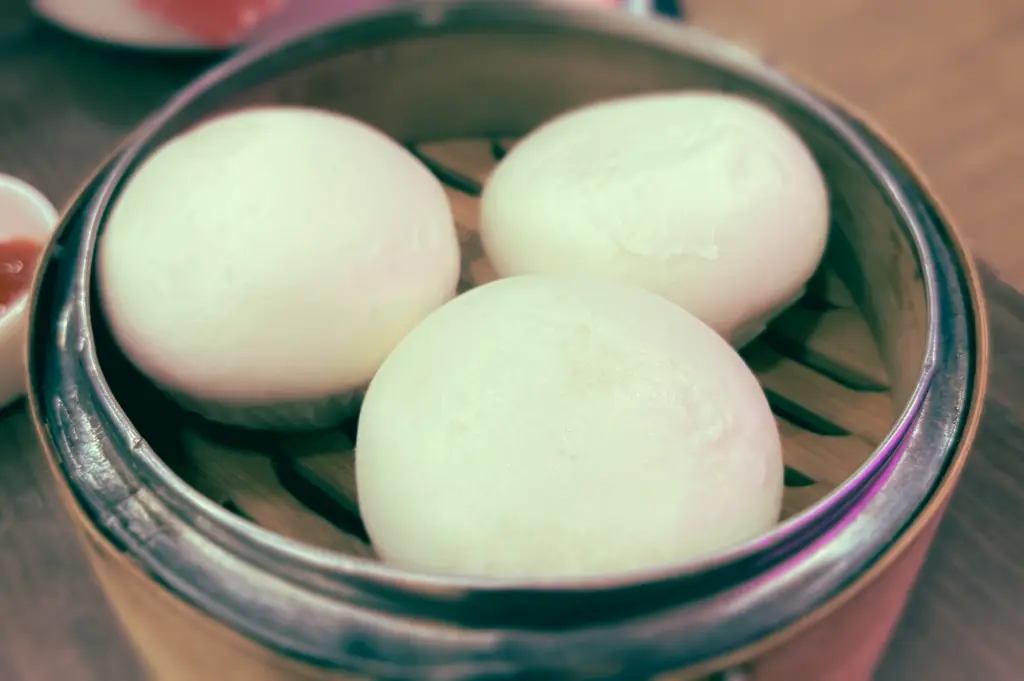
Not everything was a hit, though. I added an order of the Char Siew Bao ($3.20 for 2pcs), and it was frankly underwhelming. The bun itself was a bit too thick, and the filling tasted fairly generic, lacking that distinct roasted smokiness you want from good BBQ pork—a classic Hong Kong dim sum staple.
At this point, it becomes clear that ordering well at Swee Choon makes a noticeable difference to the overall experience. The menu is extensive, but not every item performs at the same level. If you’re planning your first visit or want a more efficient shortlist, we’ve broken down the most consistent picks and what to skip over at thebestdimsum.com.sg, based on repeat visits and direct comparisons across similar dim sum spots in Singapore.
How the Ordering System Works in Practice
The service here is built entirely for speed, not small talk. Staff briskly navigate the narrow aisles, dropping bamboo steamers onto your table and swiftly clearing empty plates without a word. It’s a highly transactional experience, which is honestly exactly what you want when a tim sum restaurant operates at this pace.
When to Visit to Avoid Long Waits
Practically speaking, Swee Choon offers excellent value. My total bill came out to around $22, leaving me completely stuffed. The 15-minute wait at 3:30 PM was a breeze, managed smoothly by a QR code waitlist system at the entrance.
Just be careful with the digital ordering at your table—because most dishes are so cheap, it’s dangerously easy to accidentally order a feast. Also, if you plan to drive, be warned. Street parking along this stretch of Jalan Besar is practically non-existent. Save yourself the headache and just take a Grab.
Does Swee Choon Still Hold Up
Let’s be clear: Swee Choon isn’t a premium dim sum joint, and it doesn’t pretend to be. It’s a supper institution built on three pillars: accessibility, variety, and reliably good food. It’s not the best dim sum you’ll ever eat, but it hits the spot every single time.
Go if: You’re with a group of friends, it’s past 10 PM, and you want to order way too much food without feeling the pinch. It’s perfect for a loud, casual, and satisfying feast.
Don’t go if: You’re trying to impress a date or have a deep, meaningful conversation. The chaotic energy and transactional service are not built for quiet intimacy.