Long before the first bamboo steamer lands on the table at a Singapore yum cha restaurant, before the fragrant scent of roasted pork or steamed shrimp fills the air, there is the hot tea.
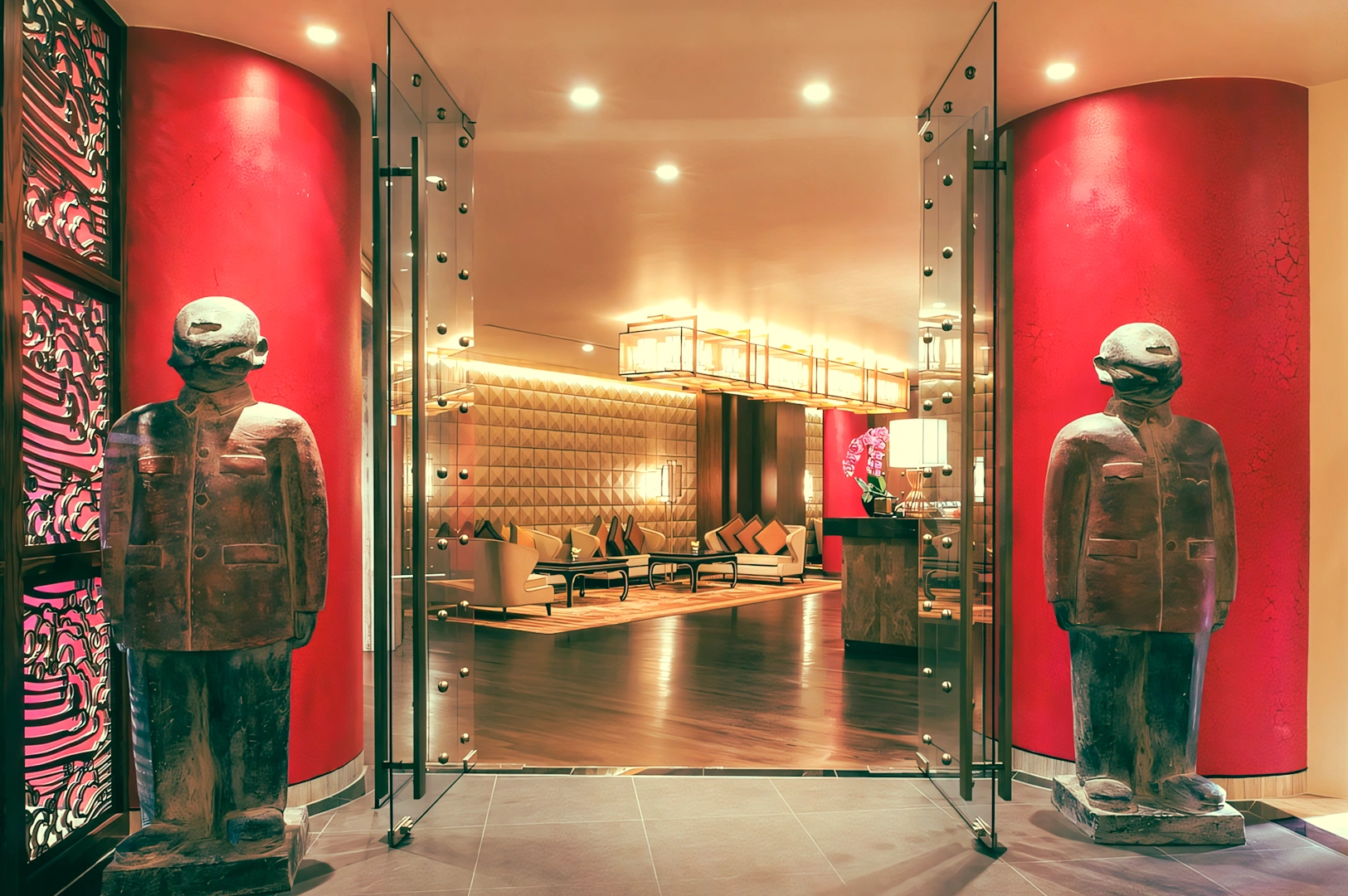
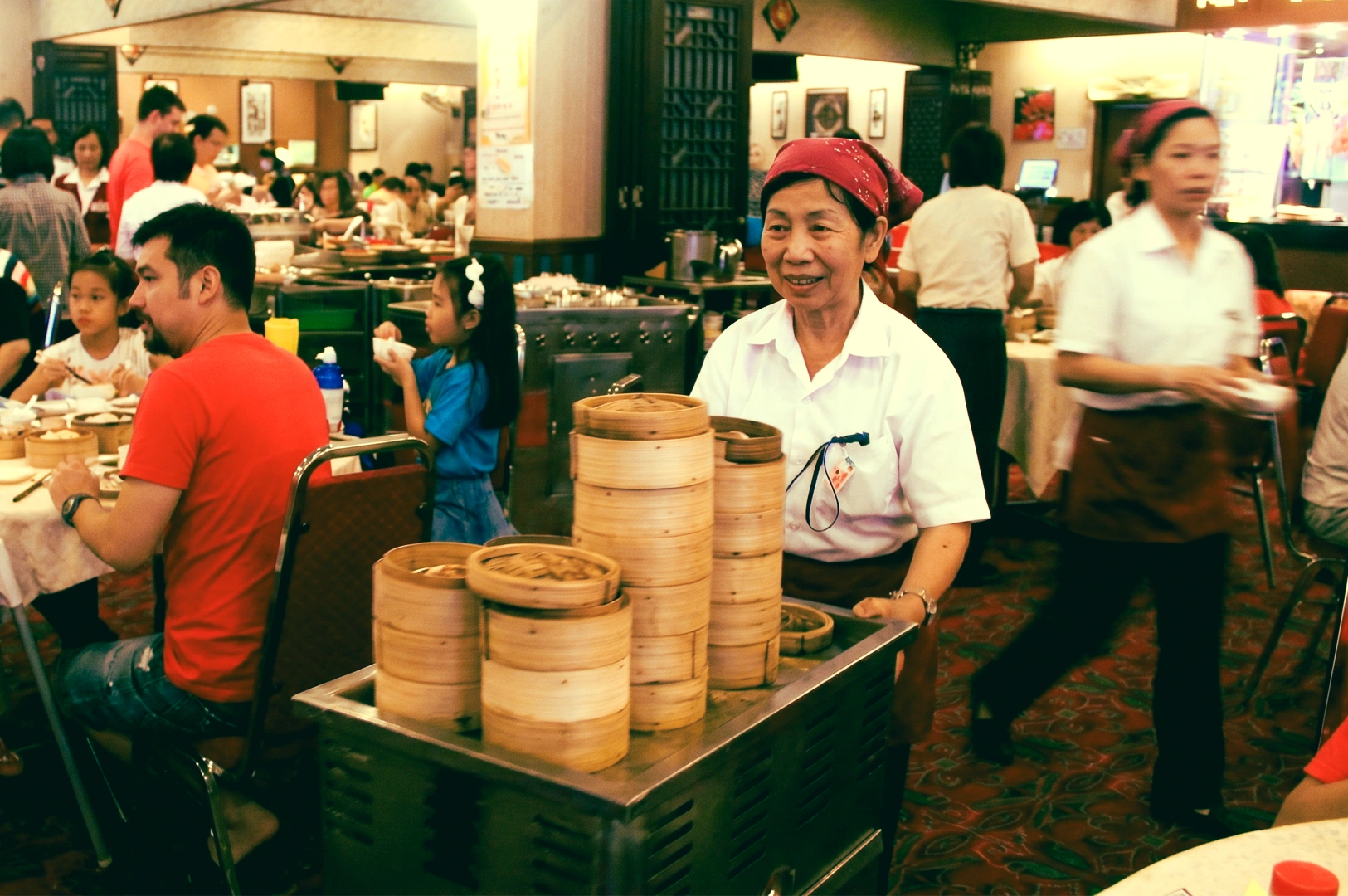
When you step into a bustling yum cha restaurant in Chinatown or at the popular location of 20 Trengganu Street, the sensory experience washes over you all at once. There is the low, comforting hum of conversations among friends and family, the gentle clatter of porcelain spoons against ceramic bowls, and the unmistakable metallic rattle of traditional dim sum carts or push carts navigating narrow aisles. These carts, laden with steaming baskets, invite diners to interactively select dishes tableside, adding a nostalgic and social element to the meal.
Tea as the Foundation of the Yum Cha Meal
As the carts approach, the appearance of the food—gleaming dumplings, golden rolls, and delicate pastries—immediately appeals to the senses, with their vibrant colors and textures setting expectations before the first bite. Yet, the true beginning of the meal is quiet and understated. It starts the moment you sit down, when a crisp, white porcelain pot is set in the center of the table, trailing a wispy ribbon of steam into the air. It is customary to wash your utensils with the first round of tea, and turning the teapot lid over signals to the staff that a refill is needed.
We often think of dim sum as a parade of dumplings, buns, and fried pastries, but the entire yum cha tradition is anchored by the brew in our cups. Understanding the role of tea in yum cha is the key to unlocking the true rhythm of this cherished Cantonese dining experience in Singapore. It is not merely a beverage to wash down food. It is the pacing, the palate cleanser, the social glue, and the very foundation of the meal.
Singapore Yum Cha: The Heartbeat of the Dim Sum Tradition
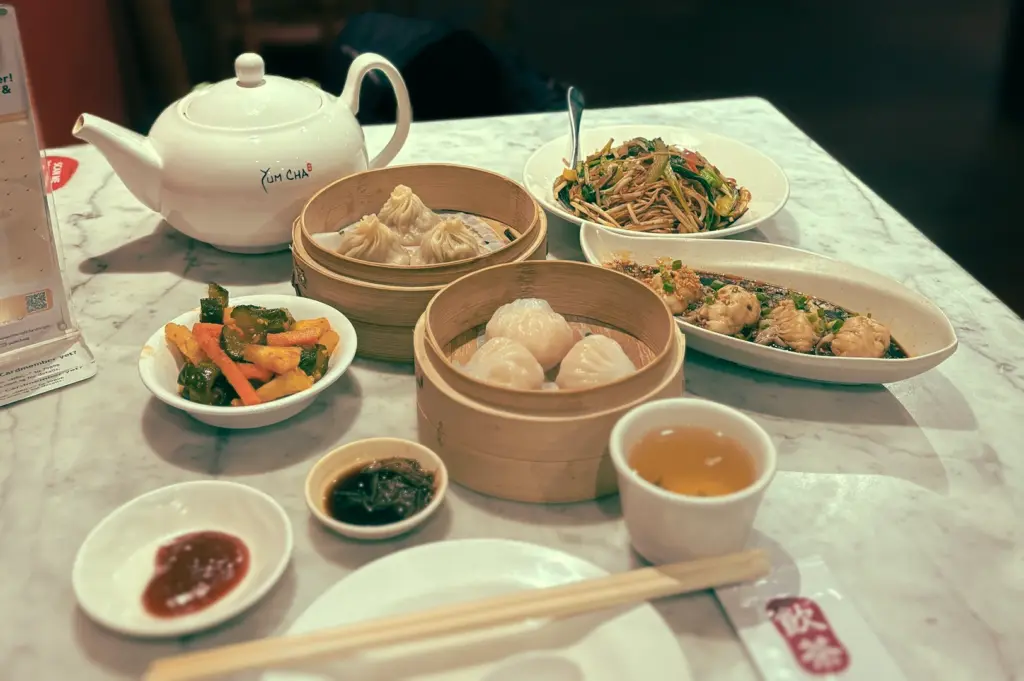
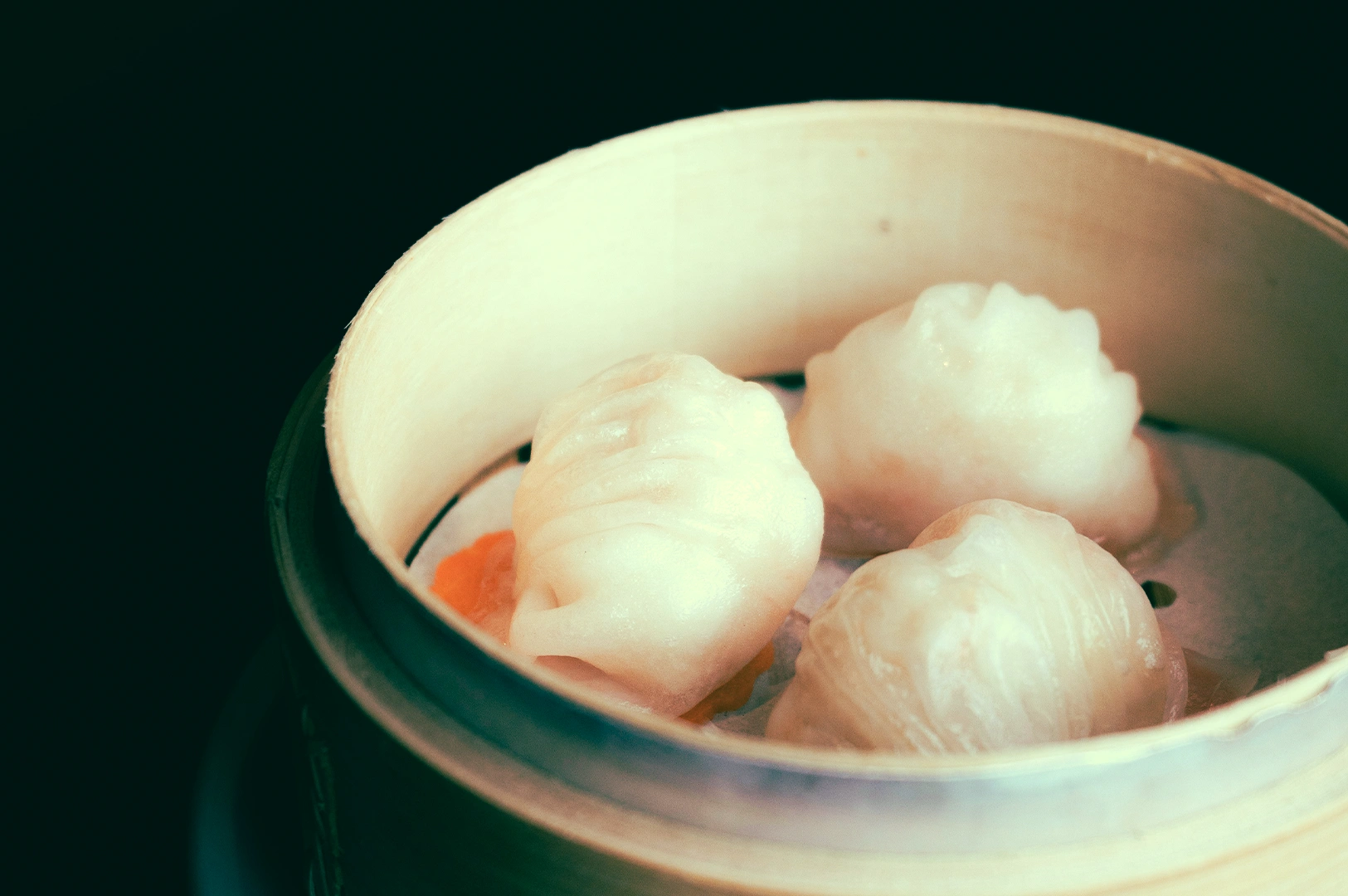
To truly understand the dynamic at play, we only need to look at the name itself. Yum cha translates directly from Cantonese to “drink tea.” The dim sum dishes—the delicate har gow (shrimp dumplings), the savory siew mai, the sweet egg tarts—technically exist to accompany the tea, not the other way around.
For those eager to experience authentic Singapore yum cha firsthand, we invite you to visit The Best Dim Sum. The Best Dim Sum promises an immersive and memorable dining experience that captures the heart of this cherished Cantonese tradition.
Yum cha is traditionally enjoyed with friends and family, typically in groups of three to four people, and serves as a community activity where families and friends gather around circular tables to share food and catch up on weekly news. This cherished ritual fosters closeness among friends and family, often bringing together multiple generations at one table.
Historically, this tradition began in the teahouses of China along the ancient Silk Road. Weary travelers and rural farmers would gather to rest, talk, and drink tea to aid digestion. Small snacks were eventually introduced to keep hunger at bay, slowly evolving into the intricate dim sum menus we recognize today. While the culinary craft of dim sum has reached extraordinary heights, the tea remains the quiet orchestrator of the table.
When we pour that first cup from the pot, we are participating in a ritual that grounds the dining experience. The warmth of the cup in your hand signals that it is time to relax and enjoy the company of loved ones. It transitions you from the rush of the outside world to the shared intimacy of the table.
With an extensive choice of dim sum dishes available, diners have the freedom to choose their favorites, making each yum cha experience unique and tailored to personal preferences.
Dim Sum Dishes and Hot Tea: Leaves and Water Shaping the Meal
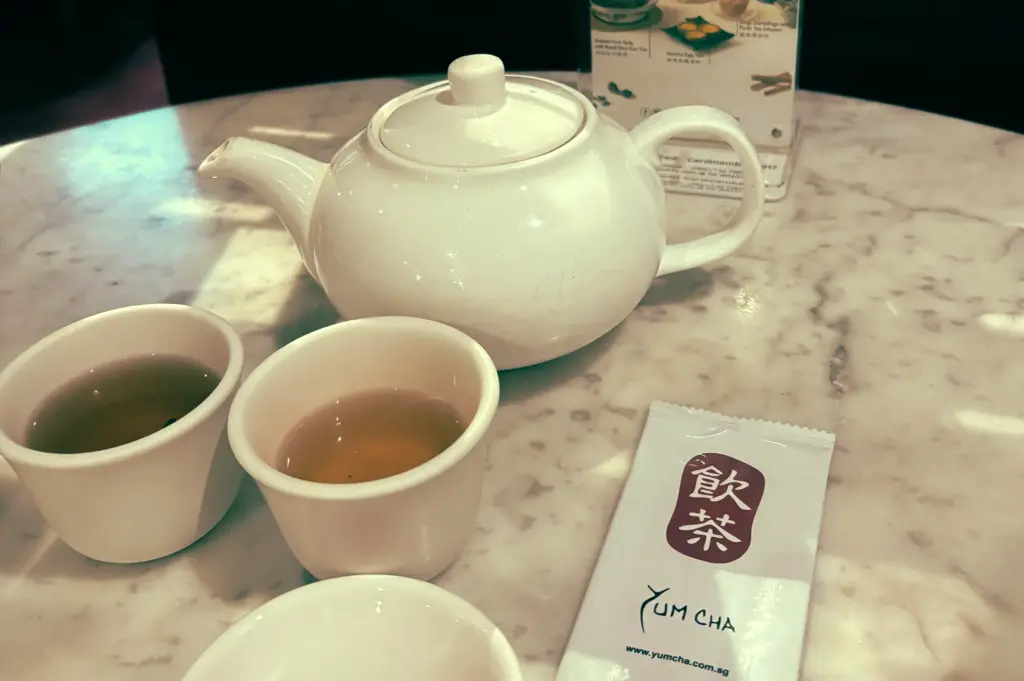
Selecting the right brew shapes the atmosphere of your yum cha meal. The best tea for dim sum depends on what you plan to eat, the time of day—whether lunch or weekends—and the mood of the table. While modern menus might offer extensive selections, a few timeless classics remain the pillars of the traditional teahouse.
Here are the most comforting and common varieties you will encounter at Singapore yum cha restaurants:
Pu-erh (Bo Lei): Dark, inky, and profoundly earthy, pu-erh is the undisputed heavyweight of the dim sum table. It undergoes a unique fermentation process, resulting in a brew that tastes of damp earth and rich wood. It is incredibly effective at cutting through the heavy, rich oils of fried dim sum dishes and roasted meats, making it a beloved digestive aid.
Tie Guan Yin (Iron Goddess of Mercy): A premium oolong tea that strikes a beautiful balance. It pours a golden-amber color and carries a roasted, slightly floral aroma. It is light enough not to overpower delicate seafood, yet robust enough to stand up to savory pork dumplings like siew mai.
Jasmine (Heung Pin): Green tea infused with jasmine blossoms. It is fragrant, delicate, and deeply soothing. Jasmine brings a bright, floral lift to the palate, making it a perfect companion for a lighter, sweeter array of dim sum dishes.
Chrysanthemum (Guk Fa): Often brewed on its own or blended with pu-erh, chrysanthemum flowers produce a pale yellow tea with a mild, honey-like sweetness. It is cooling and gentle, naturally caffeine-free, and often favored by families dining with children or older relatives.
The Dynamic Flow of a Yum Cha Meal at 20 Trengganu Street and Temple Street
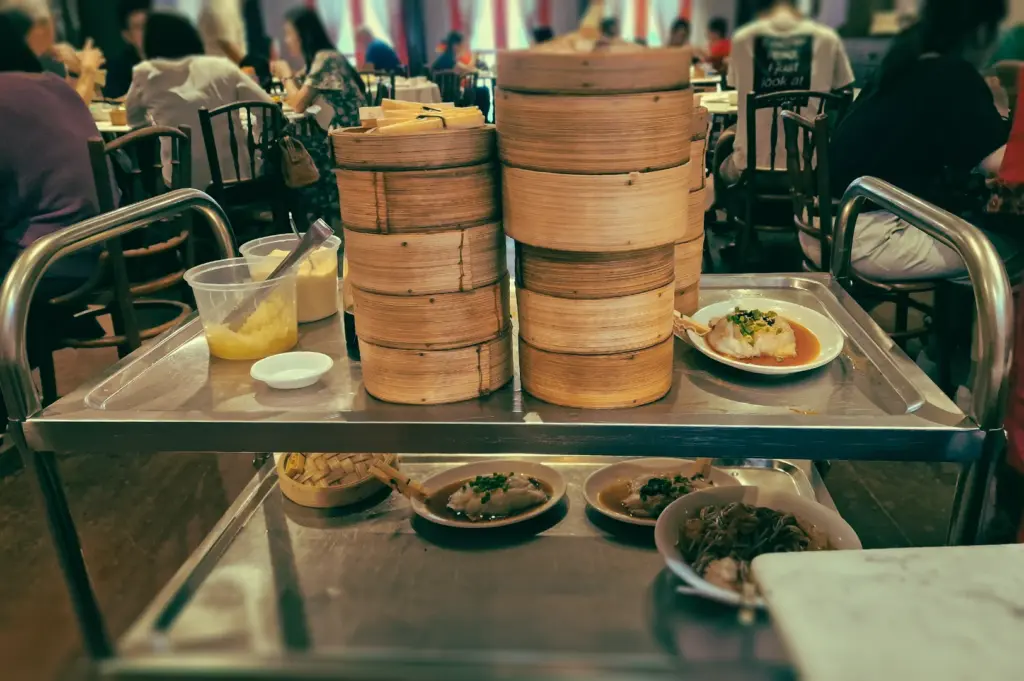
If you observe a table during a yum cha service at popular locations such as 20 Trengganu Street or Temple Street in Singapore, you will notice a distinct ebb and flow. The arrival of food is often filled with excitement. Bamboo steamers are stacked high, plates are shuffled to make room, and chopsticks dart across the table in a joyous, chaotic scramble. The ambiance is vibrant and bustling, with a focus on communal dining—tables are typically set for groups of three to four or more, encouraging lively conversation and shared enjoyment.
Dim sum carts or push carts are rolled between tables, allowing diners to choose from a fresh selection of dim sum dishes shaped and served immediately. The carts are filled with a variety of choices—from xiao long bao to siew mai and congee—each piece offered in bite-sized portions to encourage sharing and sampling a variety of flavors throughout the meal.
During these flurries of eating, tea takes a backseat. But then comes the lull. The gap between the arrival of the steamed pork ribs and the baked barbecue pork buns. In this quiet space, the teapot becomes the center of attention again.
Tea as a Gentle Pause
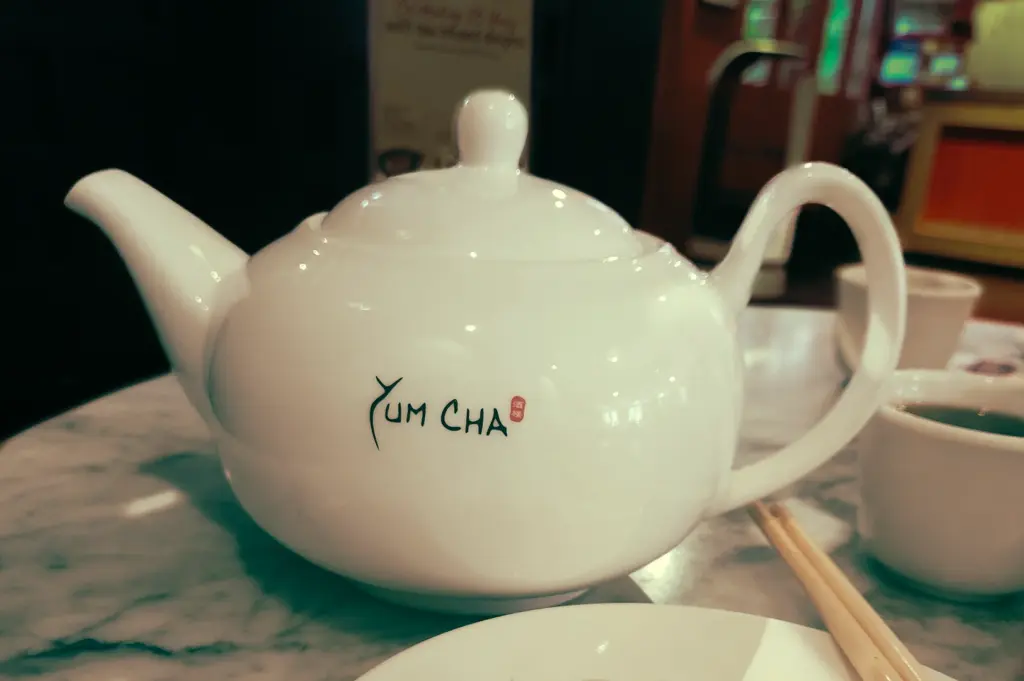
Tea forces us to slow down. It demands to be sipped, not gulped. The heat of the liquid requires patience, naturally extending the duration of the meal. Yum cha encourages diners to linger, sip tea, and enjoy a steady flow of dishes over several hours, which contrasts with the fast-paced nature of many Singaporean meals. This pacing is essential. Without it, a dim sum meal could easily be consumed in twenty rushed minutes.
With it, the experience stretches out over hours, allowing time for digestion, conversation, and the simple pleasure of lingering.
Tea Dictates the Tempo
In this way, tea dictates the tempo. It transforms eating from a biological necessity into a sustained social event.
Unspoken Rituals and Etiquette at Singapore Yum Cha Restaurants
Perhaps the most beautiful aspect of the tea service lies in the quiet choreography it inspires among diners. There is a deep, unspoken etiquette surrounding the teapot that speaks to broader cultural values of respect, care, and communal harmony.
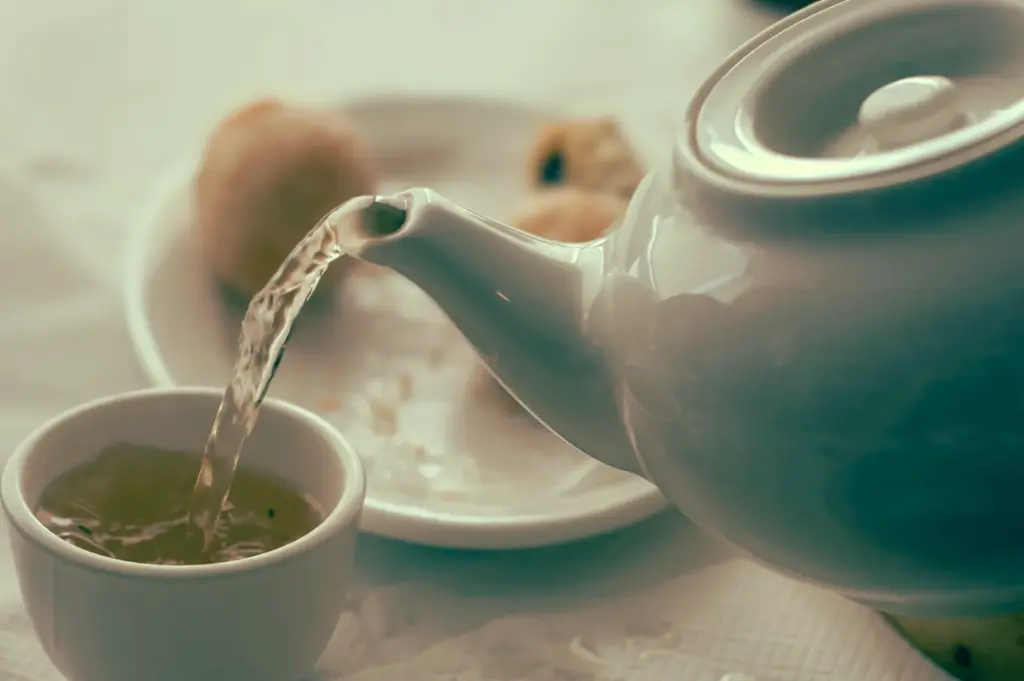
When the tea arrives, it is customary to pour for others at the table before serving yourself, as a sign of respect and care. This means the person closest to the pot will instinctively lift it, filling the cups of their companions—starting with the eldest or most honored guests—before finally pouring their own. It is a subtle gesture of service and humility that sets a tone of mutual care for the meal.
The Finger Tap: A Silent Thank You
As the tea is poured, you will likely see recipients tapping their first two fingers against the table. This is the traditional way to say “thank you“ without interrupting the flow of conversation. Legend suggests this gesture originated during the Qing Dynasty, when an emperor traveled in disguise. When he poured tea for his servants, they could not bow without revealing his identity, so they tapped their fingers on the table to mimic a kneeling bow. Today, it remains a lovely, percussive note in the symphony of the dining room.
When the pot eventually runs dry, there is no need to flag down a server with sweeping gestures. You simply slide the lid back so it rests half-open on the rim of the pot. It is a universal, wordless sign for the server to bring a refill of hot tea.
Yum cha etiquette also means diners should take only one piece of each dish at a time to allow everyone at the table to share and enjoy a variety of flavors, and always offer the last piece to others before taking it for themselves. These gestures—the pouring, the tapping, the tilted lid, and the sharing of dishes—create a shared language among diners. They are the invisible threads that weave the table together and express gratitude and respect.
The Lingering Warmth of the Singapore Yum Cha Experience
As the final plates are cleared and the last few morsels of dessert are shared, the meal inevitably draws to an end. The frantic energy of the dining room continues around you, but at your table, the pace has slowed to a contented crawl.
The teapot is lifted one last time. The final pour is often the deepest in color, the leaves having fully surrendered their essence to the water. As you cup the warm porcelain and take that last, lingering sip, you realize how comforting and soothing the tea felt—its warmth and subtle flavors leaving a lasting impression as your constant companion through the journey of the meal. It welcomed you, paced you, cleansed your palate, and bound your table together in quiet ritual.