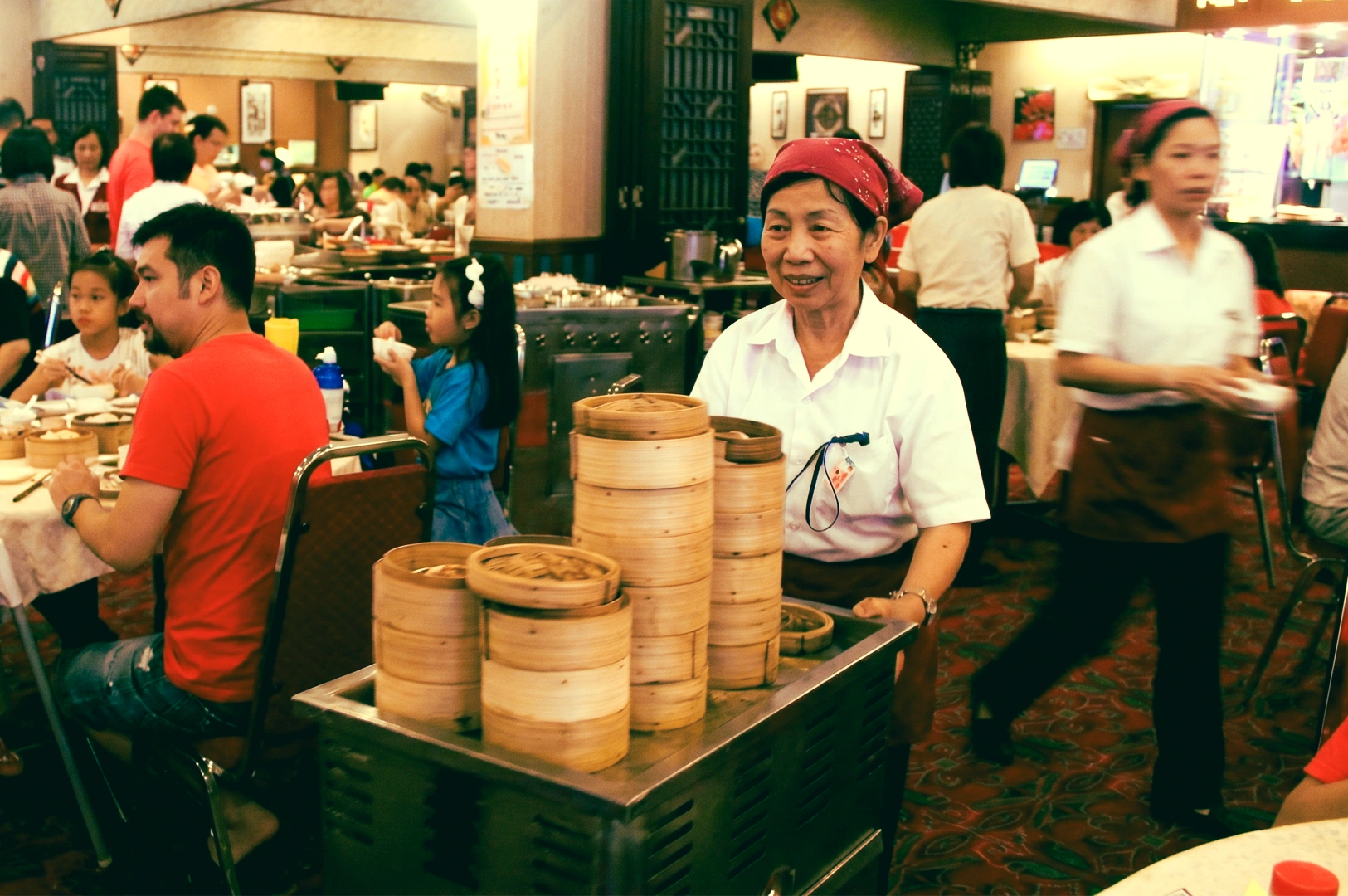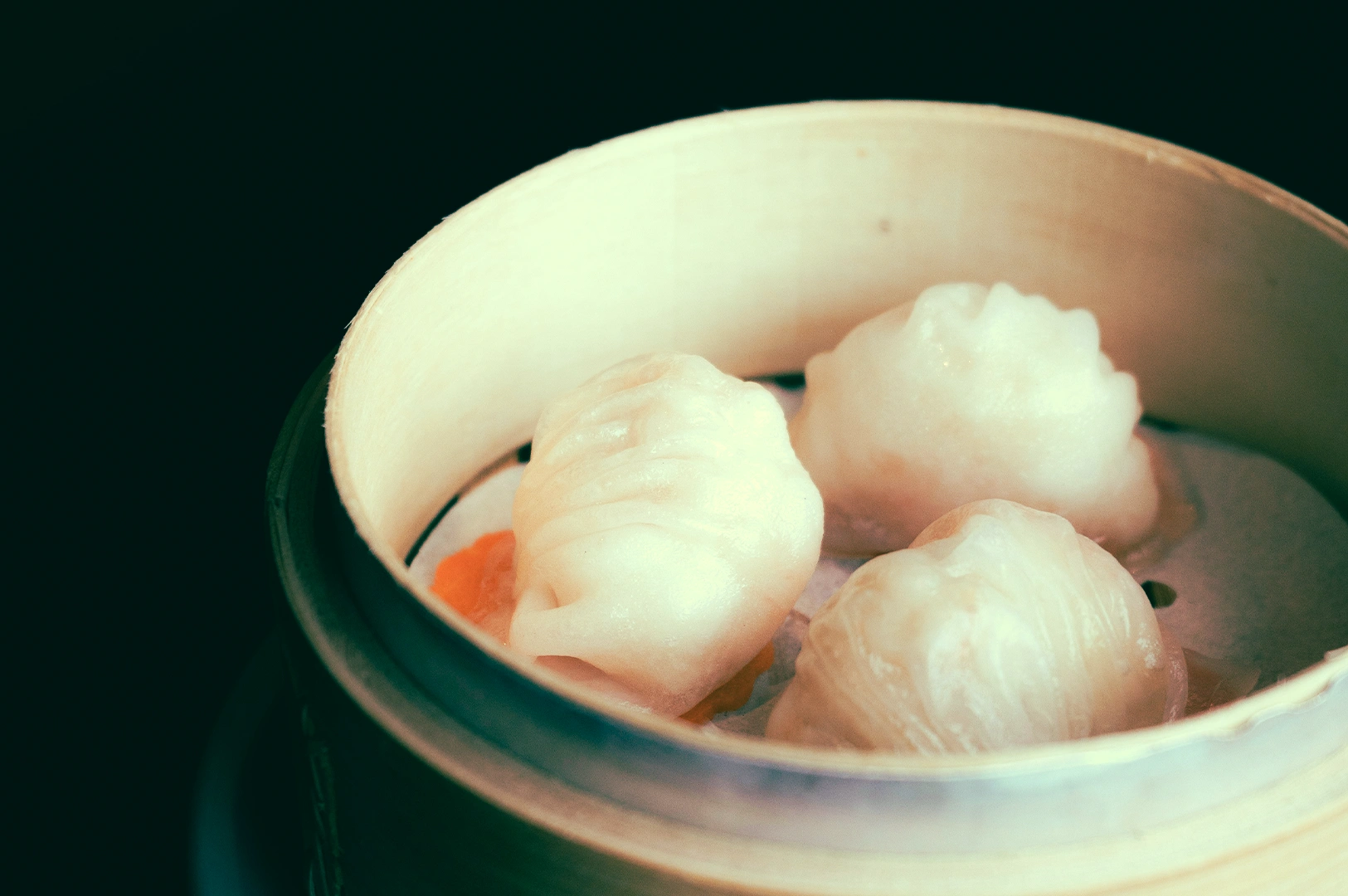
Operating a dim sum restaurant Singapore requires precision and expertise in managing daily restaurant operations. Running a dim sum restaurant introduces an entirely different level of structural complexity compared to standard dining formats. Unlike typical restaurants, dim sum places serve dozens of highly technical, small-format dim sum dishes simultaneously.
Successfully managing a dim sum restaurant demands mastering intricate preparation timelines, overseeing daily restaurant operations, and maintaining strict quality control to ensure food quality and guest experience meet expectations.
What Dim Sum Reveals
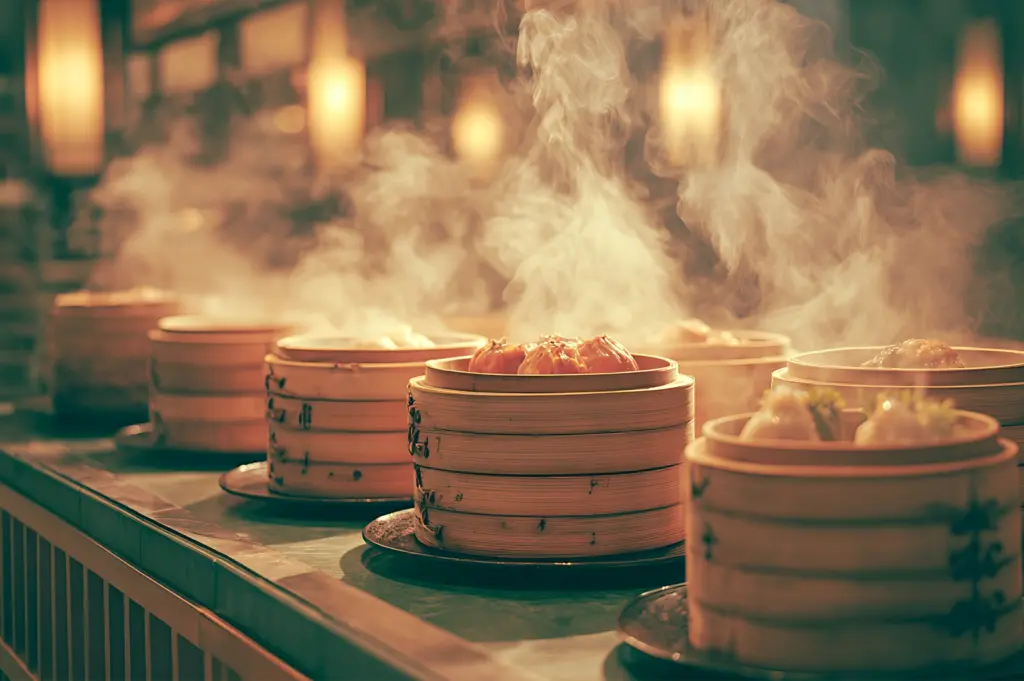
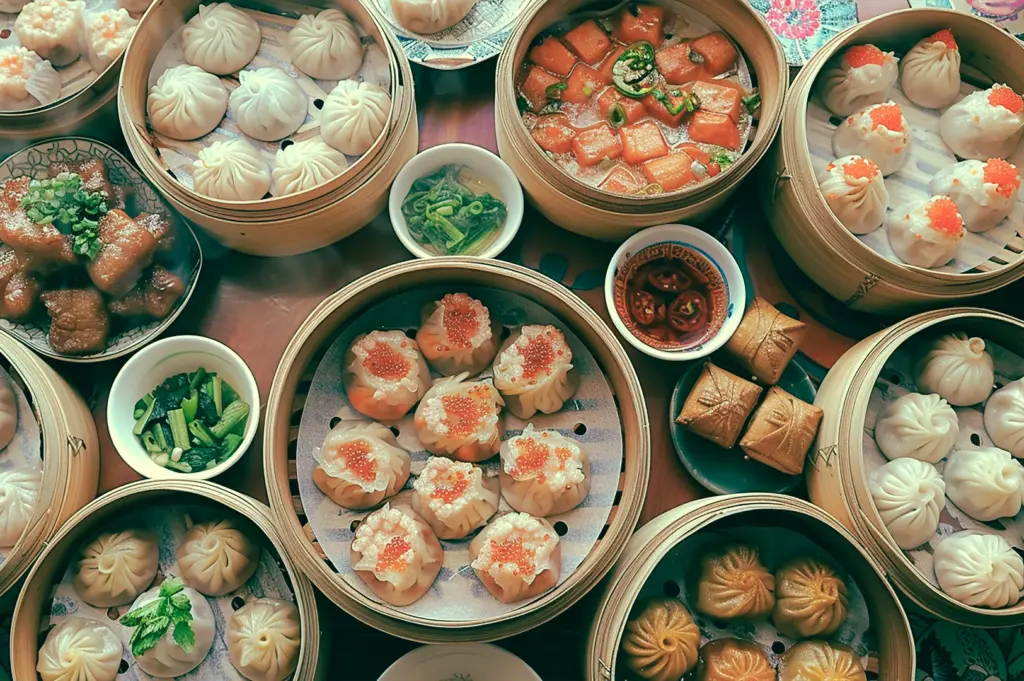
Dim sum is a celebrated tradition in Cantonese cuisine, renowned for its variety of small, flavorful dishes served in steamer baskets or on petite plates. Originating in China, dim sum has become a staple in Chinese communities worldwide, offering diners a unique opportunity to sample a wide array of steamed dumplings, buns, and other delicacies in a single meal.
In a dim sum restaurant, the restaurant manager plays a pivotal role in overseeing daily operations, ensuring that every aspect—from food quality to service—meets the high standards expected in fine dining.
Operations Management in Dim Sum Restaurants
Operations management is essential, as it involves implementing company policies, maintaining rigorous quality control, and orchestrating the workflow to deliver a memorable guest experience. The success of a dim sum restaurant depends on the ability to manage food preparation, staff training, and cost control, all while upholding the authenticity and excellence of Cantonese cuisine.
With a focus on both tradition and innovation, dim sum restaurants strive to create an inviting atmosphere where diners can enjoy expertly crafted dishes and attentive service.
Why Dim Sum Operations Management Is Structurally Complex
Dim sum kitchens operate differently from Western or standard Asian culinary setups. The complexity arises from the nature of Cantonese cuisine and the dim sum dish variety. Key operational aspects include:
High product variety: A dim sum kitchen often juggles forty to sixty distinct dim sum dishes, including popular items like xiao long bao and long bao, simultaneously.
Labour-intensive preparation: Each dim sum dish requires manual assembly, from pleating delicate shrimp dumplings to preparing steamed buns. Automation is limited, so training staff in these specialized skills is essential.
Timing coordination: Steamed, cooked, and fried dishes must be synchronized precisely to serve fresh food within the dim sum restaurant’s opening hours, especially during peak times on weekends and public holidays. Customer spending and operational stress differ between the week and weekends, with average order value (AOV) significantly higher on weekends ($2,500) compared to $1,800 during the week, making it crucial to optimize for these periods.
Consistency across large volumes: Thousands of dumplings and other dim sum dishes must maintain uniform taste, texture, and appearance to satisfy diners and maintain profitability.
Effective capacity management during peak hours is essential for dim sum restaurants, as Saturday peaks can stress kitchen and front-of-house operations with up to 250 covers.
Kitchen Workflow and Daily Operations in a Dim Sum Restaurant
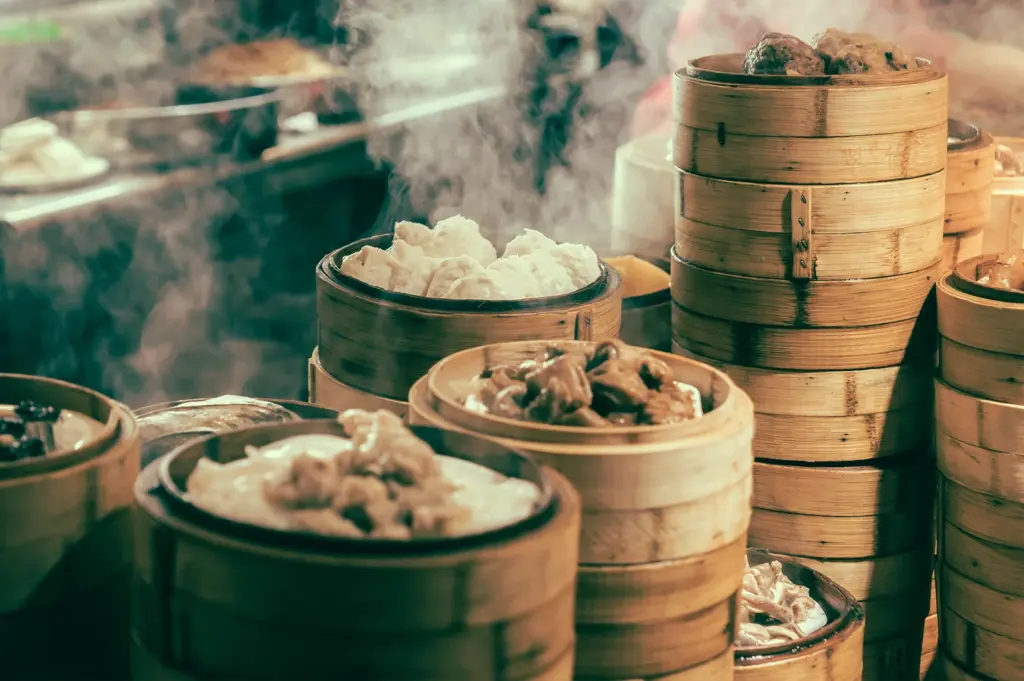
Managing daily operations at a dim sum restaurant involves strict workflow orchestration across multiple cooking stations.
This level of coordination is often reflected in restaurant evaluations on The Best Dim Sum SG, where kitchen workflow efficiency directly influences overall rankings and categorization.
Managing Parallel Cooking Processes and Food Quality
Unlike restaurants that process orders sequentially, dim sum kitchens handle tickets in parallel. The restaurant manager must oversee daily restaurant operations to ensure the steamer, wok, and pastry ovens produce dishes simultaneously. This operations management requires an experienced team to maintain food quality, serve and engage with guests, and consistently meet guest expectations to enhance customer experience and maintain a positive reputation.
Balancing Batch Preparation and Made-to-Order Service
Certain dim sum dishes, such as steamed pork ribs or shrimp dumplings, can be pre-portioned and cooked in batches. Others, like rice noodle rolls, require made-to-order preparation to preserve freshness. Proper menu design and preparation planning help reduce food waste and optimize revenue during busy hours by calculating the average spend per person and ensuring menu specials are priced to meet specific financial targets.
Maintaining Temperature, Freshness, and Beverage Service
Temperature control is critical. Steamed items lose heat quickly, and fried dishes become soggy if not served immediately. Efficient food runners and trained staff help maintain quality and enhance guest experience. Additionally, managing beverage sales, including tea service, contributes to overall profitability and guest satisfaction.
Managing Peak Service Periods and Revenue Optimization
Dim sum restaurants experience concentrated dining during late morning to early afternoon, especially on weekends and public holidays. Restaurant managers must optimize staff scheduling and operations to serve high volumes efficiently, maximizing sales and managing costs.
Skilled Labour, Training, and Management Challenges in Dim Sum Places
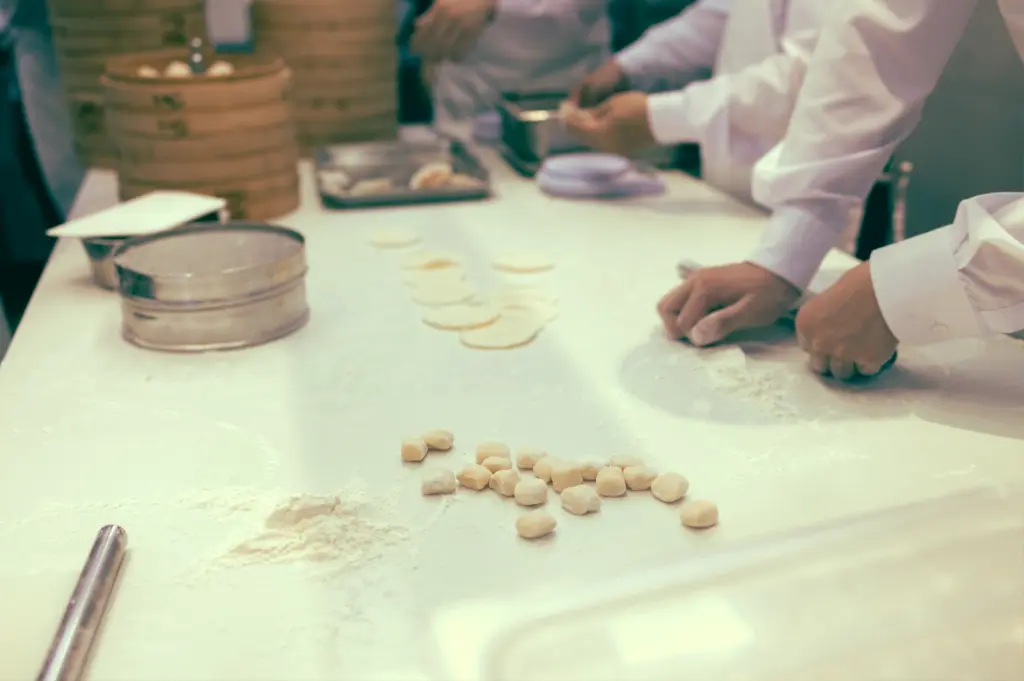
The manual dexterity required for dim sum preparation creates staffing challenges in Singapore’s F&B industry.
Specialized skills training: Wrapping shrimp dumplings or preparing xiao long bao demands years of practice. For many jobs in a dim sum restaurant, being familiar with POS systems and basic reporting tools is essential for both staff and management roles. The restaurant manager plays a key role in training staff and implementing company policies to maintain standards.
Labour shortages: Recruiting and retaining skilled chefs and front-of-house team members is difficult due to the physical demands and skill requirements. However, these challenges also create job opportunities in restaurant management and hospitality careers, where responsibilities include overseeing operations, staff development, and ensuring high service standards.
Operations management: Effective management ensures smooth daily restaurant operations, from scheduling to quality control and guest service.
Cost Structure, Profitability, and Financial Management
Running a dim sum restaurant requires balancing high ingredient costs with pricing expectations.
Ingredient costs: Premium seafood, pork, and specialized starches impact cost. Frozen items may be used to manage expenses without compromising quality. Small reductions in operational expenses or shifting to direct sales generate real money that improves profitability and cash reserves.
Labour costs: The intensive preparation process increases pay and staffing expenses, requiring efficient operations management to maintain profitability. Controlling high fixed labor and rent costs, which can average around $40,867 per month, is crucial to maintain high operating margins and target 30% EBITDA in Year 1.
Rent and location: Dim sum places in high-traffic areas like Chinatown face high rent, influencing overall cost structure.
Revenue management: Optimizing menu design, beverage sales, and table turnover improves profit margins. Each dollar spent on higher-margin beverage items directly improves overall profitability and contribution margin.
Effective cost management in dim sum restaurants requires strict control over inventory burn rate and supplier relationships to reduce food and beverage costs, aiming for a target of 95% cost of goods sold (COGS) by 2027. Increasing the beverage sales mix by just 2 percentage points can immediately improve profitability, as beverages typically have lower COGS compared to food items.
Dim sum restaurants should actively negotiate supplier terms and manage inventory to reduce food and beverage costs, targeting 95% COGS. To enhance profitability, shifting online orders from third-party platforms to direct channels reduces the 15% fees associated with external apps and improves net revenue retention.
Service Model and Guest Experience in Dim Sum Restaurants
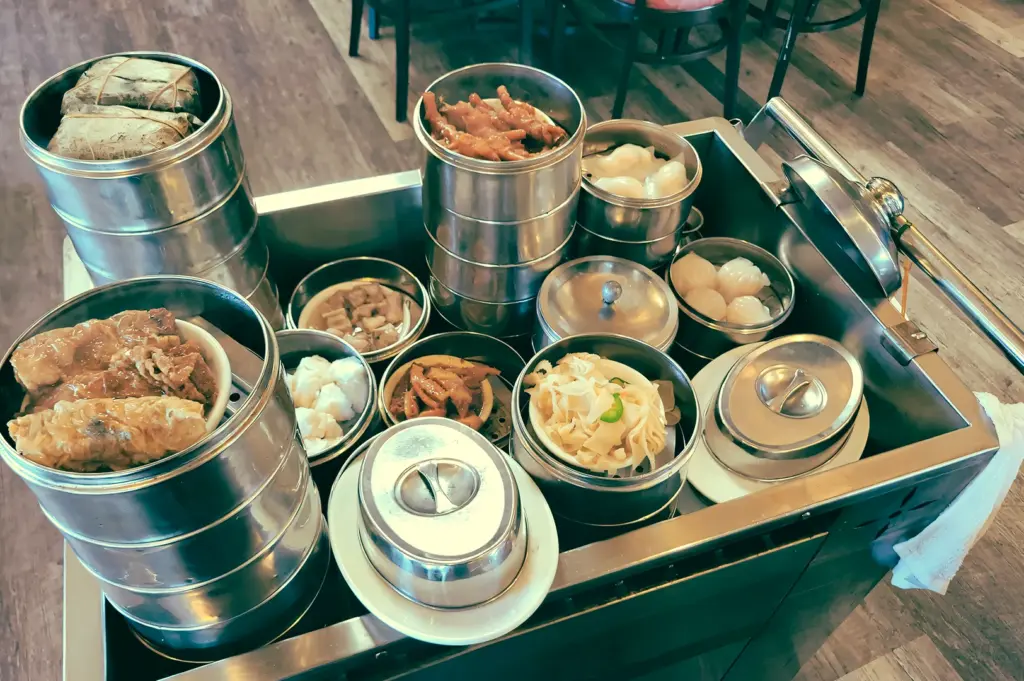
Different service models impact operations and guest satisfaction.
Pushcart service: Offers interactive dining but can compromise food quality due to prolonged holding times.
À la carte: Ensures freshly cooked dishes but requires precise operations to manage order flow.
Buffet: Maximizes speed but generates food waste and quality challenges.
Restaurant managers must oversee these service aspects to balance guest experience and operational efficiency.
Marketing and Promotion Strategies for Dim Sum Restaurants
In Singapore’s vibrant food scene, effective marketing and promotion are crucial for a dim sum restaurant to stand out and attract a steady stream of customers. Leveraging digital platforms such as social media and email marketing allows restaurants to showcase their signature dishes, promote special offers, and engage directly with diners. Loyalty programs and limited-time promotions, like happy hour deals, can incentivize repeat visits and boost sales during off-peak hours.
Collaborating with food bloggers and influencers helps build credibility and reach new audiences, while positive reviews and word-of-mouth recommendations reinforce the restaurant’s reputation for quality. By combining these strategies, dim sum restaurants can increase their visibility, drive sales, and cultivate a loyal customer base, all while maintaining a focus on delivering exceptional food and service.
Maintaining Quality Control and Consistency
Consistency is vital for repeat business. The restaurant manager must enforce company policies and quality control measures to ensure each dim sum dish meets standards, especially during busy service hours.
Technology and Innovation in Dim Sum Restaurant Operations
Embracing technology and innovation is increasingly important for dim sum restaurants seeking to enhance efficiency and elevate the guest experience. Modern point-of-sale systems and online ordering platforms streamline daily operations, making it easier to manage orders, track sales, and deliver prompt service. Data analytics tools provide valuable insights into customer preferences and menu performance, enabling restaurant managers to make informed decisions about menu updates and marketing strategies.
Innovative kitchen technologies, such as automated steamers or robotic assistants, can improve the consistency and speed of food preparation, ensuring that each dish meets the restaurant’s high standards. By integrating technology into their operations, dim sum restaurants can reduce costs, improve service quality, and create a memorable dining experience that keeps customers coming back.
Adapting to Changing Dining Trends in Singapore’s Dim Sum Scene
Modern diners expect a blend of traditional Cantonese cuisine and innovative dim sum dishes, including sweet options and premium ingredients. Digital ordering systems and menu updates help dim sum restaurants stay competitive and enhance guest experience.
Conclusion
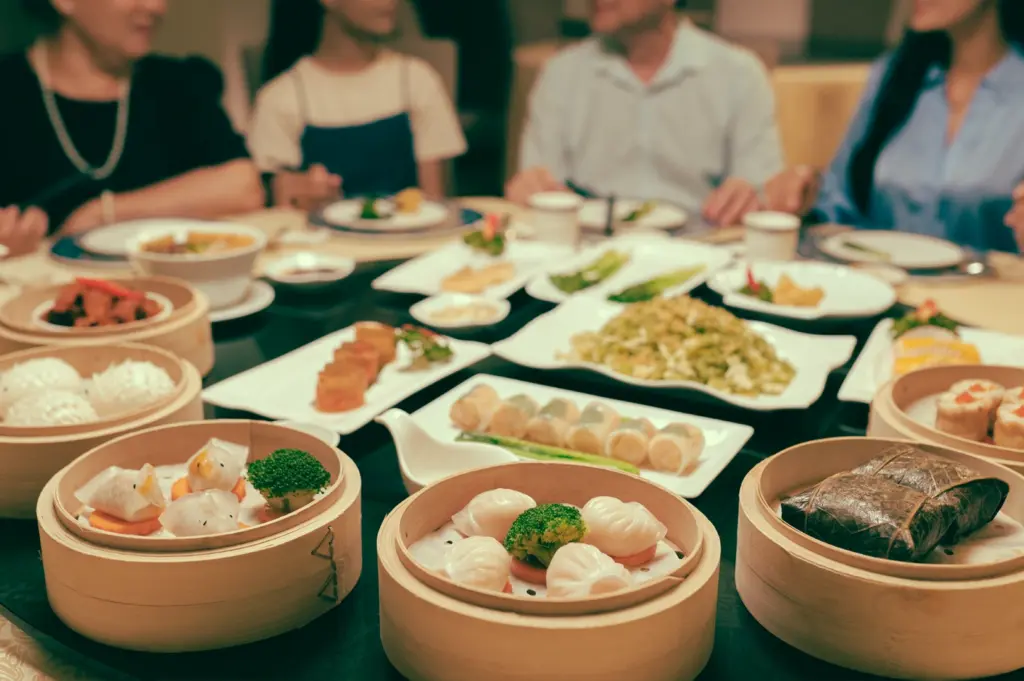
Managing a dim sum restaurant Singapore involves complex operations management, from overseeing daily restaurant operations to ensuring food quality and profitability. The restaurant manager’s role is critical in training staff, implementing company policies, and optimizing all aspects of the business to create a successful dim sum place that satisfies diners and sustains revenue growth.
Understanding these operational factors provides a clearer framework for evaluating dim sum restaurants beyond surface-level impressions.
This structured approach is reflected across The Best Dim Sum SG, where restaurants are assessed based on execution, consistency, and service model rather than isolated dining experiences.